

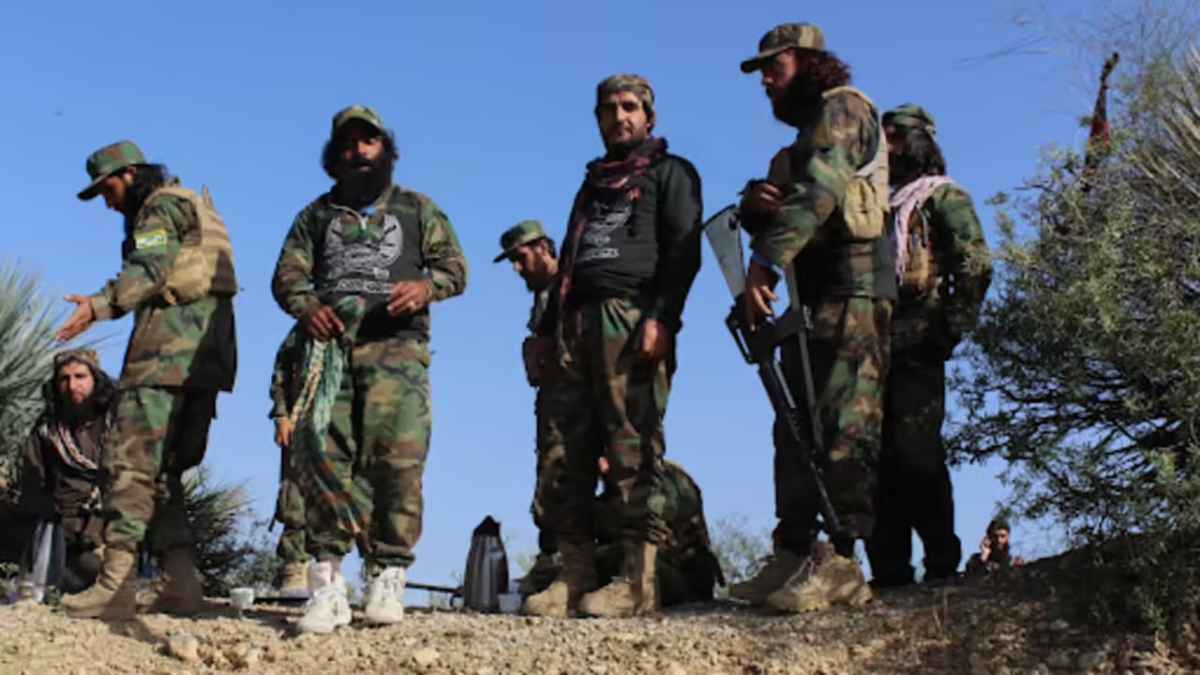
The fragile 48-hour truce between Afghanistan and Pakistan has dramatically collapsed after Pakistan conducted aerial strikes inside Afghan territory late Friday, killing at least 10 people and prompting an immediate, strong condemnation and a vow of retaliation from the Afghan authorities.
Afghan officials, speaking on condition of anonymity, confirmed the air strikes targeted at least three locations in the southeastern province of Paktika, stating unequivocally that Pakistan had “broken the ceasefire.” The 48-hour truce, which began on Wednesday, had briefly halted nearly a week of intense, bloody cross-border clashes that had claimed dozens of lives—troops and civilians alike—on both sides of the disputed Durand Line.
The casualties from the latest strikes were confirmed as civilians. A provincial hospital official reported that 10 civilians were killed and 12 others wounded, with at least two children among the dead. The loss has also rocked the Afghan sports community, with the Afghanistan Cricket Board (ACB) reporting that three local cricketers, who were in the region for a tournament, were tragically killed in the attack. In a mark of protest and mourning, the ACB announced its immediate withdrawal from the upcoming Tri-Nation T20I Series involving Pakistan.
Pakistan’s Justification and Escalating Tensions
In justification of the action, a senior security official in Pakistan confirmed that forces had “conducted precision aerial strikes” in Afghan border areas. Islamabad claimed these strikes were specifically targeting the Hafiz Gul Bahadur Group, a local faction of the Tehreek-e-Taliban Pakistan (TTP), which Islamabad accuses of orchestrating a suicide bombing and gun attack on a military camp in North Waziristan. That attack, which occurred just before the truce was set to expire, left seven Pakistani paramilitary troops dead.
Security issues remain the central point of contention, with Pakistan repeatedly accusing the Afghan government of harbouring TTP militants on its soil, a claim vehemently denied by Kabul. Pakistan’s Defence Minister had earlier accused Kabul of acting as a “proxy of India” and warned that any source of terrorism targeting Pakistan would “have to pay a heavy price.”
The resumption of hostilities has thrown the already fraught diplomatic situation into crisis. The cross-border violence had initially escalated dramatically last Saturday, following explosions in Kabul that coincided with an unprecedented visit by the Afghan Foreign Minister to India. The ensuing fighting led to the temporary ceasefire, though the two sides differed on its duration—Islamabad stated it was a 48-hour halt, while Kabul insisted it would remain in effect until a violation occurred.
Taliban government spokesman Zabihullah Mujahid had previously stated that Afghan forces were ordered not to attack unless Pakistani forces fired first, but the latest strikes have clearly triggered a change in stance. The anonymous senior Taliban official’s warning, “Afghanistan will retaliate,” signals a dangerous return to confrontation, overshadowing international calls for lasting de-escalation. The United Nations Assistance Mission in Afghanistan (UNAMA) had previously called on both sides to bring a lasting end to hostilities, noting that 37 people were killed and 425 wounded on the Afghan side in the violence preceding the truce.