

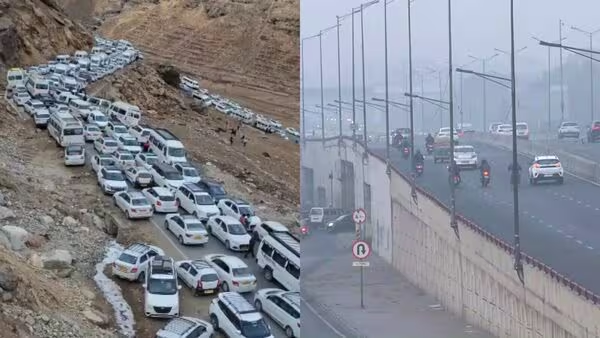
New Delhi, December 17, 2025: A viral video showing long queues of vehicles completely blocking the narrow routes of Rohtang Pass has sparked an intense debate regarding overtourism and environmental sustainability. The footage, shared by user Nikhil Saini on X, captured a 10-kilometer-long traffic snarl in the high-altitude Himalayan region, despite there being no snowfall and no major public holidays. The congestion is widely being attributed to residents from Delhi-NCR attempting to escape the hazardous air quality levels currently gripping the national capital.
Bumper-to-Bumper Gridlock in the Mountains
The viral clip documented hundreds of vehicles, predominantly white tourist taxis, at a standstill on the winding roads of Rohtang Pass. With zero to negligible movement, passengers were observed exiting their cars to walk along the narrow pass, while loud, persistent honking echoed through the valley.
The scene was described by social media users as resembling a busy urban market like “Karol Bagh” or a congested road in Gurgaon, rather than a serene mountain pass. The lack of snow and the absence of a traditional vacation period made the massive volume of traffic even more striking, leading many to question what exactly was pulling such a large number of people to the hills.
Also Read: Ahmedabad Schools on High Alert After Series of Bomb Threat Emails
The “Escape from Delhi AQI” Narrative
The timing of the traffic chaos has been directly linked to the deteriorating air quality in Delhi-NCR, where the Air Quality Index (AQI) has remained in the “Very Poor” and “Severe” categories. On the day the video surfaced, Delhi recorded an AQI of 380, prompting many weary residents to seek temporary relief in the mountains.
Calls for Stricter Tourism Regulation
The viral video has reignited the conversation around the need for sustainable tourism practices in Himachal Pradesh. While the Atal Tunnel was designed to provide a swifter route, many tourists still opt for the scenic Rohtang climb, leading to hours of gridlock.
Netizens reacted with frustration, with one user noting, “The mountains are not calling anyone; they are screaming for help.” There is a growing demand for local authorities to implement stricter caps on tourist entry, enhance permit systems, and improve crowd management to protect the Himalayan ecosystem from being overwhelmed by the fallout of urban pollution crises.