

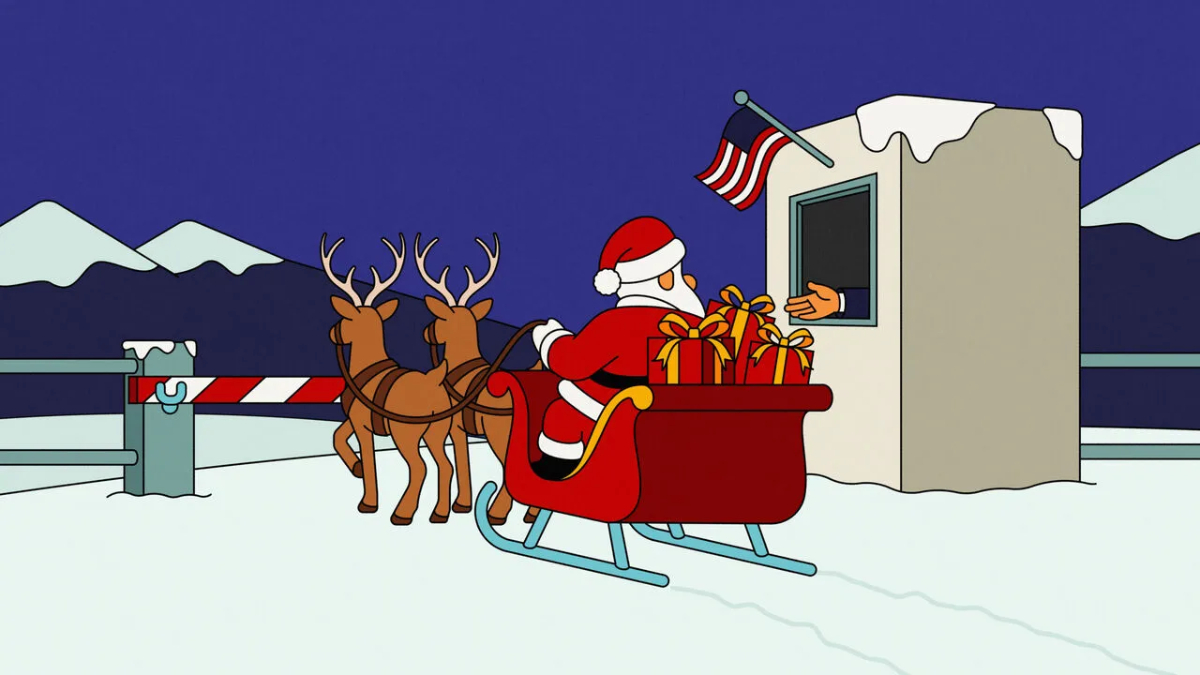
DECEMBER 25, 2025 — As families across America gather to unwrap gifts this morning, the festive atmosphere is tinged with a new economic reality. For months, headlines warned of a “Grinch” at the border: a sweeping regime of import tariffs that threatened to empty shelves and drain bank accounts. While Christmas wasn’t “stolen,” it certainly arrived with a much higher price tag.
The Cost of the Tree and Beyond
The impact of the 2025 trade policies was felt before the first snowflake fell. According to the American Christmas Tree Association, the cost of artificial Christmas trees—80% of which are imported—surged by 10% to 20% this year. Even those who opted for real trees weren’t spared; while the trees themselves are mostly domestic, the lights and ornaments adorning them saw price hikes of up to 67% due to heavy duties on holiday décor.
A Thinner Toy Sack
The toy industry, often considered “recession-proof,” faced its toughest test in decades. With roughly 80% of toys sold in the U.S. originating from China, the new 30% tariff on these imports forced a massive shift in retail.
- The Price Jump: Popular items like action figures and dolls that cost $10 last year were spotted on shelves for $14.99 this season.
- Inventory Shrinkage: Fearing unsold stock at high prices, many retailers did not “front-load” inventory as usual. This led to sparser aisles and the disappearance of niche, innovative toys from small-town boutiques that couldn’t afford the upfront tax.
Tech and Treats: The Hidden Surcharge
The “Holiday Tax” extended deep into electronics and the kitchen. Consumer electronics faced the steepest per-shopper burden, adding an estimated $186 to the average gift budget. Meanwhile, even the Christmas dinner felt the squeeze. Tariffs on imported sugar, European butter, and cocoa drove the price of holiday sweets up by over 5% compared to last year.
“Maybe children will have two dolls instead of thirty,” President Trump remarked earlier this year, dismissing concerns over rising costs. For many middle-class families, that hyperbole became a practical strategy as they trimmed their shopping lists to stay within budget.
How Shoppers Adapted
American consumers proved resilient, if not a bit weary. To save the season, shoppers pivoted to several “survival” strategies:
- Early Bird Advantage: Over 87% of shoppers started in October to lock in pre-surge prices.
- The Rise of “Buy Now, Pay Later”: Credit usage hit record highs as families stretched payments into 2026.
- Prioritizing Experiences: Many families swapped physical gifts for local outings or “IOU” subscriptions to avoid the tariff-heavy electronics aisle.
The Bottom Line
While the administration argues these measures are necessary to revive domestic manufacturing, the immediate result for the 2025 holiday has been a leaner, more expensive celebration. Christmas arrived, but for the average household, it cost an extra $132 per person just to keep the traditions alive.