
,)
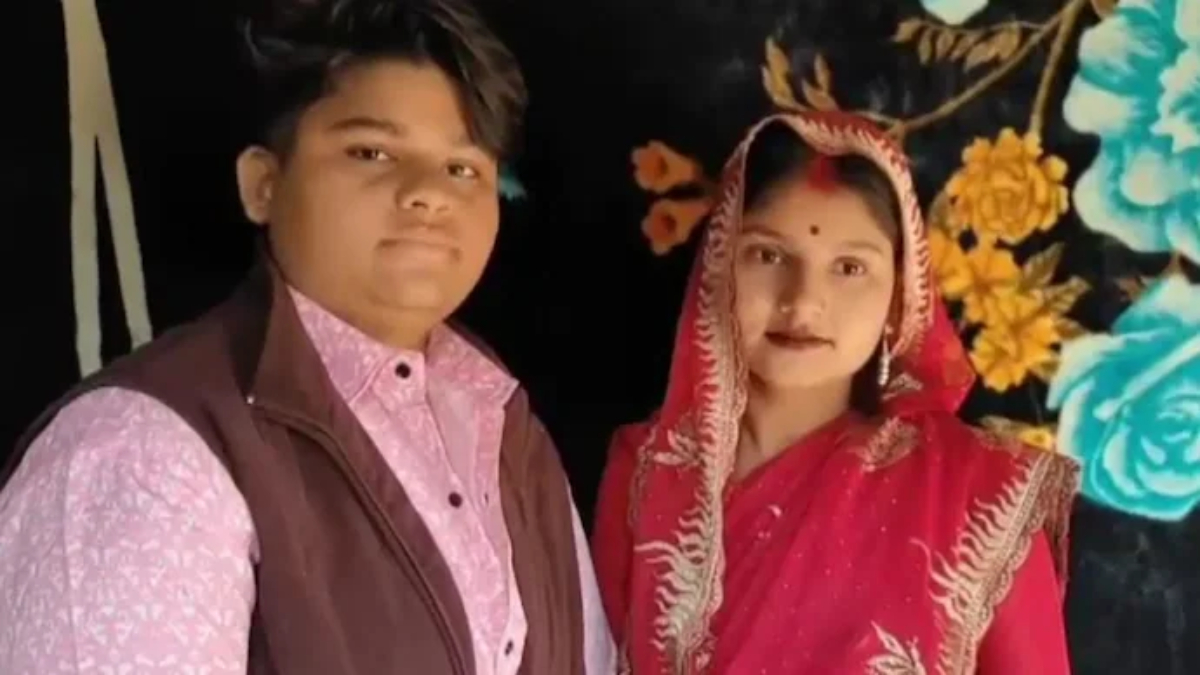
New Delhi, December 30, 2025: In a heartening display of love transcending tradition, a household in Charkhari, Mahoba district (Uttar Pradesh), recently made headlines by welcoming a same-sex bride with the full splendor of Bundelkhandi rituals.
The union between Hema (20) and Pooja (18) has become a symbol of quiet revolution in rural India, proving that acceptance can bloom even in the most conservative soil when rooted in family support.
A Journey from Friendship to Commitment
Hema, who runs a small fruit business in Delhi, had long adopted a masculine lifestyle and appearance. It was during visits to her maternal home in Madhya Pradesh that she met Pooja. What began as a three-year friendship evolved into a deep romantic bond.
Despite the legal complexities surrounding same-sex marriage in India—where the Supreme Court has acknowledged such relationships but has yet to grant them legal marriage status—the couple decided to formalize their bond through a “court marriage” (contractual agreement) in October.
“Muh Dikhai” and Mangal Geet
The most striking part of this story is not the marriage itself, but the homecoming. When the couple arrived at Hema’s village in Mahoba, they weren’t met with hostility, but with Songs, Smiles, and Rituals.
The family organized a traditional welcome that mirrored any heterosexual wedding in the region:
- Traditional Rituals: Hema’s mother, Phoolbati, led the ceremonies, including the Muh Dikhai (the ritual of unveiling the bride’s face) and various post-marriage customs.
- Mangal Geet: The house echoed with celebratory folk songs usually reserved for welcoming a new daughter-in-law.
- Community Kirtan: To mark the auspicious occasion, the family hosted a Kirtan (devotional singing), inviting 30–40 guests from the neighborhood.
“Our happiness lies in the happiness of our children,” stated Phoolbati, Hema’s mother. “We have no objection and support them fully.”
Defying Norms in Bundelkhand
The wedding has sparked widespread discussion across the Bundelkhand region. While same-sex unions are often met with severe social backlash in rural pockets, the Charkhari wedding stands out for its lack of secrecy.
Hema has shared her intention to undergo gender-affirming surgery in the future to live as “Hemant,” but the couple emphasizes that their commitment is to each other, regardless of medical transitions.
A New Chapter
Today, Hema and Pooja are living together openly. Hema continues to support the family through her shop, while Pooja manages their home. Their story serves as a reminder that while the legal halls of Parliament may move slowly, the “rituals of the heart” are already changing the fabric of Indian society, one village at a time.