

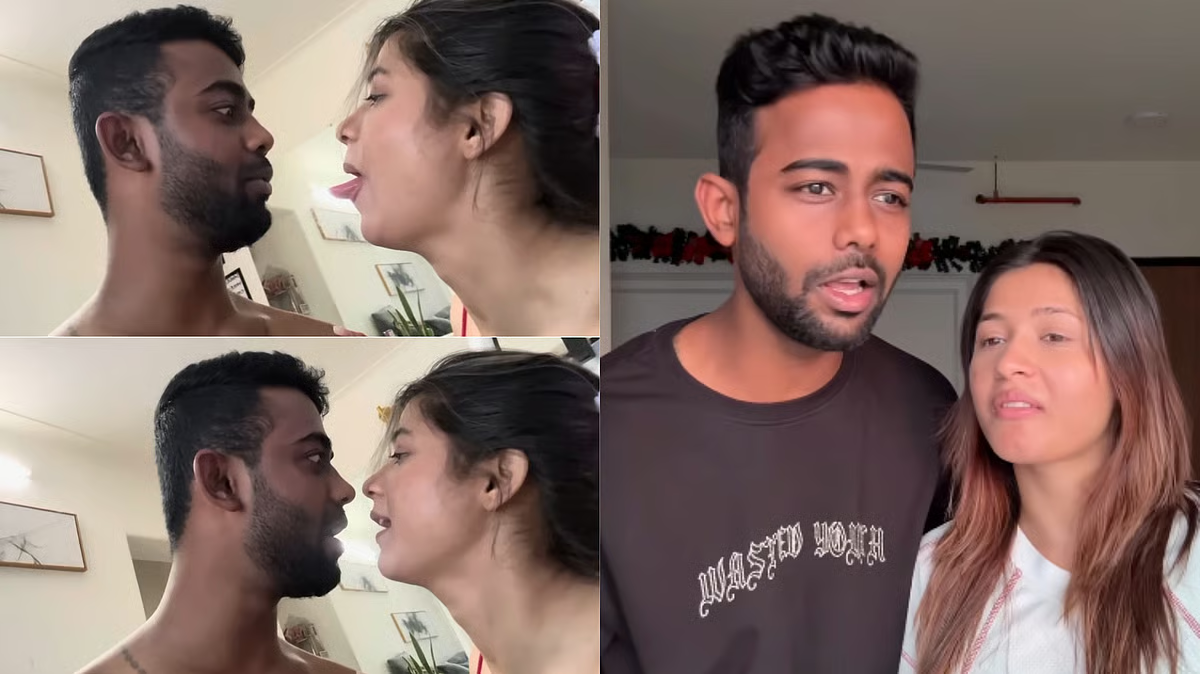
New Delhi, January 3, 2026: A fresh wave of internet speculation was triggered on January 2, 2026, involving Splitsvilla X4 stars Justin D’Cruz and Sakshi Srinivas. A short, informal video clip showing a shirtless Justin chatting with Sakshi began circulating widely on platforms like Instagram and WhatsApp. The footage was observed being labeled by mischievous accounts as a “leaked MMS,” sparking a frenzy among users who began demanding “links” to the alleged full video. The couple was forced to step forward and issue a public clarification, debunking the claims as entirely baseless and fabricated.
Context Stripping: How Vlogs are Weaponized
The viral video has been confirmed as a misleadingly edited segment from one of the couple’s older YouTube vlogs. In their clarification video, Justin and Sakshi expressed deep disappointment over how a casual, harmless moment was stripped of its context to create a “scandalous” narrative. It was noted that the original vlog featured a normal day in their lives, yet the edited snippet was presented as “private footage” to exploit the curiosity of the digital audience. This tactic is being described by experts as a primary method for generating rapid, high-engagement traffic at the cost of an individual’s reputation.
Also Read: The ‘Sir Please’Decoding the New Wave of Digital Misinformation
Decoding ‘Sir Sir Please’ and the Link Trap
The term “Sir Sir Please” is being utilized as a potent psychological hook within this specific misinformation trend. It was observed that many viral posts use distressed audio or sensational captions featuring these words to lure users into clicking external links. These links, which Justin himself checked out of curiosity, often lead to pages with hundreds of thousands of shares but zero actual footage. Instead, these sites are used for financial gain through ad revenue or, more dangerously, as “phishing traps” to harvest user data under the guise of providing a “full leak.”
The Psychology of the MMS Viral Loop
The rapid spread of the Justin-Sakshi rumor highlights a troubling pattern in India’s digital consumption habits in 2026. Justin revealed that the fake links had amassed nearly 2 lakh (200,000) shares, far outpacing the engagement on their actual “quality content.” This “viral loop” is sustained by the public’s search for sensationalism, which cybercriminals exploit to distribute malware. The incident has been compared to previous fake leaks involving influencers like Payal Gaming, serving as a reminder that the “demand for links” directly fuels the creation of more fake, harmful content.
Fostering a Responsible Digital Society
As the controversy settles, the focus has shifted toward the ethical responsibility of social media users. The couple was heard appealing to their fans to “stop spreading this stupidity” and to verify content before reacting. It was remarked by digital watchdogs that “curiosity is being weaponized” by a few to manipulate the many. For the residents of the digital world in 2026, the takeaway from the Justin-Sakshi saga is clear: behind every “leaked link” is often a scam designed to profit from the erosion of privacy and truth.