

New Delhi, january 07, 2026: A recent assessment of water quality in rural Madhya Pradesh has sent shockwaves through the state, revealing that nearly 36.7% of drinking water samples collected from rural households are not potable. This finding effectively means that every third glass of water consumed in rural areas fails basic safety standards, posing a significant risk of waterborne diseases to millions of residents.
The Scale of the Crisis
The data, part of the Union Government’s Functionality Assessment 2024, highlights a deepening crisis in the state’s water supply systems. While the government has made rapid strides under the Jal Jeevan Mission to provide tap connections to over 81 lakh rural families, the quality of the water flowing through those taps remains a major concern.
The report reveals a stark divide in water safety across different districts:
- Total Failure: Districts like Anuppur, Dindori, Panna, Rewa, and Umaria recorded zero potable samples in the survey.
- Low Safety: Gwalior (20.9%), Morena (25.2%), and Damoh (33.5%) also reported critically low levels of safe water.
- Success Stories: Conversely, Alirajpur and Barwani reported 100% availability of potable water among surveyed households.
The “Silent Killer” in the Pipes
The primary culprit behind the unsafe water is bacterial and faecal contamination. In urban-rural fringes, such as the areas around Indore, investigations have found that sewage is frequently mixing with drinking water lines.
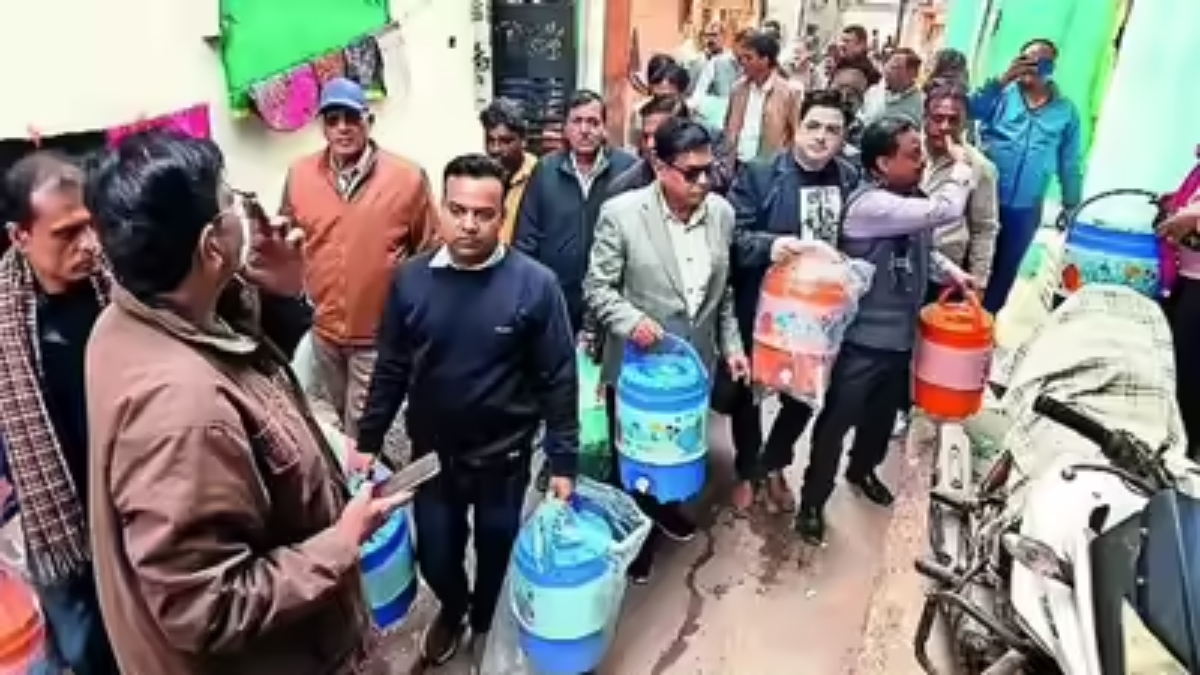
A tragic example of this occurred in early January 2026 in Indore’s Bhagirathpura area, where a diarrhoea outbreak linked to contaminated water claimed at least seven lives (with local reports suggesting up to 17) and hospitalized hundreds. Officials found that a toilet had been constructed directly above a main water line without a septic tank, allowing waste to seep into a loose joint in the pipe.
Government Response and the Road Ahead
The Madhya Pradesh High Court has termed the administration’s response in recent outbreaks as “insensitive” and has summoned the Chief Secretary to address the state-wide problem.
In response, Chief Minister Mohan Yadav has declared water safety a “top priority,” directing officials to:
- Replace old pipelines that run near drains or sewer lines.
- Implement a Standard Operating Procedure (SOP) for immediate water testing if contamination is suspected.
- Expand IoT-based water pressure monitoring to detect leaks in real-time.
While the Jal Jeevan Mission has successfully connected 73% of the state’s rural households to the grid, this latest report is a sobering reminder that a tap in every home is only half the battle; the water inside it must be safe to drink.