

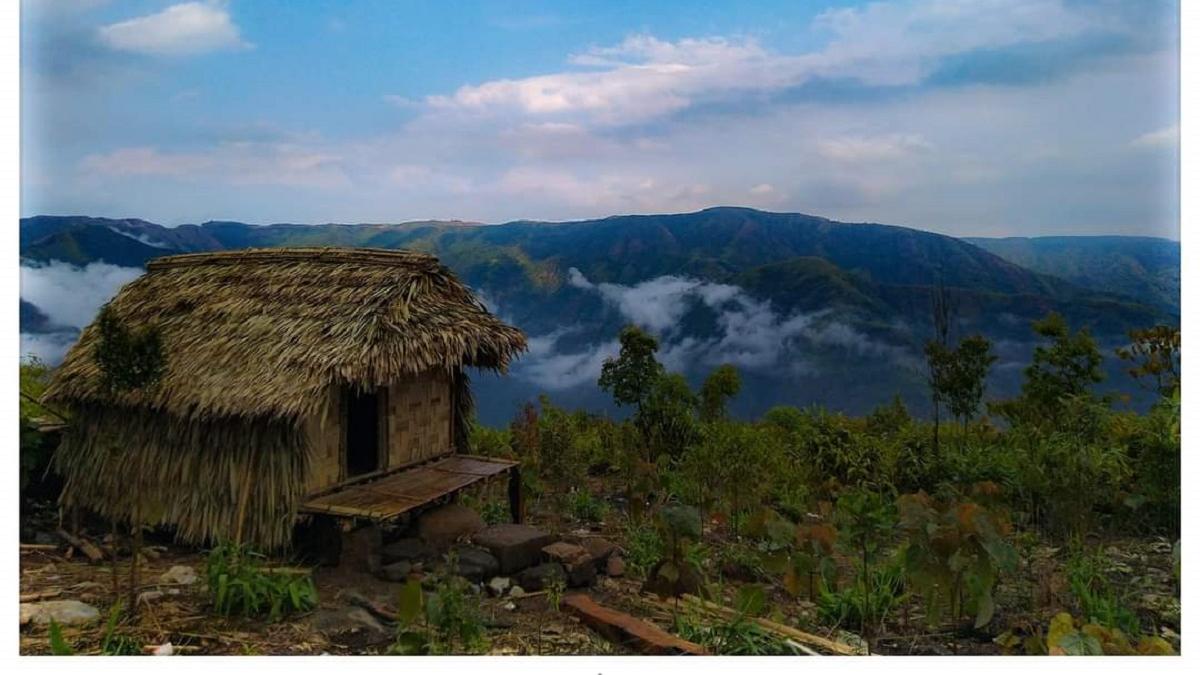
New Delhi, january 13, 2026: High in the mist-shrouded East Khasi Hills, the air doesn’t just carry the scent of betel nut and rain; it carries melodies. In the village of Kongthong, names are not spoken—they are whistled. This ancient tradition, known as Jingrwai Iawbei, has recently gained renewed global attention, even as the community navigates the delicate balance between preservation and the inevitable march of progress in 2026.
A Name That Is a Song
In Kongthong, when a child is born, the mother composes a unique tune, a “musical name” that belongs to that individual alone. This practice, roughly translated as “the song of the first clan lady,” is a tribute to the village’s matrilineal roots.
These tunes are not random; they are often inspired by the sounds of the surrounding nature—the chirping of birds or the rustle of the wind.
- The Long Tune: Lasting up to 30 seconds, these are used to call out across the deep valleys and dense forests, where high-pitched frequencies travel much further than the human voice.
- The Short Tune: A simplified version used affectionately at home or in close proximity.
Global Recognition and the Tourism Surge
The village’s unique cultural fabric has not gone unnoticed. After being nominated for the UNWTO Best Tourism Villages, Kongthong has become a bucket-list destination for “slow travel” enthusiasts. In late 2025, the tradition was a highlight of the Shillong Literary Festival, where Chief Minister Conrad Sangma emphasized the importance of storytelling and indigenous heritage.
To accommodate this interest, the government has invested in infrastructure, including “The Traveler’s Nest,” a community-run initiative featuring traditional Khasi eco-huts. This allows visitors to immerse themselves in the rhythm of village life—watching broom-making (the village’s primary trade) and listening to the constant, melodic communication echoing from the hillsides.
The Challenge of Preservation
Despite the accolades, 2026 brings challenges. Younger generations are increasingly migrating to urban centers like Shillong for higher education and work.
“Our tunes are our identity,” says one local elder. “But when the youth leave, the songs leave with them. We are recording these melodies as ringtones now, using technology to save what technology might otherwise replace.”
Efforts are currently underway to have Jingrwai Iawbei recognized as a UNESCO Intangible Cultural Heritage. Advocates argue that such status is vital to protecting the tradition from being commodified or lost to the digital age.