

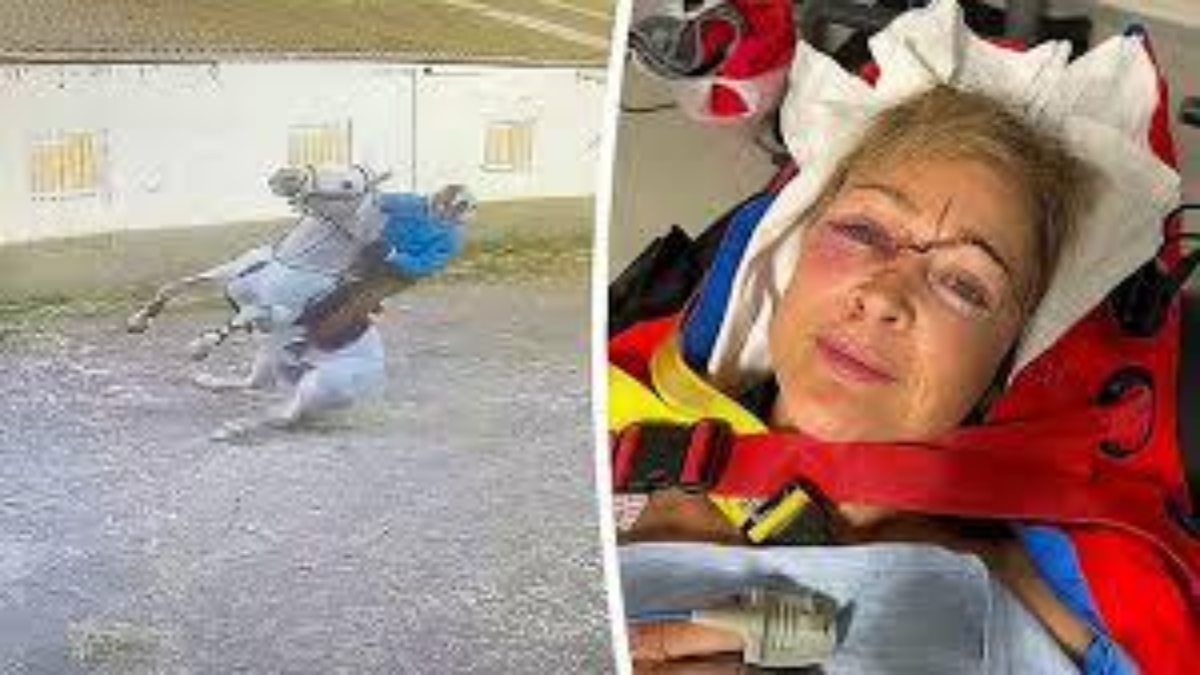
New Delhi, january 21, 2026: In the high-stakes world of international show jumping, riders prepare for every possible variable: the height of the rails, the tightness of the turns, and the roar of the crowd. However, during a recent elite competition, a common city dweller—a pigeon—proved to be the most formidable obstacle of all, leading to a dramatic fall that has the equestrian community talking.
The Incident
The atmosphere at the Grand Prix arena was electric as the veteran rider approached a formidable triple combination. Just as the horse, a seasoned 10-year-old warmblood, was preparing to take off for the second element, a pair of pigeons suddenly fluttered out from beneath the base of a decorative hedge.
The sudden, erratic movement and the sound of beating wings right under the horse’s chest triggered a primal “flight” response. Instead of completing the jump, the horse bucked and swerved mid-air. The sudden shift in momentum sent the rider over the horse’s shoulder, resulting in a heavy fall that left the crowd in a stunned silence.
Recovery and Reaction
Fortunately, both athlete and horse escaped serious injury. The rider was attended to by on-site medics and walked away with only minor bruising, while the horse was caught quickly by arena stewards and cleared by a veterinary team.
“It’s one of those freak accidents you can’t really train for,” the rider commented after the event. “We spend thousands of hours de-sensitizing these horses to flags, music, and applause, but a pigeon flying into your path at 30 miles per hour is something else entirely. It’s a reminder that even the most elite horses are still animals driven by instinct.”
A Growing Concern?
While “bird strikes” are a well-known hazard in aviation, they are becoming a point of discussion in modern arena design. Many indoor and covered stadiums provide perfect nesting spots for pigeons, which can be easily startled by the thundering hooves of a horse.
Experts suggest that riders should focus on “spook-busting” exercises during training, though they admit the unpredictability of a bird is unique.
Common causes of arena “spooks” include:
- Sudden Movement: Birds, dogs, or flapping banners.
- Changing Light: Sharp shadows or camera flashes.
- Acoustic Shocks: Sudden bangs or high-pitched feedback from speakers.
Looking Ahead
The incident has sparked a minor debate on whether competition organizers should do more to humanely deter birds from the rafters and hedges of main arenas. For now, the rider remains undeterred, planning to return to the circuit next week. As the saying goes in the stable: “You can’t control the birds, but you can control how you get back in the saddle.”