

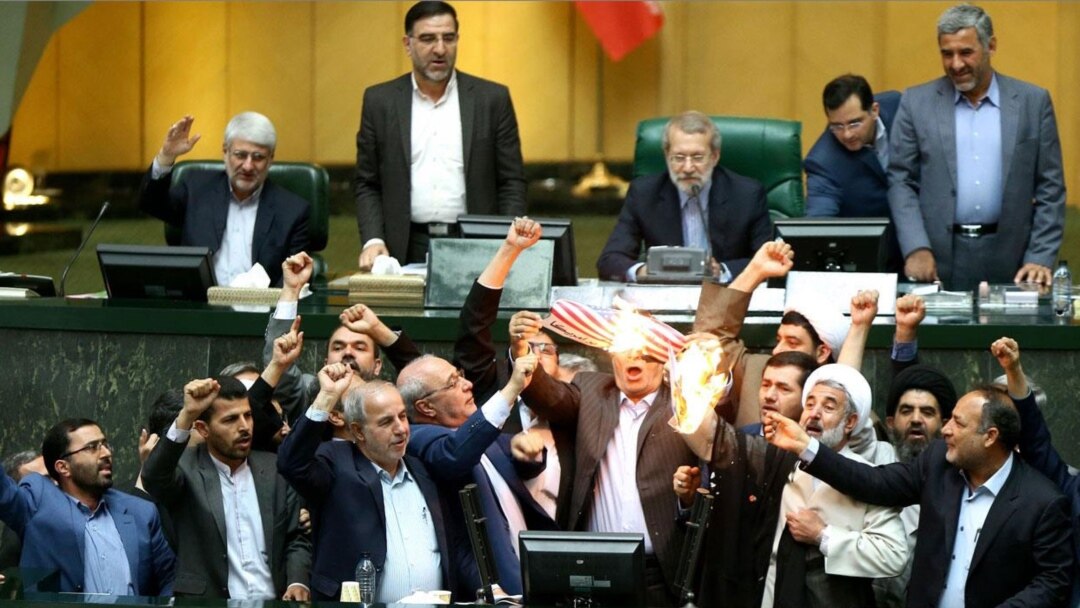
New Delhi, January 23, 2026: A significant wave of misinformation has been triggered across digital platforms following the viral resurfacing of a video depicting the burning of the American flag within the Iranian Parliament. In the footage, which gained massive traction in January 2026, members of the Iranian Majlis are observed setting fire to a paper flag while chanting anti-American slogans. It is noted that the clip is being widely circulated as a “breaking news” event, allegedly occurring in direct response to the most recent escalations in international tensions. However, it is argued by independent fact-checkers that the video is being presented out of context to manipulate public sentiment during a sensitive diplomatic period.
Historical Context and Deceptive Framing
The origins of the controversial footage have been traced back to events that occurred several years ago, specifically in May 2018. It is observed that the original incident took place following the United States’ withdrawal from the Joint Comprehensive Plan of Action (JCPOA), often referred to as the “Iran Nuclear Deal.” During that session, a group of Iranian lawmakers chose to burn a copy of the agreement alongside the US flag as a symbolic gesture of protest. The current circulation of this dated material is being described as a classic case of “mal-information,” where genuine historical footage is repurposed with a false contemporary narrative to incite alarm.
Also Read: Vande Bharat Sleeper’s Pet Box Sparks National Debate
The Mechanism of Viral Misinformation
A massive conversation regarding the speed and impact of unverified content has been ignited by this interaction. It is noted that the video was initially shared by accounts on X and Facebook without any mention of its original date, leading many users to believe it was a live development. The clip was frequently accompanied by sensationalist captions designed to fuel fears of an imminent conflict. It is argued by digital forensic experts that the lack of critical timestamps or watermarks allowed the video to be easily exploited by those seeking to amplify the “fog of war” in the digital age.
Consequences of Decontextualized Content
The impact of this misleading footage on international public perception is being viewed with serious concern by political analysts. It is stated that such videos can negatively influence diplomatic discourse and heighten anxieties among the global public. The viral nature of the clip forced several news organizations and fact-checking wings to issue official clarifications within hours of its peak circulation. It is frequently mentioned that the recirculation of old grievances as current events only serves to deepen existing divides and complicate the efforts of mediators working toward de-escalation in the region.
The Importance of Digital Vigilance
As the video continues to be flagged by social media moderation tools in late January 2026, it serves as a sobering reminder of the importance of source verification. It is believed that the “Iranian Parliament” video will remain a recurring tool for online provocateurs whenever tensions in the Middle East flare up. The legacy of this viral moment is expected to be a renewed emphasis on “media literacy” as a crucial skill for modern internet users. Until the public becomes more adept at identifying recycled content, the digital landscape will remain vulnerable to the shadows of the past being cast as the realities of the present.