

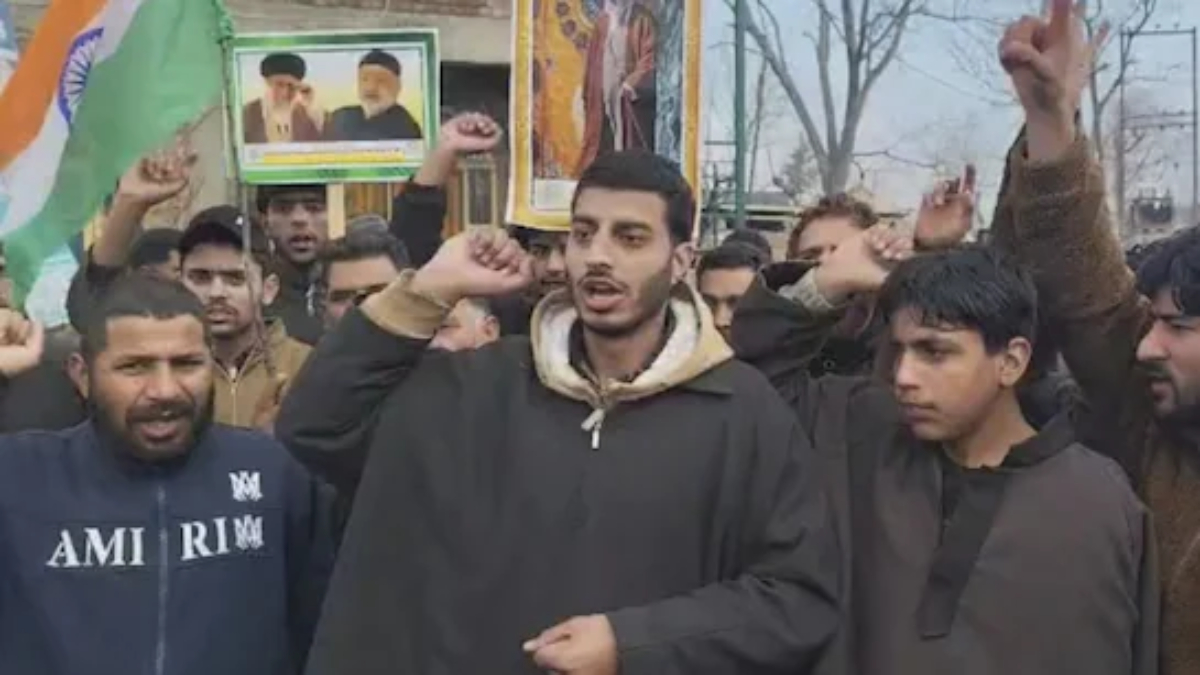
New Delhi, February 10, 2026: The Kashmir Valley was gripped by a wave of intense protests on Saturday, as thousands took to the streets to condemn a devastating suicide bombing that targeted the Khadija Tul Kubra Mosque in Islamabad, Pakistan. The attack, which occurred during Friday prayers on February 6, 2026, left at least 31 worshippers dead and over 169 injured, triggering a rare and fierce public outcry in Indian-administered Kashmir against the Pakistani administration.
Widespread Outrage in the Valley
From the capital city of Srinagar to the border districts of Baramulla and Bandipora, demonstrators—predominantly from the Shia Muslim community—gathered in large numbers to express their grief and anger. The protests were marked by high emotions, with many participants raising anti-Pakistan slogans, an unusual sight in regions that have historically seen different political dynamics.
In Pattan and Magam, hundreds of protesters blocked major highways, including the Srinagar-Baramulla National Highway, causing significant traffic disruptions. Demonstrators carried placards denouncing “sectarian terrorism” and called for the protection of religious minorities in Pakistan.
“What kind of ideology justifies killing people while they are bowing before God?” questioned a protester in Baramulla. “This is not just an attack on a mosque; it is an attack on humanity. The Pakistani state has failed to protect its own citizens from the very monsters it nurtured.”
Religious and Political Leaders Speak Out
The tragedy drew condemnation from across the political and religious spectrum in Jammu and Kashmir.
- Mirwaiz Umar Farooq, Kashmir’s chief cleric, described the bombing as “deeply painful and unsettling,” calling it a moment of reflection for the entire Muslim Ummah.
- Aga Syed Hassan al-Mousavi al-Safvi, President of Anjuman-e-Sharie Shian, termed the assault a “barbaric violation of Islamic tenets” and demanded that the Pakistani government take decisive action against the perpetrators.
- Imran Reza Ansari, a prominent Shia leader and politician, led rallies where participants demanded accountability for the “bloody Friday” massacre.
The Attack: A Grim Friday in Islamabad
The explosion occurred in the Tarlai area of Islamabad. Reports indicate that a suicide bomber, later identified by investigators as a youth from Peshawar who had reportedly received training in Afghanistan, detonated his vest after being intercepted by volunteer security guards at the mosque’s entrance.
The Islamic State (IS) has since claimed responsibility for the attack. In the aftermath, Pakistani authorities have arrested several individuals, including relatives of the alleged bomber, as they attempt to dismantle the network behind the blast.
Regional Implications
The protests in Kashmir highlight a shifting sentiment on the ground, where local populations are increasingly vocal against cross-border instability and sectarian violence. While the valley has dealt with its own decade-long insurgency, the visceral reaction to the Islamabad bombing suggests a deepening frustration with the cycle of violence in the region.
Security in the Kashmir Valley has been beefed up to ensure that the protests remains peaceful. Local authorities noted that while the demonstrations were charged with anger, they concluded without any major incidents of violence within the valley.