

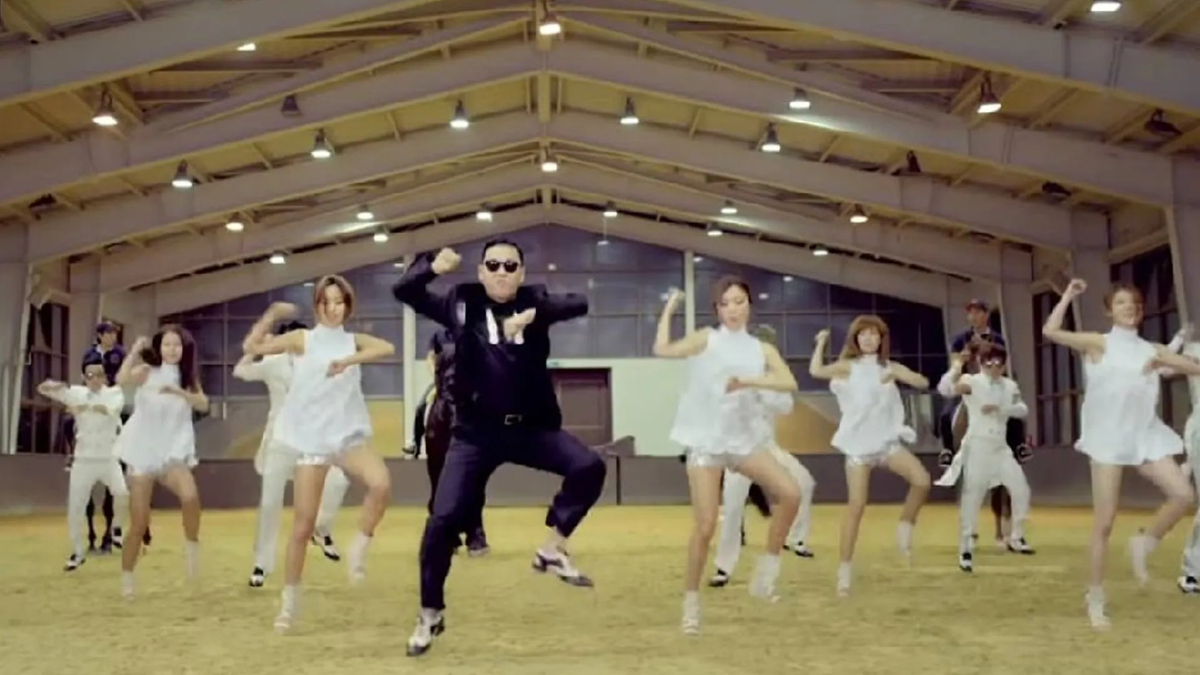
New Delhi, February 12, 2026: For decades, India’s pop-culture landscape was a duopoly of Bollywood’s high-octane drama and Cricket’s stadium-filling passion. But over the last few years, a quiet revolution has shifted the gaze of millions toward the East. From the narrow lanes of Manipur—where the Hallyu Wave first made landfall—to the high-rise apartments of Mumbai and Bengaluru, Korean culture has evolved from a niche obsession into a mainstream lifestyle.
Today, the “Korean Wave” is no longer just about a catchy BTS hook or a binge-worthy drama; it is a multi-billion-dollar ecosystem influencing what Indians eat, how they dress, and how they define beauty.
The “Pandemic Pivot”: From Niche to Necessity
While the Korean wave has been building since the early 2000s in Northeast India, the 2020 lockdowns acted as a massive global catalyst. As audiences exhausted local content libraries, streaming giants like Netflix and Viki became gateways to Seoul.
Data from 2020 revealed a staggering 370% increase in K-drama viewership in India. For many, these shows offered a “soft” alternative to the gritty or hyper-melodramatic tropes of Western and Indian television. Themes of filial piety, slow-burn romance, and societal pressure resonated deeply with Indian sensibilities, creating an emotional bridge that transcended the language barrier.
The K-Pop Phenomenon: More Than Just Music
If K-dramas provided the emotional anchor, K-pop provided the energy. Bands like BTS, BLACKPINK, and Stray Kids have built digital-first fandoms that function like organized communities.
- Identity and Belonging: For Indian Gen Z and Gen Alpha, K-pop isn’t just music; it’s an identity. It offers a sense of belonging through “fandoms” like ARMY or BLINK, where young fans connect over shared values of self-love and resilience.
- The Language Leap: According to language-learning apps like Duolingo, Korean became the fourth most popular language to learn in India by 2023, largely driven by fans wanting to understand lyrics and dialogue without subtitles.
The “Glass Skin” Gold Mine: The K-Beauty Revolution
Perhaps the most visible impact of Hallyu is on the Indian dressing table. The pursuit of “Glass Skin”—a term for skin so hydrated and clear it resembles glass—has fundamentally changed Indian skincare philosophy.
The Indian K-beauty market is on a steep upward trajectory, projected to reach ₹8,500 crore by 2032. Brands like COSRX, Innisfree, and Laneige are now household names, shifting the focus from “covering up” with makeup to “building health” through hydration.
From Ramen to Hanbok: The Lifestyle Integration
The influence has spilled off the screens and into the streets.
- Culinary Craze: Korean food has moved from specialty restaurants to everyday grocery aisles. Instant ramen (like Samyang) and Kimchi are now staples in urban Indian homes. In 2025, food delivery platforms reported a 50% year-on-year growth in Korean food orders.
- Fashion Aesthetics: The “K-style” of oversized silhouettes, pastel palettes, and gender-fluid styling has become the blueprint for Indian streetwear and thrift culture.
A Mindful Future
The rapid adoption of Hallyu has not been without its challenges. Recent discussions among sociologists and mental health experts highlight the rise of parasocial relationships, where young fans form intense emotional bonds with idols. While these connections offer comfort, experts urge a balance between digital fascination and real-world grounding.
As we move through 2026, the Korean Wave in India has matured. It is no longer a “trend” to be monitored; it is a permanent fixture of India’s globalized identity. Whether it’s through a 10-step skincare routine or a shared bowl of Ramyun, the bridge between New Delhi and Seoul is stronger—and more colorful—than ever.