

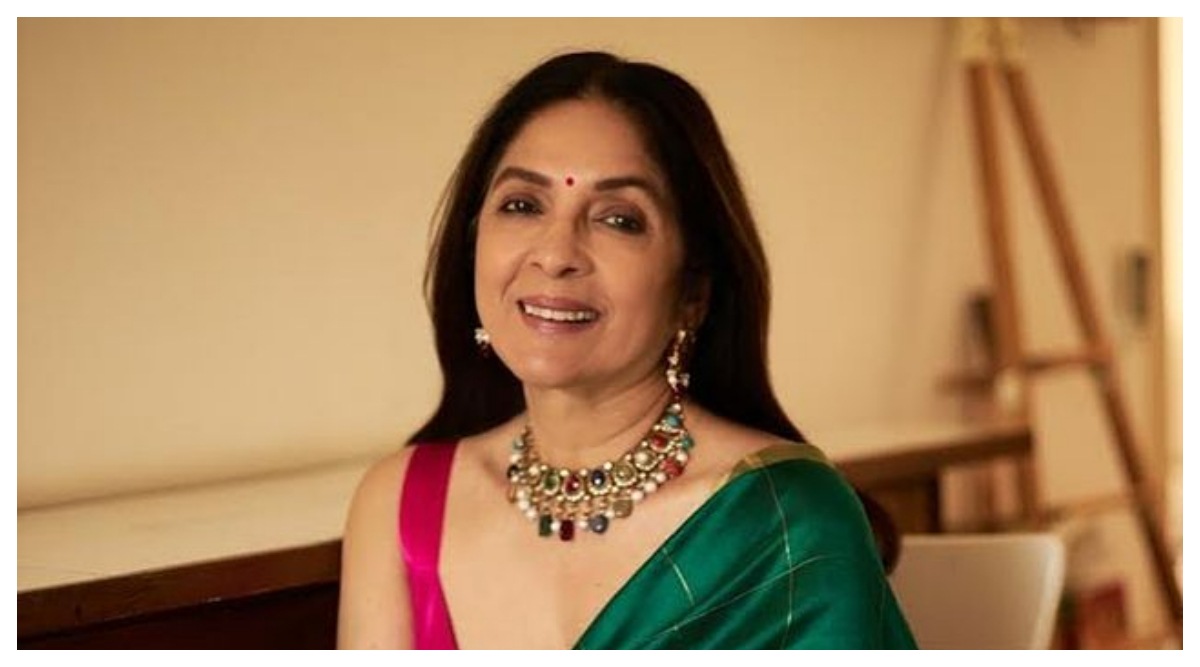
New Delhi, February 17, 2026: Veteran actor Neena Gupta has never been one to mince words. Known for her trailblazing life choices and her “tell-it-like-it-is” persona, the Panchayat star recently sparked a fresh conversation on the regressive mindsets that continue to plague Indian society. In a candid interaction, Gupta highlighted that despite the outward appearance of progress, the fundamental expectations placed on women—especially regarding marriage and purity—remain shockingly stagnant.
The Myth of the ‘Modern’ Indian Man
During a recent interview with Shubhankar Mishra, Neena Gupta addressed the uncomfortable reality of the Indian marriage market. When asked if the traditional obsession with virginity has faded in the modern era, her response was a blunt reality check.
“What has changed now? Are you talking about India? Who says that people are open? A lot of things have not changed in our country,” she remarked.
Gupta argued that the “progressive India” we see in metropolitan bubbles represents only a tiny minority. According to her, the “real India” still adheres to age-old patriarchal norms where a woman’s worth is often tied to her past. She emphasized that “they want a virgin wife,” suggesting that even well-educated men often carry these deep-seated prejudices into their private lives.
The Case of the Forbidden Family Photo
To illustrate how control is exercised over women in domestic spaces, Gupta shared a poignant anecdote involving her own niece. She revealed that even minor personal choices are often dictated by in-laws under the guise of “tradition” or “family values.”
- The Incident: Gupta recalled how her niece was prohibited by her mother-in-law from keeping a family photograph (featuring her own parents and relatives) on her bedside table.
- The Power Dynamics: In another instance, a relative was reportedly stopped from keeping a picture of her preferred deity, Sai Baba, and told to replace it with the guru worshipped by the husband’s family.
“We have a long way to go when it comes to changing the condition of women in the country,” Gupta added, pointing out that these are not isolated incidents but reflections of a system designed to strip women of their individual identity post-marriage.
“Strong Women are Not Marriage Material”
This isn’t the first time Gupta has touched upon the “quiet cost” of being an independent woman in India. In a separate conversation with Humans of Bombay earlier this year, she claimed that nearly 95% of men are intimidated by “strong women.”
Gupta noted that men often prefer “helpless women” because it allows them to maintain a sense of power and control. “They hate women who have their own thoughts, who work, who are committed to their own careers,” she observed.
A Legacy of Defying Norms
Neena Gupta’s critique carries weight because she has lived the consequences of defying these very norms. In the late 1980s, she made headlines for her relationship with West Indian cricketer Vivian Richards and her decision to raise her daughter, Masaba Gupta, as a single mother—a move that was practically unheard of in the social landscape of that time.
While she has often stated she wouldn’t necessarily “recommend” her path to everyone due to the immense hardships involved, she continues to use her platform to challenge the hypocrisy of a society that demands modernity in public but enforces medieval restrictions behind closed doors.
The Takeaway
Neena Gupta’s comments serve as a sobering reminder that financial independence and education are only half the battle. As she puts it, until the domestic “power play” changes and the obsession with a woman’s “purity” and “submissiveness” ends, the claim that India has changed will remain a surface-level illusion.