
 and the upcoming Meerut Metro)
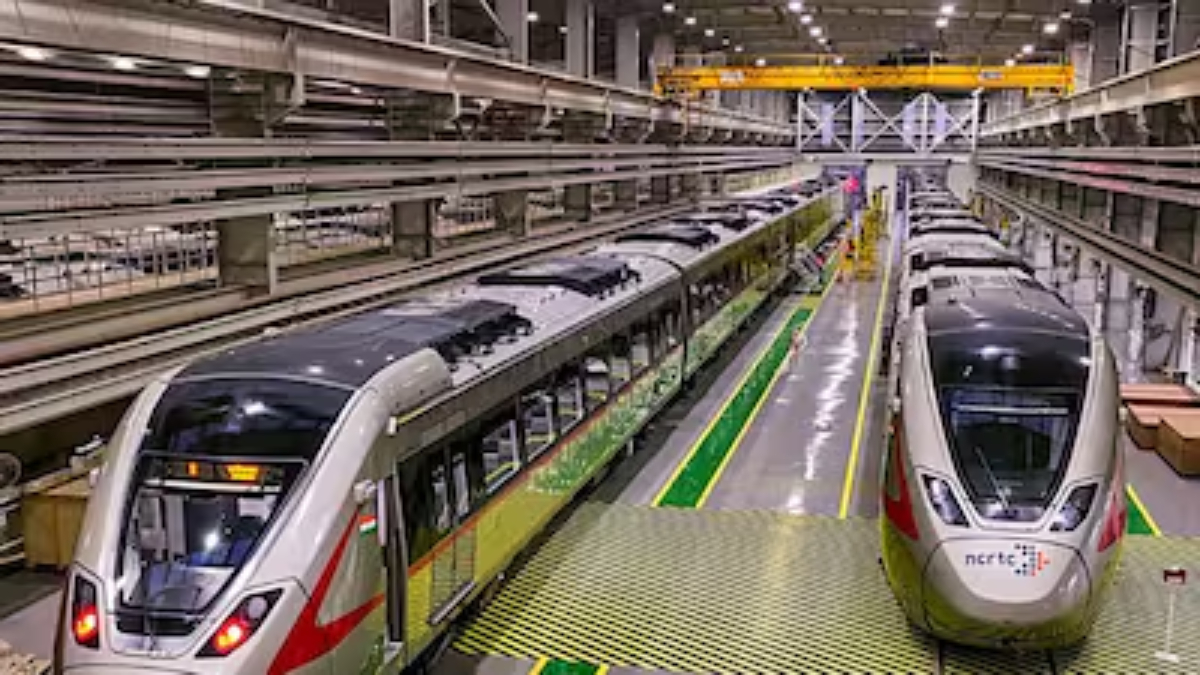
New Delhi, February 19, 2026: Commuters in Uttar Pradesh are set to experience a paradigm shift in regional travel as the Namo Bharat (RRTS) and the upcoming Meerut Metro transition to a unified single-ticket system. This integration, managed by the National Capital Region Transport Corporation (NCRTC), aims to eliminate the friction of modern commuting by allowing passengers to navigate both high-speed regional rail and local metro services with a single digital or physical ticket.
A Revolutionary Integrated Transit Model
In a first-of-its-kind initiative for India, the Meerut Metro and Namo Bharat trains will not only share the same physical infrastructure—including tracks and stations over a 23-km stretch—but will now share a seamless digital ecosystem.
Previously, multi-modal travel often required passengers to queue multiple times or use different apps for various legs of their journey. With the adoption of the single-ticket system, commuters can now book a single journey that spans both the regional high-speed corridor (connecting Delhi and Ghaziabad) and the local Meerut Metro stations.
Key Features of the Single-Ticket System
- Simultaneous Booking: Through the “Namo Bharat Connect” app, passengers can book QR-based tickets for both services in one go.
- Interoperable Smart Cards: The National Common Mobility Card (NCMC) and existing NCRTC smart cards will work across both systems, allowing users to tap-in and tap-out without needing separate balances.
- One India, One Ticket: This initiative aligns with the Prime Minister’s “Gati Shakti” vision, integrating with IRCTC and DMRC (Delhi Metro) to allow cross-platform ticket purchases.
Unprecedented Speed and Connectivity
The integration is more than just a ticketing update; it is a feat of engineering. The Meerut Metro is poised to become the fastest metro in India, with operational speeds of up to 120 kmph.
| Feature | Namo Bharat (RRTS) | Meerut Metro |
| Operational Speed | 160 kmph | 120 kmph |
| Primary Goal | Regional connectivity (Delhi–Meerut) | Local intra-city transit |
| Shared Corridor | Meerut South to Modipuram | Meerut South to Modipuram |
| Stations on Shared Path | 3 Major Stops (Limited) | 13 Local Stops (Detailed) |
By sharing tracks, the system ensures that a commuter from Delhi can arrive at Meerut South via Namo Bharat and immediately board a Meerut Metro train on the same platform to reach a local destination like Begumpul or Modipuram—all on the same ticket.
Benefits for the Everyday Commuter
- Reduced Travel Time: The combined system is expected to cut the travel time between Delhi and Meerut to roughly 55 minutes, down from the current 3–4 hours by road.
- Cost Efficiency: Unified ticketing often comes with integrated fare structures, preventing passengers from paying multiple “base fares” when switching between modes.
- Hassle-Free Interchanges: Passengers will no longer need to exit the station or undergo secondary security checks when moving between the Namo Bharat and Meerut Metro platforms at integrated stations.
- Modern Amenities: Both systems offer air-conditioned coaches, luggage racks, CCTV surveillance, and dedicated sections for women and persons with disabilities.
A Boost for Regional Growth
The synergy between Namo Bharat and Meerut Metro is expected to transform Meerut from a traditional Tier-2 city into a powerful satellite hub of the National Capital Region (NCR). Real estate experts predict a surge in commercial and residential demand near the 13 metro stations, as the ease of a “single-ticket” commute makes living in Meerut and working in Delhi a viable daily reality.
With trials nearing completion and a formal inauguration expected soon, the “Single-Ticket, Shared-Track” model is being hailed as the future blueprint for urban mobility in India.