

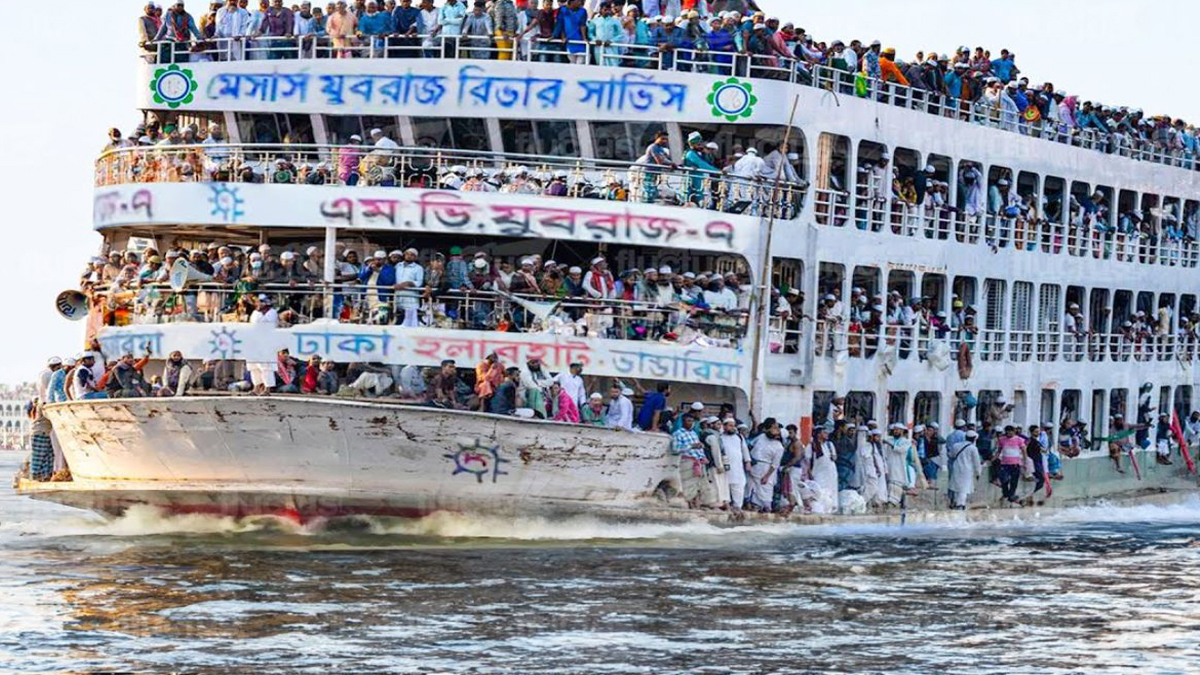
In some of the world’s most densely populated river deltas and archipelagos, the ferry is not just a mode of transport; it is a lifeline. From the chaotic terminals of Dhaka to the sprawling island networks of Indonesia and the Philippines, massive passenger vessels serve as the primary arteries of commerce and travel.
However, beneath the picturesque surface of sunset voyages lies a harrowing reality: thousands of lives packed into aging hulls, navigating waters where safety is often sidelined by economic necessity.
Life on the Decks: A Microcosm of Humanity
For a traveler on a heavily overcrowded ferry, the experience begins long before the engines roar to life. The docks are a sensory overload of shouting porters, street food vendors, and families hauling everything from livestock to electronic goods.
Once aboard, the concept of “personal space” vanishes.
- The Lower Decks: Often windowless and humid, these areas are packed with commuters sitting shoulder-to-shoulder on thin mats or the bare floor.
- The Rooftops: When the interior reaches capacity, the overflow moves upward. Hundreds of passengers often occupy the precarious top decks, exposed to the elements and shifting the vessel’s center of gravity.
- The Economy of Survival: On these journeys, which can last from six to twenty-four hours, a miniature economy thrives. Vendors weave through the crowds selling tea, nuts, and snacks, while makeshift sleeping arrangements are negotiated in every available square inch of deck space.
The “Shadowing” Effect: Sailing Dangerously Close
One of the most terrifying sights for maritime safety experts is the sight of these massive vessels sailing in close proximity. In narrow river channels or busy shipping lanes, ferries often “shadow” one another to save on fuel by drafting or simply because of high-frequency scheduling.
The Risks of Proximity:
- Suction and Interaction: Hydrodynamic forces can pull two large ships together if they sail too closely, leading to “fender-bending” or catastrophic hull breaches.
- Wake Turbulence: A large ferry creates a significant wake. For a neighboring vessel that is already overloaded and sitting low in the water, these man-made waves can wash over the gunwales, leading to sudden instability.
- Collision in Chaos: In sudden fog or heavy monsoon rains, the lack of advanced radar on older vessels—combined with their close proximity—makes a collision almost inevitable if one ship loses power or is forced to swerve.
Why the Danger Persists
If the risks are so high, why does the practice continue? The answer is a complex mix of infrastructure deficits and economic desperation.
“For many, the choice isn’t between a safe boat and a dangerous one; it’s between a dangerous boat and not getting to work or family at all.”
- Affordability: Ferries remain the cheapest way to move bulk goods and people.
- Under-Regulation: While maritime laws exist, enforcement at rural piers is often non-existent. Overloading is frequently overlooked by officials in exchange for “expediting fees.”
- Climate Change: As weather patterns become more unpredictable, these already vulnerable vessels are increasingly caught in “freak” storms that they were never designed to weather.
The Search for Solutions
Improving safety aboard these floating cities requires more than just new laws; it requires a shift in infrastructure. Modernizing fleet technology, implementing digital passenger counting systems, and dredging narrower channels to allow for safer passing distances are critical steps.
Until then, millions will continue to board these behemoths every day, crossing deep waters on ships that are as much a testament to human resilience as they are a warning of systemic neglect.