

New Delhi, February 20, 2026: The 2026 ICC Men’s T20 World Cup has reached a fever pitch, but not necessarily for the reasons the organizers intended. While the group stages delivered high-octane drama—including the stunning elimination of powerhouse Australia—a growing storm of controversy is brewing over the tournament’s Super 8 format.
Fans and analysts have taken to social media to “slam” the International Cricket Council (ICC) for a pre-seeding system that has resulted in a staggering competitive imbalance: all four group winners have been placed into a single Super 8 group.
The “Group of Death” on Steroids
Under the current 2026 format, the Super 8 stage is divided into two groups. Typically, a tournament bracket rewards teams that finish first in their initial groups by giving them a theoretically “easier” path. However, due to the pre-seeding mechanism—where teams were assigned seeds (e.g., A1, B1) based on their T20I rankings before the first ball was bowled—the actual on-field results have created a lopsided reality.
Super 8 Group 1 has now become an absolute “shark tank,” featuring four teams that went unbeaten or topped their respective tables:
- India (Group A Winners)
- Zimbabwe (Group B Winners – after upsetting Australia)
- West Indies (Group C Winners)
- South Africa (Group D Winners)
Meanwhile, Group 2 consists entirely of teams that finished as runners-up in the group stage: Pakistan, Sri Lanka, England, and New Zealand.
Why Fans are Fuming
The backlash centers on the perceived “punishment” for excellence. Critics argue that by winning their groups, teams like Zimbabwe and the West Indies have been rewarded with a significantly harder route to the semi-finals than the teams that struggled to qualify.
“ICC might be the most incompetent governing body in sport,” wrote one fan on X (formerly Twitter). “You win every game and your reward is a group with India and South Africa, while the runners-up get a separate bracket. It makes the group stage results feel meaningless.”
Key Points of Contention:
- No Incentive for Winning: Finishing first in the group stage provided no tactical advantage for the second round.
- Forced Eliminations: At least two of the tournament’s top-performing sides (statistically) are now guaranteed to be eliminated before the semi-finals.
- Logistical Rigidity: The ICC defended the move as a “logistical necessity” to allow fans to book travel and tickets in advance for specific venues. However, fans argue that sporting integrity should never be sacrificed for administrative convenience.
The “Zimbabwe Factor”
The controversy was amplified by the rise of Zimbabwe. By defeating Australia and Sri Lanka to top Group B, the “Chevrons” took over the B1 seed originally reserved for Australia. Under a performance-based draw, Zimbabwe would have likely faced a mix of winners and runners-up. Instead, their reward for topping the group is a date with the world’s elite in Group 1.
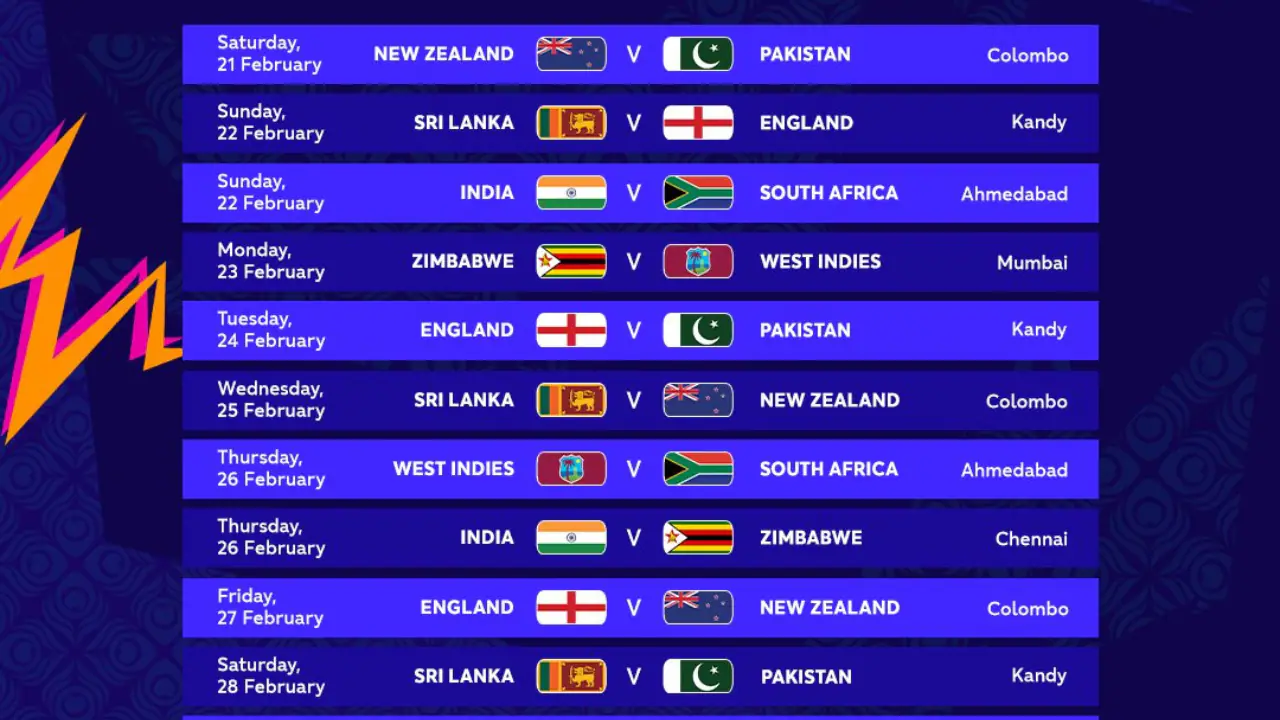
| Super 8 Group 1 (The “Toppers”) | Super 8 Group 2 (The “Runners-up”) |
| India | Pakistan |
| South Africa | England |
| West Indies | Sri Lanka |
| Zimbabwe | New Zealand |
What’s Next?
The Super 8 stage is set to commence on February 21, with Pakistan taking on New Zealand. While the “Group of Death” (Group 1) promises some of the highest-quality cricket of the year, the conversation surrounding the 2026 T20 World Cup remains dominated by the “pre-seeding” debate.
If two of the tournament’s most dominant teams are knocked out early due to this structure, the pressure on the ICC to overhaul the format for the 2028 edition will be immense.