

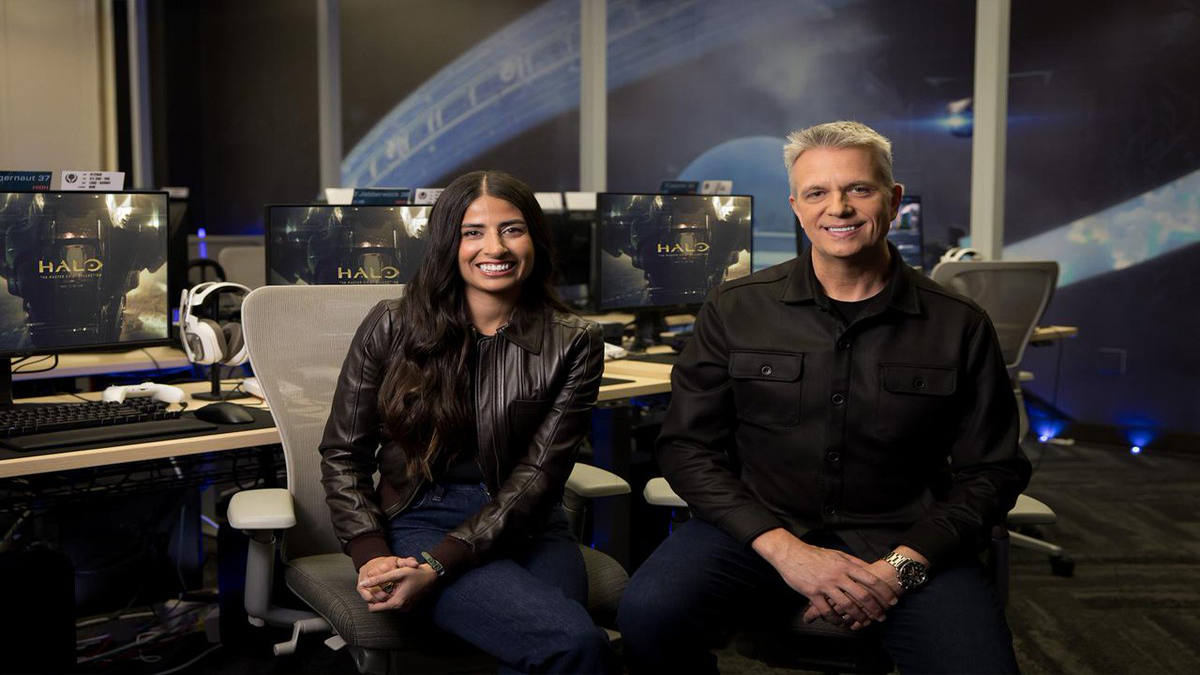
New Delhi, February 21, 2026: In a seismic shift for the video game industry, Microsoft has officially announced that Phil Spencer, the longtime face and CEO of Microsoft Gaming, is retiring after a storied 38-year career at the company. Stepping into the role is Asha Sharma, a high-profile executive who most recently served as the President of Microsoft’s Core AI division.
The transition marks the end of an era for Xbox and signals a bold new direction for the brand as it navigates a future increasingly defined by artificial intelligence and cross-platform ecosystems.
The End of the “P3” Era: Phil Spencer’s Legacy
Phil Spencer’s journey at Microsoft is the quintessential “intern-to-CEO” success story. Joining the company in 1988 as a technical intern, Spencer rose through the ranks, eventually taking over a struggling Xbox division in 2014 following the rocky launch of the Xbox One.
Under his leadership, the brand underwent a massive transformation centered on “player-first” initiatives:
- Expansion through Acquisitions: Spencer oversaw the historic $69 billion acquisition of Activision Blizzard, as well as the purchases of Bethesda (ZeniMax) and Mojang (Minecraft).
- The Rise of Game Pass: He was the architect of Xbox Game Pass, often dubbed the “Netflix for games,” which fundamentally changed how players consume content.
- Hardware Innovation: From the Xbox One X to the current Series X|S generation, Spencer focused on power and backward compatibility.
In his farewell message, Spencer noted that Xbox has always been “more than a business,” and expressed his gratitude to the community. He will remain in an advisory role through the summer of 2026 to ensure a smooth handoff.
Who is Asha Sharma?
The appointment of Asha Sharma as the new CEO of Microsoft Gaming (and Executive Vice President) represents a pivot toward platform scaling and advanced technology.
Before taking the helm at Xbox, Sharma led Microsoft’s Core AI group, where she managed the product portfolio for AI models, agents, and developer tools. Her resume is a masterclass in tech leadership:
- Instacart: Served as Chief Operating Officer (COO), helping lead the company through its IPO.
- Meta (Facebook): Held senior roles as VP of Product and Engineering for Messenger and Instagram Direct.
- Experience: She is widely recognized for her ability to scale services that reach billions of users—a skill set Microsoft views as vital for the next 25 years of Xbox.
Addressing the “AI Slop” Concern
Recognizing the apprehension some gamers feel regarding AI’s role in creative arts, Sharma addressed the issue immediately in her first memo to staff. She emphasized that while AI will be a tool for innovation, it will not replace human creativity.
“As monetization and AI evolve and influence this future, we will not chase short-term efficiency or flood our ecosystem with soulless AI slop,” Sharma stated. “Games are and always will be art, crafted by humans.”
A New Leadership Structure
The shakeup isn’t limited to the top spot. Along with Sharma’s appointment, Microsoft confirmed several other key moves:
- Matt Booty has been promoted to Chief Content Officer, reporting directly to Sharma. He will continue to oversee the creative output of Microsoft’s 40+ internal studios.
- Sarah Bond, the former President of Xbox, is also departing the company to pursue a “new chapter,” ending her highly successful tenure as a key strategist for the brand.
What’s Next for Xbox?
Asha Sharma takes over at a pivotal moment. While Microsoft now owns some of the world’s biggest franchises—including Call of Duty, Halo, and The Elder Scrolls—the division faces pressure from rising hardware costs and intense competition from Sony and Nintendo.
Sharma has outlined three core pillars for her tenure:
- Great Games: Reaffirming a commitment to “innovative gameplay and creative excellence.”
- The Return of Xbox: A promise to recommit to the core console fans while expanding the ecosystem.
- Future of Play: Inventing new business models and leveraging AI to empower both developers and players.
As the industry watches closely, Sharma’s background suggests that the “next 25 years” of Xbox will likely move beyond the living room console, focusing on a seamless, AI-enhanced experience across mobile, PC, and the cloud.