

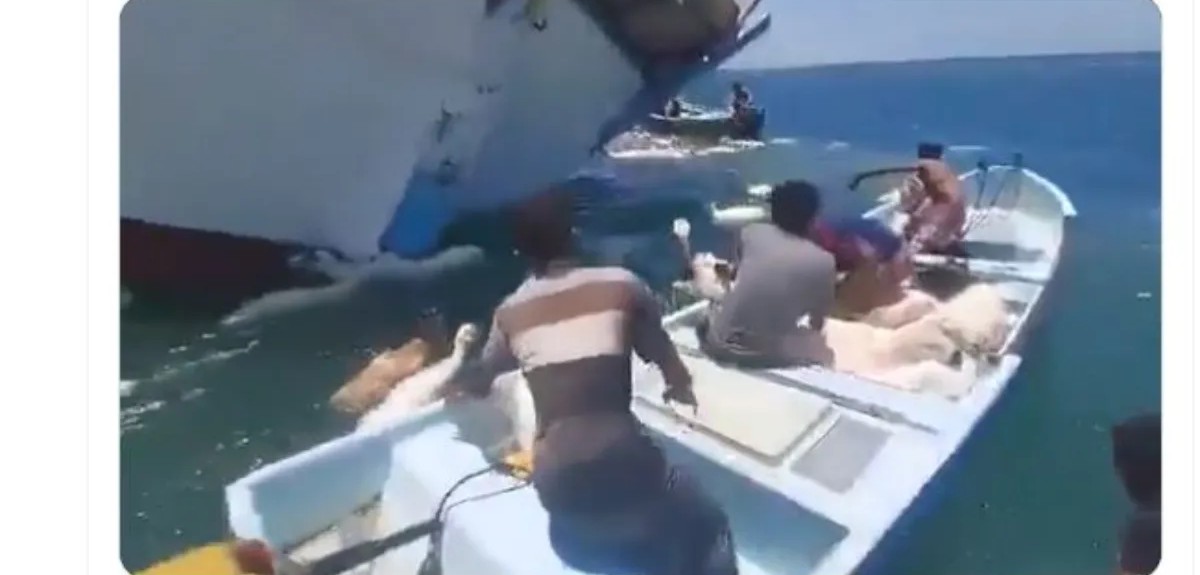
New Delhi, February 21, 2026: A significant wave of global concern and shock has been triggered across social media platforms following the emergence of a distressing viral video. In the footage, which gained massive traction on February 21, 2026, thousands of sheep are observed struggling in the open ocean, with captions claiming that over ten lakh (one million) animals have perished in a recent maritime disaster. It is noted that the scale of the alleged tragedy led to an immediate outcry from animal welfare activists and environmentalists alike. This alarming visual has been widely shared as a primary example of how unverified “shock content” can rapidly manipulate public sentiment.
The Mechanics of the Misleading Narrative
The specifics of the video’s origin and the authenticity of the “one million” figure are being meticulously discussed by fact-checking organizations and maritime experts. It is observed in the official investigations that while maritime accidents involving livestock carriers do occur, the figures presented in the viral post are grossly exaggerated. It is reported by several digital observers that the footage being circulated is actually a compilation of older incidents, some dating back several years, which have been digitally spliced together to create a false sense of a singular, massive catastrophe. The visual of a “sea of sheep” has provided a grounding narrative for the dangerous spread of misinformation on contemporary media platforms.
Also Read: Viral Video of Brothers Challenging Patriarchy Earns Global Praise
Social Media Reacts: A Symphony of Outrage and Correction
A massive conversation regarding “clickbait journalism” and the ethics of sharing distressing content without verification has been ignited by this digital revelation. It is noted that the initial panic was met with a swift counter-offensive by data analysts, with many netizens remarking that “logic must be applied before clicking the share button.” The creators of the misleading post are being widely discussed for their role in spreading unnecessary fear for the sake of digital engagement. Thousands of analytical comments have been left by users who expressed their relief upon learning the truth, stating that such videos serve as a stark reminder of the “infodemic” that often accompanies real-world events.
Impact on Maritime Regulations and Information Literacy
The impact of this viral event has extended beyond simple internet gossip to influence a broader discussion on the transparency of the global livestock trade. It is frequently mentioned by industry insiders that while animal safety is a critical concern, the use of hyperbole helps no one in achieving actual policy reform. A renewed sense of vigilance is being observed among social media users to report “fear-mongering” posts that lack credible sources. It is believed that the viral nature of this specific “One Million Sheep Hoax” will prompt a dialogue on the necessity of platform-level fact-checking tools that flag exaggerated numbers in real-time.
A Stark Reminder of Digital Skepticism
As the clarification continue to accumulate views in late February 2026, it serves as a powerful and resilient reminder that not everything that trends is rooted in reality. It is believed that the story of the “Drowned Sheep Fact Check” will remain a primary highlight of the month’s most discussed and socially relevant digital literacy features. The legacy of this viral event is expected to be a heightened public awareness of the need for critical thinking when engaging with sensationalist media. Until the digital ecosystem becomes more resistant to hoaxes, this case remains a stark testament to the fact that the first casualty of viral news is often the data itself.