

New Delhi, February 21, 2026: In a significant turn for trans-Atlantic and Indo-Pacific trade, the headline-grabbing “reciprocal tariffs” that once threatened to hit 50% on Indian goods have been largely rolled back following a landmark interim trade agreement and a pivotal U.S. Supreme Court ruling in February 2026.
However, for Indian exporters, the celebration is tempered by a sobering reality: while the “tit-for-tat” escalation has cooled, a complex web of sector-specific U.S. tariffs and new global duties continues to squeeze profit margins and market access.
The New Trade Landscape: 18% is the New Floor
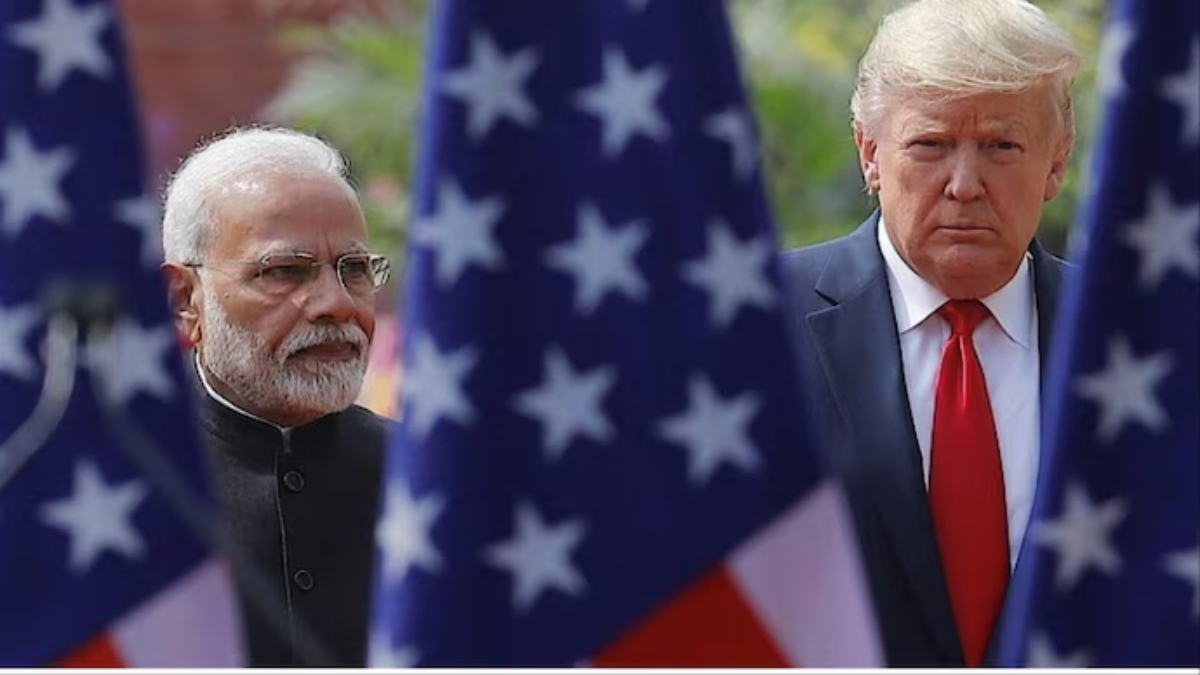
Following high-stakes negotiations between President Donald Trump and Prime Minister Narendra Modi, the U.S. agreed to reduce the reciprocal tariff rate on Indian goods from a peak of 50% down to 18%. This reduction was part of a “peace treaty” in which India committed to purchasing $500 billion in U.S. energy, technology, and agricultural products over the next five years.
Crucially, the U.S. also scrapped the additional 25% “punitive levy” that had been imposed on India specifically for its continued purchase of Russian oil. While this provides immediate relief to sectors like gems, jewelry, and textiles, the remaining 18% baseline remains a significant hurdle compared to the near-zero rates enjoyed under previous trade regimes.
The Persistent “Invisible” Barriers
While the reciprocal “war” has ended, several long-standing and new “static” tariffs remain in force, creating a multi-layered tax environment for Indian goods.
1. Section 232: Steel and Aluminum “Security” Duties
The 2026 trade framework provided only surgical relief for Section 232 tariffs.
- The Status: While duties were removed for Indian aircraft parts, the broader 25% tariff on steel and 10% on aluminum remain largely intact for general industrial exports.
- The Impact: This continues to hamper India’s “Make in India” ambitions for heavy engineering and construction exports to the U.S.
2. Section 301 and Anti-Dumping Measures
The U.S. Department of Commerce continues to aggressively use trade remedy instruments.
- Seafood and Marine Products: Indian shrimp and seafood exporters face a combination of base tariffs (often around 25%) plus anti-dumping duties and countervailing duties (CVDs) if the U.S. perceives government subsidies.
- Pharmaceuticals: As of early 2026, a Section 232 investigation into generic pharmaceuticals and active pharmaceutical ingredients (APIs) is still pending, leaving India’s multi-billion dollar drug export industry in a state of “tariff limbo.”
3. The New 10% Global Baseline (Section 122)
Adding a fresh layer of complexity, the Trump administration recently implemented a 10% global tariff under Section 122 of the Trade Act. While the India-specific “reciprocal” rate of 18% is designed to be the primary duty, legal experts warn that “stacking” rules are still being litigated in U.S. courts, creating a volatile pricing environment for MSMEs (Micro, Small, and Medium Enterprises).
Strategic Pivots: Beyond the U.S. Market
With the U.S. market becoming a “high-cost” zone, Indian exporters are increasingly looking elsewhere. The recent signing of the India-EU Free Trade Agreement in January 2026 and the expansion of trade with the UAE and Australia are strategic hedges against American protectionism.
“The U.S. remains our largest partner, but the era of ‘easy access’ is over,” says a leading textile exporter from Tiruppur. “We are now pricing our goods based on an 18% tax floor, which means we either innovate or get priced out.”
Looking Ahead
The interim deal is a “ceasefire,” not a total peace. With the full U.S.-India Bilateral Trade Agreement (BTA) still under negotiation, the focus now shifts to non-tariff barriers, such as digital trade rules and medical device pricing. For now, Indian exporters must navigate a “hybrid” trade world: one where the threat of 50% tariffs has vanished, but the “new normal” of 18% plus sector-specific duties remains a heavy burden.