

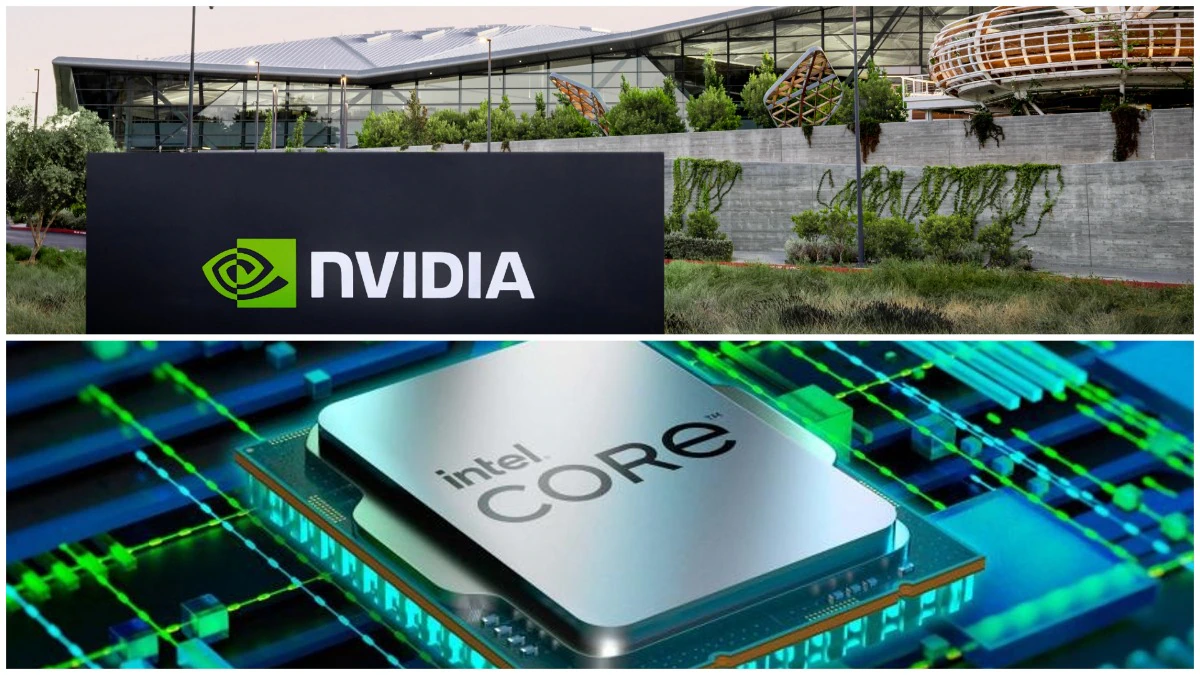
February 25, 2026 — In a move that signals a tectonic shift in the personal computing landscape, Nvidia is reportedly set to launch its first consumer-grade, AI-powered laptop processors in the first half of 2026. This ambitious foray marks the company’s transition from being a provider of “add-on” graphics cards to a primary architect of the entire laptop system, directly challenging the long-standing “Intel Inside” dominance.
A New Architecture for the AI PC Era
Unlike traditional laptop setups that pair a standalone CPU from Intel or AMD with an Nvidia GPU, the upcoming chips—codenamed N1 and N1X—are designed as integrated Systems on a Chip (SoC). This architecture, similar to the one used in smartphones and Apple’s high-performance M-series MacBooks, combines the Central Processing Unit (CPU), Graphics Processing Unit (GPU), and a dedicated Neural Processing Unit (NPU) into a single piece of silicon.
The move is perfectly timed for the rise of “AI PCs.” With Microsoft’s Copilot+ requirements demanding higher local AI processing power, Nvidia is leveraging its undisputed lead in data center AI to bring that same “muscle” to portable devices.
Key Technical Specs & Partnerships
Industry reports and recent supply chain leaks from The Wall Street Journal and DigiTimes suggest Nvidia is pursuing a dual-pronged strategy:
- The Arm-Based Revolution (N1X): Partnering with MediaTek, Nvidia is developing an Arm-based processor. Leaks suggest the flagship N1X could feature up to 20 CPU cores and an integrated GPU with performance levels comparable to a discrete RTX 5070. This promises a rare combination of enthusiast-level gaming power and elite battery efficiency.
- The Intel Collaboration: In a secondary approach, Nvidia is collaborating with Intel to pair Intel’s x86 CPUs with Nvidia’s next-generation graphics and AI components. This ensures that users who require traditional Windows application compatibility won’t be left behind.
- Targeting the MacBook: The primary goal of these chips is to provide Windows users with a viable alternative to Apple’s silicon—delivering thin, light laptops that don’t sacrifice performance for battery life.
Major Laptop Brands Onboard
The industry’s heavy hitters are already lining up to integrate these new chips. Dell and Lenovo are expected to be the first manufacturers to debut Nvidia-powered laptops.
Leaked shipping manifests have already spotted a “Dell 16 Premium” laptop testing the N1X chip, while Lenovo is reportedly preparing to refresh its Yoga, Legion, and IdeaPad lineups with the new silicon. High-end gaming sub-brands like Alienware are also expected to lead the charge, offering the N1X as a solution for gamers who want desktop-class power in a slim form factor.
Market Impact: Why Now?
Nvidia’s timing is strategic. While the company has seen record-breaking revenue from its data center business, the consumer laptop market represents a massive opportunity to diversify. With roughly 150 million laptops sold annually, securing a place as the primary processor provider—rather than just an optional graphics upgrade—could fundamentally change Nvidia’s revenue structure.
“Nvidia isn’t just trying to win the PC market with a faster chip; it’s trying to become structurally essential to the Windows AI ecosystem,” noted one industry analyst.
Challenges Ahead: The Software Hurdle
The road to dominance won’t be without obstacles. Historically, Windows on Arm has struggled with “app compatibility,” particularly for legacy software and high-end gaming. While Qualcomm has made strides with its Snapdragon X series, Nvidia will need to ensure its drivers and software translation layers are flawless to win over the skeptical gaming community.
Availability
Official announcements are widely expected during Nvidia’s GTC 2026 conference (March 16-19). If the current roadmap holds, the first Nvidia-powered AI laptops could hit store shelves as early as Spring 2026, with a broader rollout in the summer.