
 vaccine,)
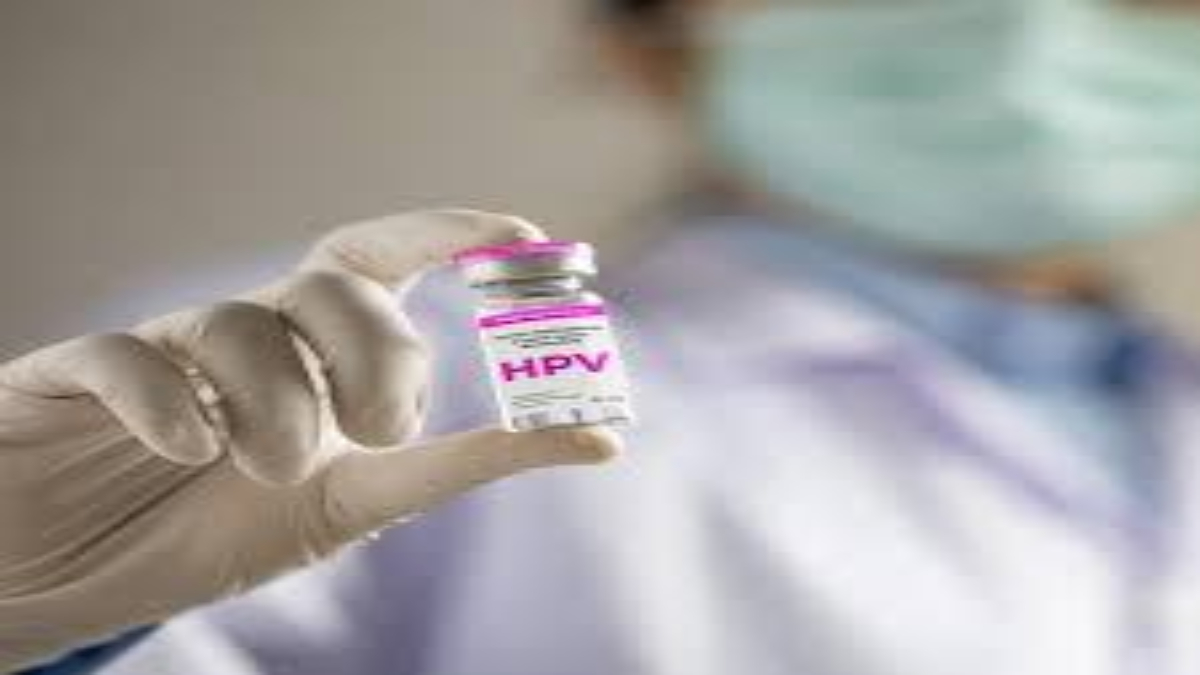
New Delhi, February 25, 2026: In 2026, the global health landscape has reached a pivotal turning point in the fight against cancer. The Human Papillomavirus (HPV) vaccine, once a subject of debate, has emerged as one of the most successful public health interventions in history. Recent data from early 2026 suggests that we are closer than ever to the World Health Organization’s (WHO) 2030 goal: the total elimination of cervical cancer as a public health threat.
The 2026 Landscape: A Global Shift
As of January 2026, over 164 countries have integrated the HPV vaccine into their national immunization programs. This is a significant leap from just five years ago, driven by the inclusion of high-population nations like China, Nigeria, and Indonesia.
The most transformative change in recent years has been the shift to a single-dose schedule. New clinical evidence published in late 2025 confirmed that one dose provides protection comparable to the traditional multi-dose regimen, making the vaccine more accessible and affordable for developing regions.
Key Benefits of the HPV Vaccine
The vaccine’s impact extends far beyond preventing a single disease. It is designed to protect against the most high-risk strains of HPV—specifically types 16 and 18—which are responsible for:
- 90% of cervical cancers.
- Most anal, throat (oropharyngeal), and penile cancers.
- Over 90% of genital warts.
Moving Toward Gender-Neutral Protection
While early campaigns focused exclusively on girls, 2026 has seen a massive surge in gender-neutral vaccination. Public health experts now emphasize that HPV is not a “women’s issue.”
By vaccinating boys, countries are:
- Providing Direct Protection: Preventing HPV-related cancers in men, such as throat and anal cancers, which have been rising globally.
- Building Herd Immunity: Reducing the overall circulation of the virus in the community, which protects everyone.
- Reducing Stigma: Moving away from the misconception that the vaccine is solely tied to female reproductive health.
Safety and Myths: Setting the Record Straight
Despite its proven track record, misinformation remains a barrier. In 2026, medical authorities continue to clarify the facts:
| Myth | Reality |
| “The vaccine is too new to be safe.” | We now have over 20 years of real-world data and hundreds of millions of doses administered with a stellar safety profile. |
| “It causes fertility issues.” | Extensive studies involving millions of participants have found no link between the vaccine and infertility or autoimmune diseases. |
| “It encourages early sexual activity.” | Data consistently shows that vaccination has no impact on the timing or frequency of sexual behavior in adolescents. |
Breakthroughs on the Horizon
The future of HPV prevention is evolving beyond the standard shot. In early 2026, researchers began human trials for “therapeutic vaccines.” Unlike current preventative vaccines that stop an infection from starting, these new treatments are designed to help the immune system clear existing HPV infections and even shrink early-stage tumors.
Furthermore, the introduction of next-generation vaccines, such as those using L2 protein technology, promises even broader protection against more rare strains of the virus, potentially requiring even simpler storage conditions for remote areas.
Conclusion: The Path to 2030
The 90-70-90 target set by the WHO remains the “North Star” for global health: 90% of girls vaccinated by age 15, 70% of women screened regularly, and 90% of those diagnosed receiving treatment.
The HPV vaccine is no longer just a medical option; it is a fundamental tool for health equity. By ensuring that the next generation is protected today, we are effectively choosing a future where cervical cancer is a disease found only in history books.