

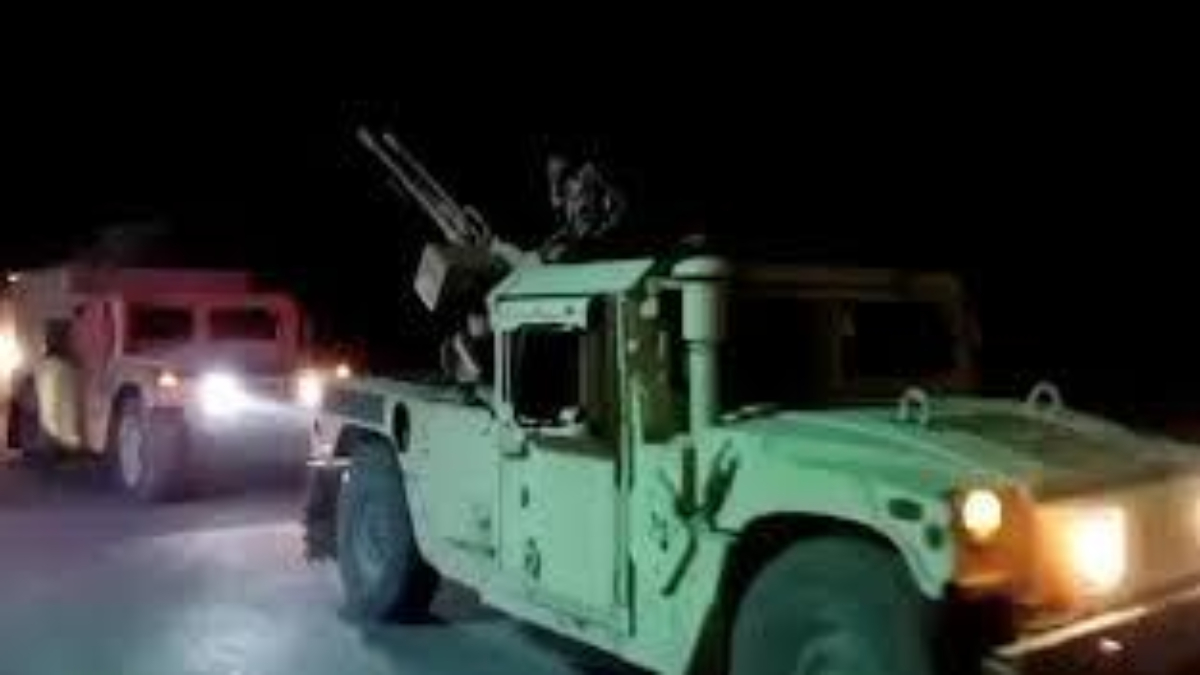
New Delhi, February 27, 2026: Tensions between Pakistan and Afghanistan reached a breaking point on Friday, February 27, 2026, as Islamabad officially declared an “open war” against the Taliban-led administration. The declaration followed a night of intense border clashes that reportedly left dozens of soldiers dead and triggered a large-scale Pakistani military offensive dubbed Operation Ghazab lil-Haq (Wrath for Justice).
The Spark: Deadly Retaliatory Strikes
The conflict escalated sharply late Thursday when the Afghan Ministry of National Defence announced it had launched a series of retaliatory attacks along the Durand Line. Kabul claimed its forces targeted Pakistani military installations in response to airstrikes carried out by Pakistan earlier in the week.
- Afghan Claims: The Taliban government stated that their forces killed 55 Pakistani soldiers, captured 19 border posts, and seized two military bases. They further alleged that some Pakistani personnel were “captured alive” and taken across the border.
- Pakistan’s Rebuttal: Islamabad has vehemently denied these figures. Information Minister Attaullah Tarar confirmed the deaths of two Pakistani soldiers, dismissing the Afghan claims as psychological warfare.
Operation Ghazab lil-Haq: Pakistan’s Response
In the early hours of Friday, Pakistan’s Defence Minister Khawaja Asif announced that “the cup of patience has overflowed.” Shortly after, the Pakistan Air Force (PAF) and ground troops initiated Operation Ghazab lil-Haq, targeting strategic assets deep inside Afghan territory.
Key Targets and Reported Damage:
According to Pakistani military sources and state broadcaster PTV, the operation has targeted several major cities and provinces:
- Kabul & Kandahar: Precision strikes were reported on Taliban military installations and command centers in the capital and the southern stronghold.
- Paktia & Nangarhar: Airstrikes destroyed an ammunition depot and several battalion headquarters.
- Casualty Estimates: Islamabad claims that over 133 Taliban fighters have been killed and 200 wounded since the start of the offensive. They also report the destruction of over 30 tanks and armored vehicles.
A Growing Humanitarian Crisis
As the two nations exchange heavy artillery and airstrikes, civilians are caught in the crossfire. Reports from Nangarhar indicate that a missile struck a refugee camp near the Torkham border crossing, injuring at least 13 civilians, including women and children. On the Pakistani side, residents in border districts like Bajaur and Kurram have begun evacuating to safer areas as mortar shells land in civilian villages.
The Durand Line: A Century of Dispute
At the heart of the conflict remains the 2,611-kilometer (1,622-mile) Durand Line. While Pakistan recognizes it as the official international border, the Taliban—like previous Afghan governments—rejects the colonial-era boundary. This long-standing dispute, coupled with Islamabad’s accusations that Kabul provides a safe haven for anti-Pakistan militants, has dismantled a 2025 Qatar-mediated ceasefire.
International Reaction
The sudden eruption of “open war” has sent shockwaves through the region:
- Iran: Foreign Minister Abbas Araghchi has offered to facilitate a dialogue, urging both “brotherly nations” to exercise restraint during the holy month of Ramadan.
- Russia: Moscow has expressed deep concern, stating it is ready to mediate if both parties agree to a ceasefire.
- United Nations: Secretary-General António Guterres has called for an immediate cessation of hostilities to protect civilian lives.
As the smoke rises over Kabul and the border sectors remain active, the situation remains highly volatile. Neither side has shown a willingness to step back, signaling a potentially protracted and bloody conflict in the heart of South Asia.