
 successfully intercepted and shot down)
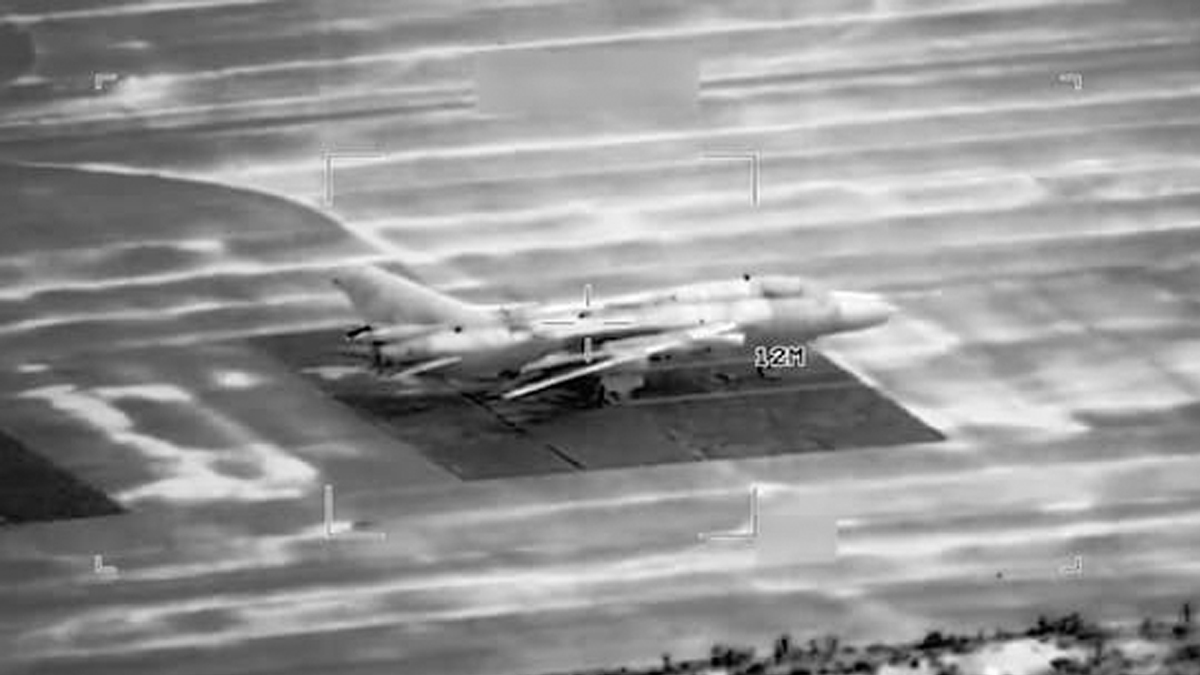
New Delhi, March 6, 2026: In a dramatic escalation of the ongoing regional conflict, the Qatar Amiri Air Force (QEAF) successfully intercepted and shot down two Iranian Su-24 tactical bombers on March 2, 2026. The aircraft were reportedly neutralised just two minutes before they could reach high-value targets on Qatari soil, marking the first time the Gulf nation has engaged in direct air-to-air combat with Iranian piloted aircraft.
The Interception: Two Minutes from Impact
According to official statements from the Qatari Ministry of Defense and reports from CNN, the two Soviet-era Sukhoi Su-24 jets were detected flying at an extremely low altitude—approximately 24 meters—in a deliberate attempt to evade radar detection.
The aircraft were intercepted over Gulf waters as they approached from Iranian territory. Despite receiving multiple radio warnings, the pilots did not change course, leading Qatari F-15 fighter jets to engage and destroy them. Military sources confirmed the bombers were “carrying bombs and guided munitions” and were roughly 120 seconds away from their intended targets:
- Al Udeid Air Base: The forward headquarters of U.S. Central Command (CENTCOM), which houses approximately 10,000 American personnel.
- Ras Laffan Industrial City: A critical hub for Qatar’s liquefied natural gas (LNG) processing and a cornerstone of the global energy market.
A Wider Barrage of Missiles and Drones
The aerial dogfight was part of a larger, coordinated assault. The Qatari Ministry of Defense announced that its integrated air defense systems, including the U.S.-made Patriot and THAAD batteries, successfully intercepted seven ballistic missiles and five drones.
While most threats were neutralized, one Iranian ballistic missile reportedly struck the perimeter of Al Udeid Air Base on March 3. Qatari officials stated that the strike caused no casualties, though it has forced a temporary suspension of LNG production at Mesaieed and Ras Laffan as a safety precaution.
Key Military Statistics of the Incident
| Threat Type | Number Detected | Outcome |
| Su-24 Tactical Bombers | 2 | Shot down by Qatari F-15s |
| Ballistic Missiles | 7 | 6 intercepted; 1 struck Al Udeid (no casualties) |
| Attack Drones | 5 | All destroyed by air and naval forces |
Regional Context and Escalation
The incident follows a week of intense hostilities that began on February 28, 2026, when the United States and Israel launched strikes against Iranian nuclear and military facilities. Iran has since responded with a “retaliatory campaign” across the Persian Gulf, targeting nations that host U.S. military assets.
Qatar’s Foreign Ministry spokesperson, Majed Al-Ansari, described the attempt to strike Doha as a “reckless and irresponsible” violation of sovereignty. He emphasized that while Qatar has traditionally acted as a mediator, it will “respond decisively” to any foreign threat.
Impact on Global Energy and Security
The fallout from the attempted strike has already been felt globally:
- Energy Prices: The temporary halt of Qatari LNG production led to an immediate spike in European gas market prices, as Europe relies on Qatar for roughly 12–14% of its supplies.
- Internal Security: On March 4, Qatari authorities arrested 10 individuals suspected of being linked to an Islamic Revolutionary Guard Corps (IRGC) cell tasked with sabotage and espionage.
- Civilian Safety: The Ministry of Interior has raised the national security threat level, advising residents in Doha to remain indoors following reports of falling shrapnel from intercepted projectiles.
As of March 6, 2026, search operations are ongoing in the Arabian Gulf to recover the remains of the Su-24 aircraft and determine the status of the Iranian crews.