

New Delhi, March 16, 2026: The 98th Academy Awards recently witnessed a historic shift in the cinematic landscape as “KPop Demon Hunters” secured a monumental double victory. The Netflix original film, produced by Sony Pictures Animation, didn’t just win trophies for Best Animated Feature and Best Original Song—it cemented its status as a global cultural phenomenon.
From record-breaking streaming numbers to a live performance that turned the Dolby Theatre into a K-pop arena, here is how this vibrant animated musical captured the world’s imagination.
1. A Fusion of Ancient Folklore and Modern Pop
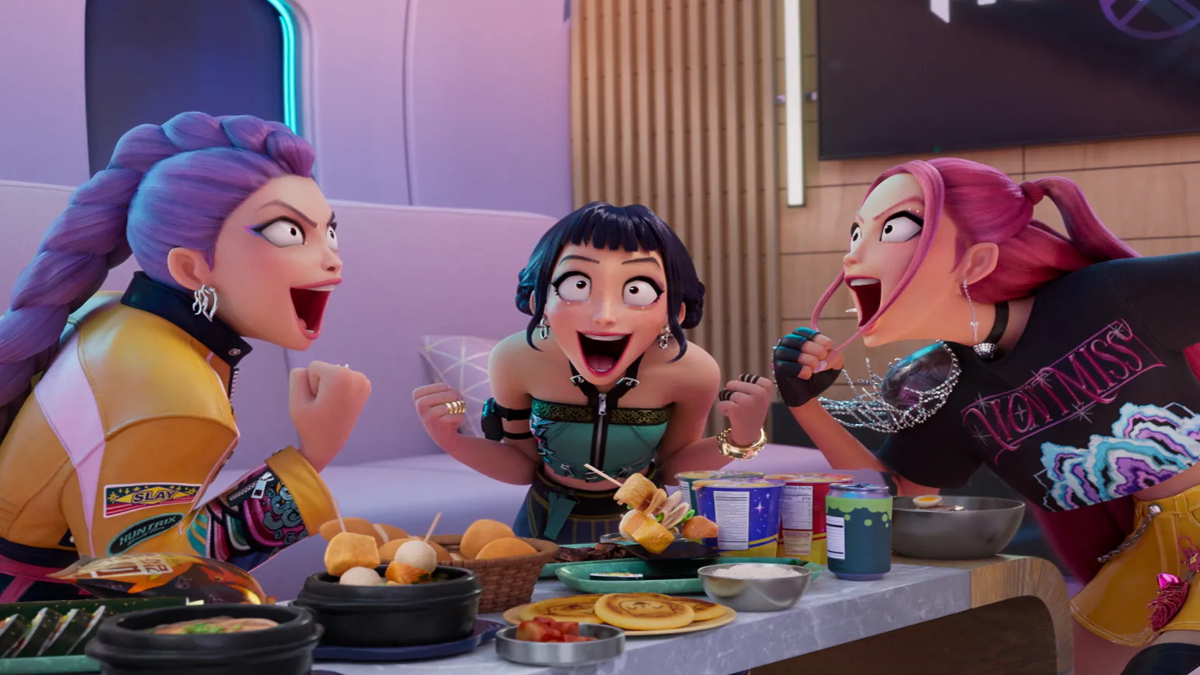
The film’s brilliance lies in its unique “genre-mashup.” Directed by Maggie Kang and Chris Appelhans, the story follows the fictional girl group HUNTR/X—Rumi, Mira, and Zoey—who balance world tours with a secret mission to hunt malevolent spirits.
By grounding the narrative in Korean shamanism and mudang traditions, the creators offered something fresh to global audiences. Instead of watering down the culture, the film leaned into it, featuring:
- The Honmoon: A mystical shield fueled by the unity and song of the idols.
- Authentic Details: Everything from the food (gimbap and ramyeon) to linguistic nuances like maknae (the youngest member) gave the film a texture of authenticity that resonated with fans of Hallyu (the Korean Wave) and newcomers alike.
2. “Golden” and the Power of the Soundtrack
Music wasn’t just a background element; it was the film’s heartbeat. The hit single “Golden,” performed by EJAE, became the first-ever K-pop song to win an Oscar.
The song’s journey is a testament to the film’s reach:
- It dominated the Billboard Hot 100 for weeks.
- It previously made history as the first K-pop track to win a Grammy for Best Song Written for Visual Media.
- During the Oscars, the live performance—complete with traditional Korean percussionists and lightsticks—captivated Hollywood’s elite, bridging the gap between Western cinema and Eastern pop aesthetics.
3. Relatable Themes of Identity and Resilience
Beneath the high-octane demon-slaying and neon-lit choreography is a deeply human story about self-acceptance and “shame.” The lead character, Rumi, struggles with her identity as a half-demon, a metaphor for the pressure of perfection often found in the idol industry and modern life.
In her emotional acceptance speech, Maggie Kang addressed the significance of representation:
“I’m so sorry that it took us so long to see us in a movie like this, but it is here, and that means the next generation doesn’t have to go longing. This is for Korea and Koreans everywhere.”
4. Unprecedented Digital Success
The numbers behind KPop Demon Hunters are staggering. It has officially become the most-watched film in Netflix history, surpassing the 540 million view mark. Its success was further fueled by:
- Viral Challenges: The “Soda Pop” dance challenge, featuring the rival Saja Boys, took over TikTok and saw participation from real-world K-pop idols.
- Fan Community: Unlike many studio releases, the film’s marketing was amplified by a fiercely devoted fanbase that organized “sing-along” theatrical screenings globally.
What’s Next for HUNTR/X?
With two Oscars in hand and a record-breaking streaming legacy, the “Demon Hunter” universe is only expanding. Netflix has already greenlit a sequel, with Kang and Appelhans returning to the director’s chairs. As the world continues to hum the melody of “Golden,” it’s clear that this film has opened a new door for diverse, music-driven storytelling in animation.