

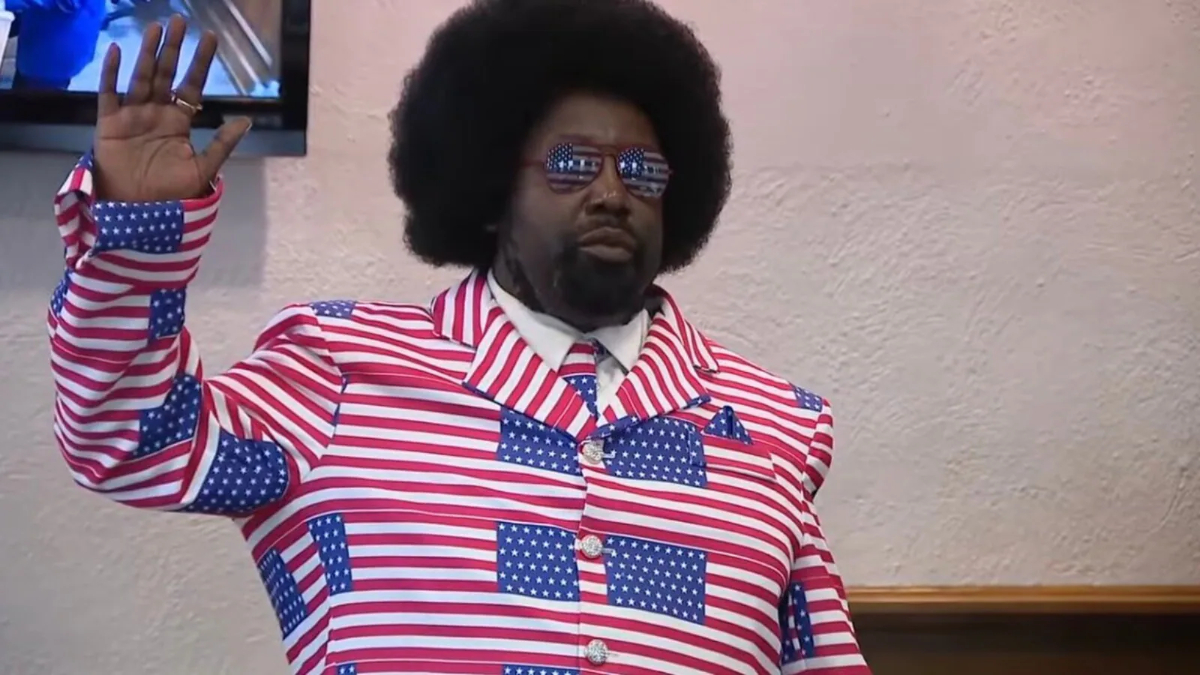
New Delhi, March 19, 2026: The legal battle between Grammy-nominated rapper Afroman and the Adams County Sheriff’s Office has reached a dramatic conclusion. In a trial that tested the boundaries of the First Amendment and artistic parody, a jury ruled in favor of the rapper, born Joseph Foreman, on Wednesday evening, March 18, 2026.
One of the most intense moments of the proceedings involved Deputy Lisa Phillips, a veteran officer whose emotional testimony and breakdown in court became a focal point of the “Licc’em Low Lisa” video controversy.
Who is Lisa Phillips?
Lisa Phillips is a deputy with the Adams County Sheriff’s Office in Ohio. She was one of the seven law enforcement officers who participated in a high-profile raid on Afroman’s residence in August 2022. The raid was conducted under a warrant for suspected drug trafficking and kidnapping; however, the search yielded no illegal substances, and no charges were ever filed against the rapper.
Phillips became a central figure in the subsequent lawsuit because she was specifically targeted in Afroman’s retaliatory creative works. She sought $1.5 million in damages, the highest amount among the seven plaintiffs, claiming the rapper’s content caused her severe emotional distress and professional harm.
The “Licc’em Low Lisa” Controversy
Following the raid, Afroman used his home security footage to create a series of “diss tracks” and music videos mocking the officers. While the song “Lemon Pound Cake” became a viral hit for mocking an officer eyeing a snack in his kitchen, the track “Licc’em Low Lisa” was far more personal.
- The Content: The 13-minute video and related social media posts allegedly used innuendos to mock Phillips’ appearance, gender, and sexuality.
- The Testimony: During the trial, Phillips broke down in tears as the music video was played for the jury. She testified that the video subjected her to relentless community ridicule, personal threats, and “derogatory” accusations that made it difficult to perform her duties.
- The Defense: Afroman’s legal team argued that as a public official performing a government-sanctioned raid, Phillips was subject to public criticism. They maintained that the lyrics were over-the-top parody protected by free speech laws.
The Trial Verdict: A Victory for Free Speech
After three days of testimony at the Adams County Common Pleas Court, the eight-person jury delivered a “defense verdict,” clearing Afroman of all counts of defamation, invasion of privacy, and intentional infliction of emotional distress.
Key Arguments in the Case
| Party | Core Argument |
| The Deputies | Argued that Afroman used their “personas” for commercial profit and subjected them to “humiliation and loss of reputation.” |
| Afroman | Testified that the raid was a “mistake” and traumatized his children. He claimed he used his art to pay for the property damage caused by the police. |
| Legal Standing | The ACLU supported Afroman, stating that the lawsuit threatened the right to criticize government actors. |
Outside the courthouse, Afroman celebrated the win, shouting, “Freedom of speech! We did it, America!” while wearing a patriotic red, white, and blue suit—the same outfit he wore during his testimony.
Why the Case Matters
This verdict sets a significant precedent for digital-age satire. It underscores the protection granted to artists who use public record footage—even when that footage is recorded on private property—to criticize law enforcement. While the emotional impact on officers like Lisa Phillips was evident in court, the jury ultimately decided that the right to mock and criticize public figures outweighs the individual claim to “privacy” during a public raid.