

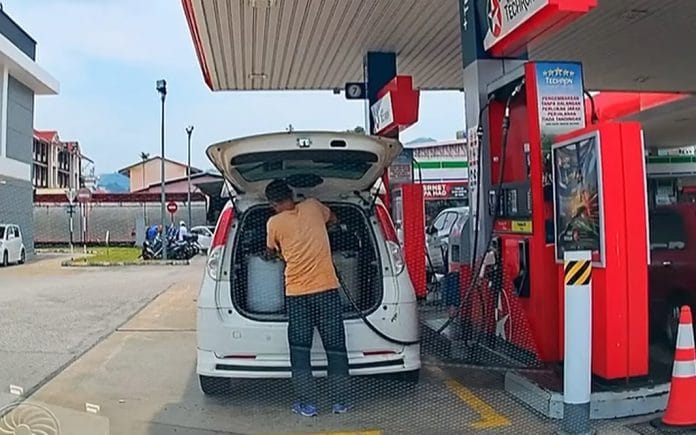
New Delhi, March 25, 2026: A significant wave of digital speculation and initial public outcry has been addressed by the Ministry of Domestic Trade and Cost of Living (KPDN) following a thorough investigation into a recent viral incident. In the video, which gained massive traction across social media on March 24, 2026, a person was observed filling a large container with subsidized RON95 petrol at a local station. It is noted that the footage was widely shared by netizens who suspected a breach of national fuel subsidy regulations. However, it is reported by federal authorities that the transaction was entirely legal and conducted under the strict guidelines of the “Special Permit” system.
The Mechanics of the Special Permit System
The specifics of the investigation were meticulously detailed by the KPDN Director-General in an official press briefing released on March 25, 2026. It is observed in the ministry’s findings that the individual involved was in possession of a valid permit issued for small-scale industrial and agricultural use. It is reported by several digital observers that these permits are granted to entrepreneurs and farmers who require fuel for machinery that cannot be driven to a petrol station, such as grass cutters, chainsaws, or water pumps. The visual of the container being filled has been clarified as a legitimate fulfillment of a government-approved quota rather than an act of subsidy hoarding.
Also Read: Kunal Kohli Slams “Fake Collections” Amid Dhurandhar Box Office Success
Addressing the Public Misconception
A massive conversation regarding “vigilante reporting” and “subsidy sensitivity” has been ignited by this digital revelation. It is frequently mentioned by ministry officials that while public vigilance is encouraged, it is essential that the presence of a permit be verified before conclusions are drawn. It is noted that the station operator had already verified the individual’s digital permit via the KPDN portal before the pumping began. Thousands of analytical comments have been left by netizens who expressed relief that the system’s integrity remained intact, while others highlighted the need for better public awareness regarding the legal exceptions to the “no container” rule.
Impact on 2026 Enforcement Strategies
The impact of this viral event has extended beyond a single clarification to influence a broader discussion on the 2026 “Smart Subsidy” monitoring framework. It is observed that the KPDN is now considering the implementation of visible “Permit Holder” identifiers at petrol pumps to prevent future misunderstandings and unnecessary social media shaming. A renewed sense of interest in the digital application process for fuel permits has been observed among small business owners who rely on subsidized RON95 for their livelihoods. It is believed that the viral nature of this specific “Clarification Case” will prompt a dialogue on how technology can bridge the gap between enforcement and public perception.
A Stark Reminder of Procedural Transparency
As the official statement continues to circulate in late March 2026, it serves as a powerful and resilient reminder that appearances can often be deceiving in the age of instant viral news. It is believed that the account of the “Permitted Petrol Filling” will remain a primary highlight of the month’s most discussed and socially relevant policy features. The legacy of this viral event is expected to be a heightened public awareness regarding the complexities of subsidy management in Malaysia. Until a fully automated verification system is deployed at every pump, this case remains a stark testament to the importance of waiting for official facts before hitting the share button.