

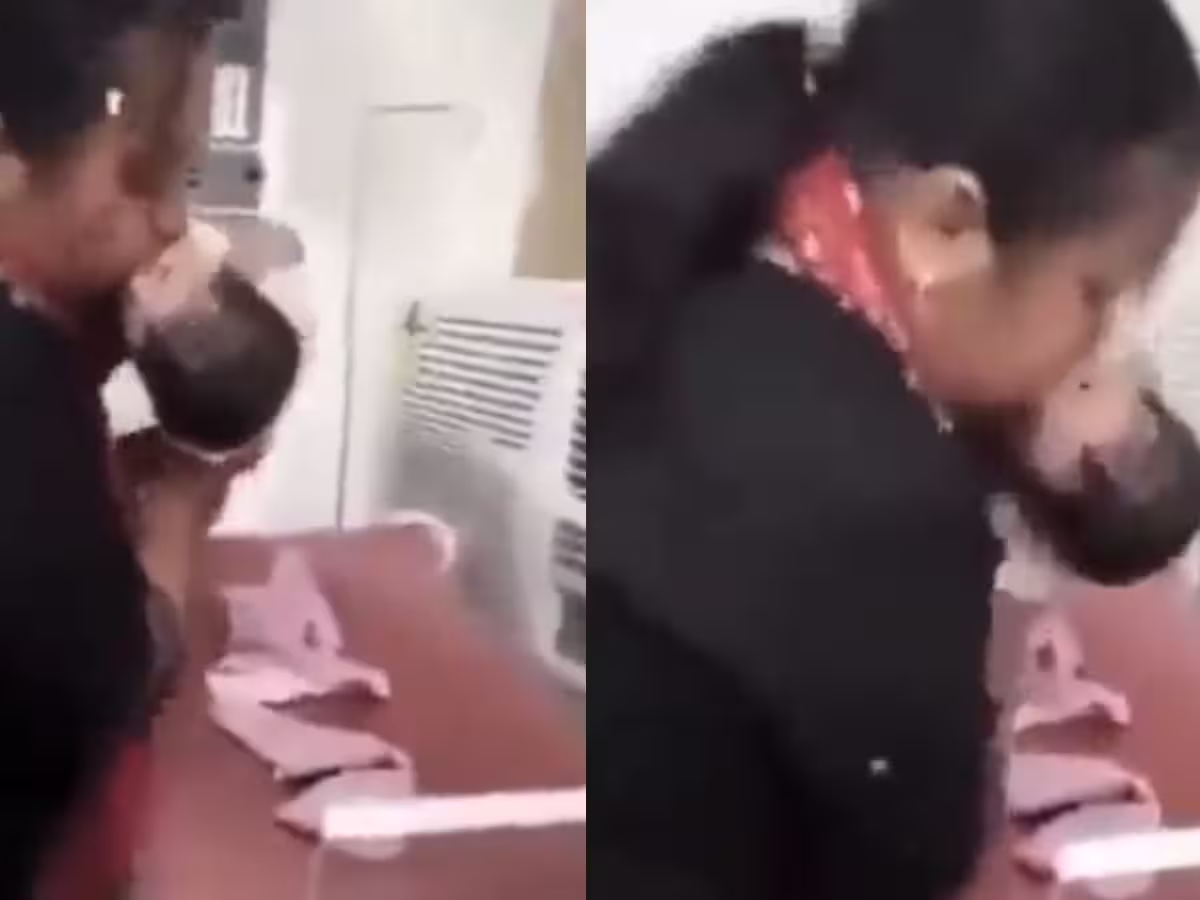
New Delhi, March 26, 2026: A significant wave of digital concern and professional scrutiny has been triggered across the medical community following the emergence of a highly popular “newborn resuscitation” video. In the footage, which gained massive traction on March 24, 2026, a bystander was observed performing rapid chest compressions and breaths on a seemingly lifeless infant. It is noted that while the video was shared as a “miraculous save,” many pediatricians have pointed out severe deviations from established medical protocols. This startlingly inaccurate demonstration has been widely shared as a primary example of how viral health “hacks” can inadvertently put lives at risk.
The Mechanics of the Protocol Breach
The specifics of the video were meticulously analyzed by emergency specialists who observed several critical errors in the rescuer’s technique. It is reported by several digital observers that the depth of the chest compressions was far too shallow, and the rate was dangerously inconsistent with the 2026 American Heart Association (AHA) guidelines. It is observed in the viral reports that the rescuer failed to properly support the infant’s neck or clear the airway before beginning the procedure. The visual of such a delicate life being handled with improper force has provided a grounding narrative for the collective warning issued by medical boards globally.
Also Read: “Blinkit Boy” Standing Still for Hours Sparks Zombie Drug Fears
Doctors Warn Against “Imitation Risks”
A massive conversation regarding “medical misinformation” and “bystander accountability” has been ignited by the fear that parents might attempt to mimic these incorrect techniques in a real emergency. It is frequently mentioned by pediatric intensivists that performing CPR “not as per protocol” can lead to internal injuries, such as rib fractures or liver damage, in newborns. Thousands of analytical comments have been left by medical professionals who stressed that infant resuscitation requires specialized training that cannot be replaced by a sixty-second social media reel. The act is being widely discussed as a sobering reminder that in a life-or-death situation, accuracy is just as important as speed.
Impact on the 2026 Public Health Literacy
The impact of this viral event has extended beyond a single warning to influence a broader discussion on the 2026 “Verified Health” movement. It is observed that major social media platforms are now being urged to add “Medical Context” labels to videos depicting emergency procedures. A renewed sense of interest in certified Basic Life Support (BLS) courses has been observed among new parents as a direct result of the controversy. It is believed that the viral nature of this specific “Newborn CPR” video will prompt a dialogue on the necessity of consulting professional healthcare providers rather than unverified digital “influencers” for life-saving advice.
A Stark Reminder of Training Value
As the footage continues to accumulate views and critiques in late March 2026, it serves as a powerful and resilient reminder that some skills are too vital to be learned from a casual scroll. It is believed that the account of the “CPR Protocol Controversy” will remain a primary highlight of the month’s most discussed and socially critical health news features. The legacy of this viral event is expected to be a heightened public awareness regarding the existence of standardized, evidence-based medical techniques. Until a formal correction is issued by the video’s creator, this clip remains a stark testament to the fact that when it comes to a newborn’s life, there is no substitute for professional protocol.