

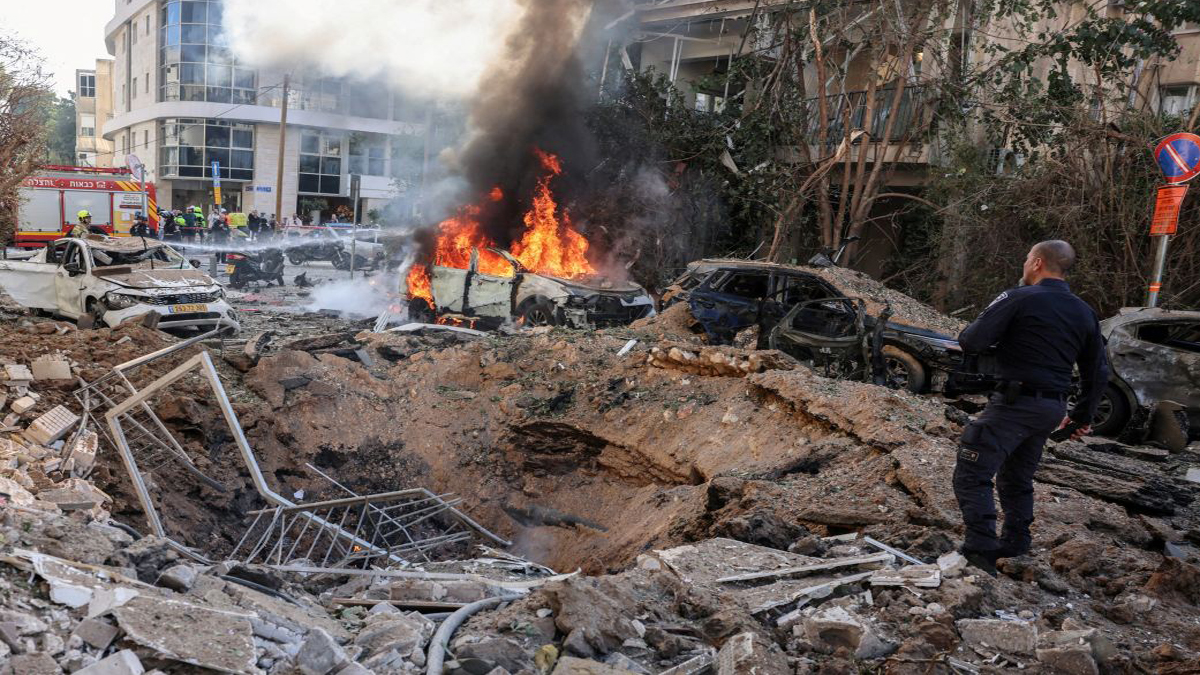
New Delhi, March 28, 2026: Exactly one month ago, the Middle East—and the global energy market—was thrust into an unprecedented era of direct confrontation. What began on February 28, 2026, as a lightning strike dubbed Operation Epic Fury has evolved into a high-stakes military and economic showdown between the United States, Israel, and the Islamic Republic of Iran.
As of late March 2026, the smoke from missile batteries has yet to clear, and the ripples of this conflict are being felt from the boardrooms of Wall Street to the volatile waters of the Strait of Hormuz. Here is a comprehensive look at the month that reshaped the region.
The Opening Salvo: February 28
The conflict ignited with a massive, coordinated air campaign by U.S. and Israeli forces. Unlike previous “shadow wars,” this was a direct assault on the heart of the Iranian state.
- The Decapitation Strike: In the initial hours, precision strikes in Tehran targeted the highest levels of the Iranian leadership. Reports confirmed the death of Supreme Leader Ayatollah Ali Khamenei, a seismic event that instantly destabilized the regime’s internal power structure.
- Infrastructure Targets: Nearly 900 strikes were recorded in the first 12 hours, focusing on ballistic missile silos, IRGC command centers, and nuclear-related facilities like the Natanz enrichment plant.
- Civilian Toll: The intensity of the bombardment led to significant collateral damage, including a tragic strike near a school in Hormozgan province, which drew sharp international condemnation.
The Regional Firestorm: Week 2 & 3
Iran’s retaliation was swift and “horizontal,” designed to make the war too costly for the U.S. and its allies to sustain.
- Retaliatory Barrages: Hundreds of Iranian drones and ballistic missiles were launched at U.S. military installations across Bahrain, Jordan, Kuwait, and Qatar. Tel Aviv and other Israeli hubs faced consistent sirens as the Iron Dome and Arrow systems were pushed to their limits.
- The Lebanon Front: Hezbollah entered the fray on March 2, opening a northern front for Israel. This triggered an escalation in southern Lebanon, causing mass displacements and turning the border into a scorched-earth combat zone.
- Assassinations Continue: On March 17, another major figure, Ali Larijani—often seen as a pragmatic bridge-builder—was killed in a strike, further narrowing the possibilities for a diplomatic off-ramp.
The Hormuz Showdown: An Economic Stranglehold
Perhaps the most globally significant development occurred at sea. Iran’s naval strategy shifted from harassment to a functional blockade of the Strait of Hormuz.
“The Strait is closed only to enemies,” stated Iranian Foreign Minister Abbas Araghchi, as Tehran began demanding “transit fees” and enforcing a selective blockade.
The impact was immediate:
- Oil Shock: With 20% of the world’s oil passing through this artery, global crude prices surged. Financial markets suffered their worst weeks since the 2008 crisis.
- Maritime Tolls: In late March, the Iranian Parliament began drafting a bill to formalize “security fees” for vessels transiting the Gulf—a move the U.S. and G7 allies have labeled “maritime piracy.”
- The “Present”: In a bizarre diplomatic twist on March 26, President Donald Trump claimed Iran allowed 10 oil tankers to pass as a “present” to signal they were serious about a 15-point peace proposal sent via Pakistani mediators.
Current Status: Diplomacy in the Shadow of War
As we hit the 30-day mark, the conflict sits at a precarious crossroads.
| Metric | Estimated Impact (As of March 28) |
| Military Deaths | 6,000+ (Iran/Proxies), 15+ (USA), 4+ (IDF) |
| Economic Cost | $18B+ for U.S. military operations alone |
| Energy Impact | Widespread rationing in parts of Asia; $120+ per barrel |
| Leadership | Mojtaba Khamenei appointed as new Supreme Leader |
The Endgame: While Secretary of State Marco Rubio expressed hope that operations would conclude in “weeks, not months,” the ground reality remains volatile. The U.S. has proposed a ceasefire linked to Iran abandoning its nuclear program and reopening the Strait, but Tehran’s new leadership continues to emphasize “resistance.”
The “Month of Fire” has proved one thing: the old status quo in the Middle East is gone. Whether the next month brings a fragile peace or a wider global conflagration depends entirely on the negotiations currently happening behind closed doors in Islamabad and Doha.