

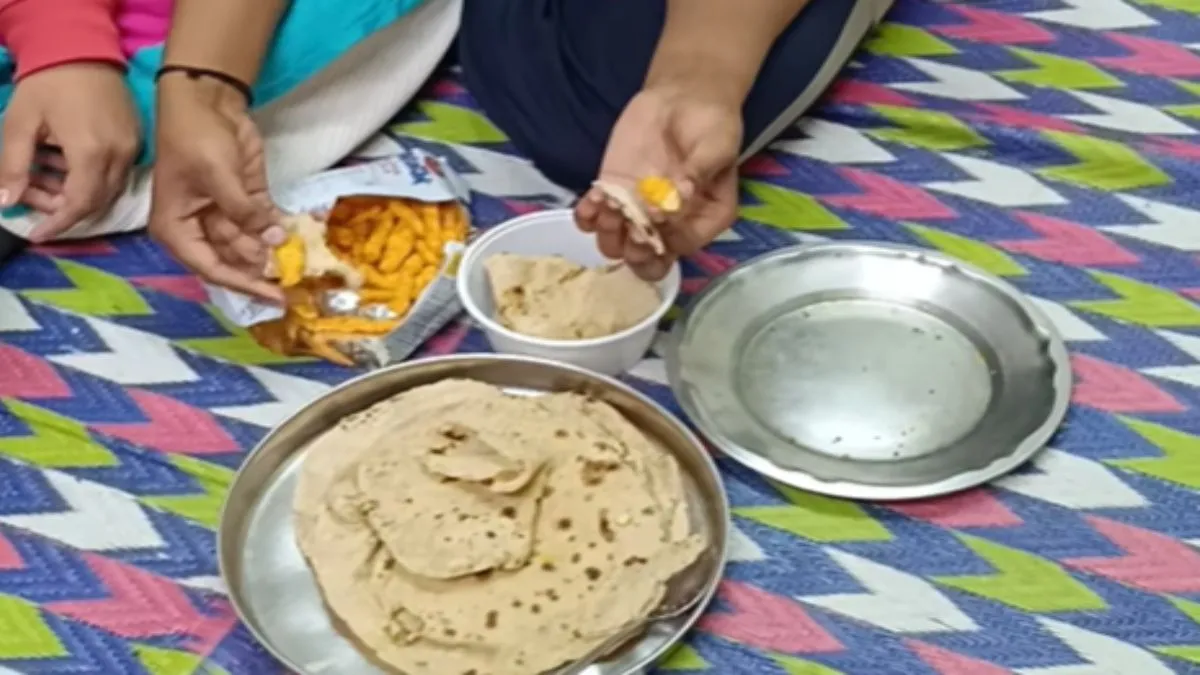
New Delhi, March 31, 2026: A controversial new wave of content has taken over social media feeds, leading to the coining of the term “Social Media Wali Gareebi” (Social Media Poverty). The footage, which has been trending throughout late March 2026, typically depicts influencers or content creators intentionally dressing in tattered clothes or filming in dilapidated settings to evoke sympathy. In these viral clips, the “truth” behind the struggle is often revealed to be a calculated performance designed to manipulate the platform’s algorithms and trigger an emotional response from unsuspecting viewers.
The most recent viral video to spark this debate features a creator who was seen filming a “struggling” scene in a slum area, only to be caught on a secondary camera walking back to a luxury SUV parked just a block away. It is argued by critics that this “poverty cosplay” is being used as a shortcut to gain followers and monetize the empathy of the digital audience. The sight of a perfectly manicured hand holding a dirty prop for a “sad reel” has become a symbol of the growing disconnect between digital storytelling and ground reality.
The Ethics of “Poverty Porn” for Likes
The reaction from the digital community has been one of sharp condemnation mixed with a demand for authenticity. It is observed by many netizens that while genuine stories of hardship deserve a platform, the fabrication of poverty for “likes” devalues the real struggles of those living below the poverty line. On platforms like X and Instagram, users have started using the hashtag #FakePoverty to call out creators who use “emotional bait” to boost their engagement metrics. The passive consumption of such content is being challenged by viewers who are now more skeptical of “too-perfect” tragic narratives.
The impact of this trend has prompted a wider discussion about “Poverty Porn”—the practice of exploiting poor conditions to generate entertainment or profit. It is noted by social media analysts that these videos often follow a predictable script: sad background music, slow-motion shots of “suffering,” and a final plea for shares or donations. The concern is that when fake poverty goes viral, it creates a “boy who cried wolf” scenario, where people who are in actual need of help are ignored because the audience has become desensitized by scripted performances.
Also Read: The Inspiring Rise of a Driver’s Son in Vijay’s TV
A Call for Digital Honesty and Responsibility
Following the backlash, some creators have attempted to justify their videos as “social experiments” or “awareness campaigns.” However, it is reported that most viewers find these explanations to be a convenient cover-up for failed attempts at gaining fame. Authorities and platform moderators have been urged by the public to implement stricter “misleading content” labels for videos that portray fabricated life situations as reality. The passive acceptance of these “poverty reels” is slowly being replaced by a more critical, investigative gaze from the global audience.
As of March 31, 2026, the “Social Media Poverty” debate remains a top trending topic, serving as a cautionary tale for the creator economy. While the allure of a viral moment is strong, the long-term cost of losing an audience’s trust is far higher. For now, the story of “Social Media Wali Gareebi” stands as a reminder: in a world full of filters and staged sets, the most valuable currency remains the simple, unvarnished truth.