

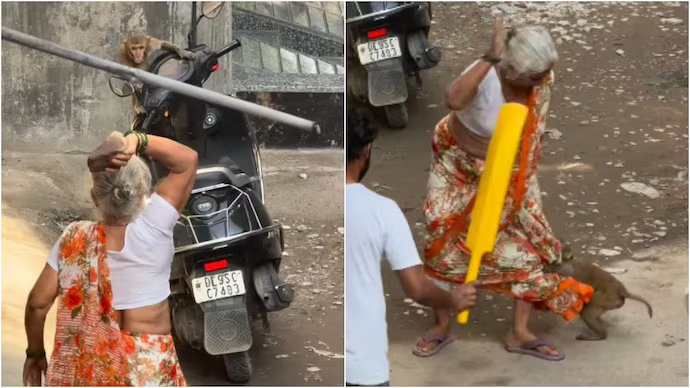
New Delhi, April 2, 2026: A dramatic video of a direct confrontation between an elderly woman and a monkey has taken social media by storm, serving as a stark reminder of the unpredictable nature of human-wildlife interactions. The footage, which began trending on April 1, 2026, depicts a woman in a Delhi neighborhood attempting to shoo away a monkey by hurling a stone at it. The “truth” behind the viral sensation was revealed when the animal, instead of fleeing, was observed launching a swift and aggressive counter-attack, lunging at the woman and grabbing her clothing.
The interaction was observed to have escalated further when a bystander handed the woman a stick, which she then used in another attempt to strike the primate. In the viral clip, which has already amassed over 133 million views, the monkey is seen responding with increased hostility, refusing to back down despite the interference of other locals. This “tit-for-tat” struggle has been described by viewers as both terrifying and a cautionary tale about the consequences of provoking urban wildlife.
Defensive or Aggressive? The Story Behind the Stalking
The reaction from the digital community has been deeply divided, with many questioning the wisdom of the woman’s actions. It is argued by wildlife experts that primates often perceive direct eye contact and the throwing of objects as a challenge or an act of aggression, triggering a natural defensive response. On platforms like Instagram and X, the footage—originally shared by user Vishal Kashyap—has prompted a surge in the hashtag #MonkeyAttack as users debate whether the animal was simply protecting its territory or acting out of pure malice.
The impact of the video has been heightened by the release of additional context from the original poster, which shows the same monkey causing a disturbance inside a local shop. It is noted that the animal was observed tearing apart food packets and resisting efforts by shopkeepers to push it out. This backstory suggests that the monkey may have already been in a “high-stress” state before the encounter with the elderly woman, leading to the explosive reaction seen in the viral snippet.
Also Read: BSF Jawan’s Humorous Response to Pakistan Ranger
Urban Conflict: The Growing Struggle for Space
Following the viral spread of the confrontation, several environmental activists have pointed to the diminishing habitats in urban centers like Delhi as a primary cause for such incidents. It is reported that as traditional food sources disappear, monkeys are being forced into closer proximity with humans, leading to more frequent and violent clashes. The passive role of city management—who are often slow to respond to reports of “monkey menace”—is being challenged by residents who are calling for more professional wildlife relocation services.
As of the morning of April 2, 2026, the “Delhi Monkey Attack” remains a top trending topic in the news and viral categories. While the woman was fortunately rescued by bystanders before sustaining serious injuries, the video stands as a digital reminder: the animals we live alongside are not pets, and a single stone can quickly turn a quiet afternoon into a dangerous struggle. For now, the story serves as a reminder to respect the boundaries of urban wildlife, even when they overstep ours.