

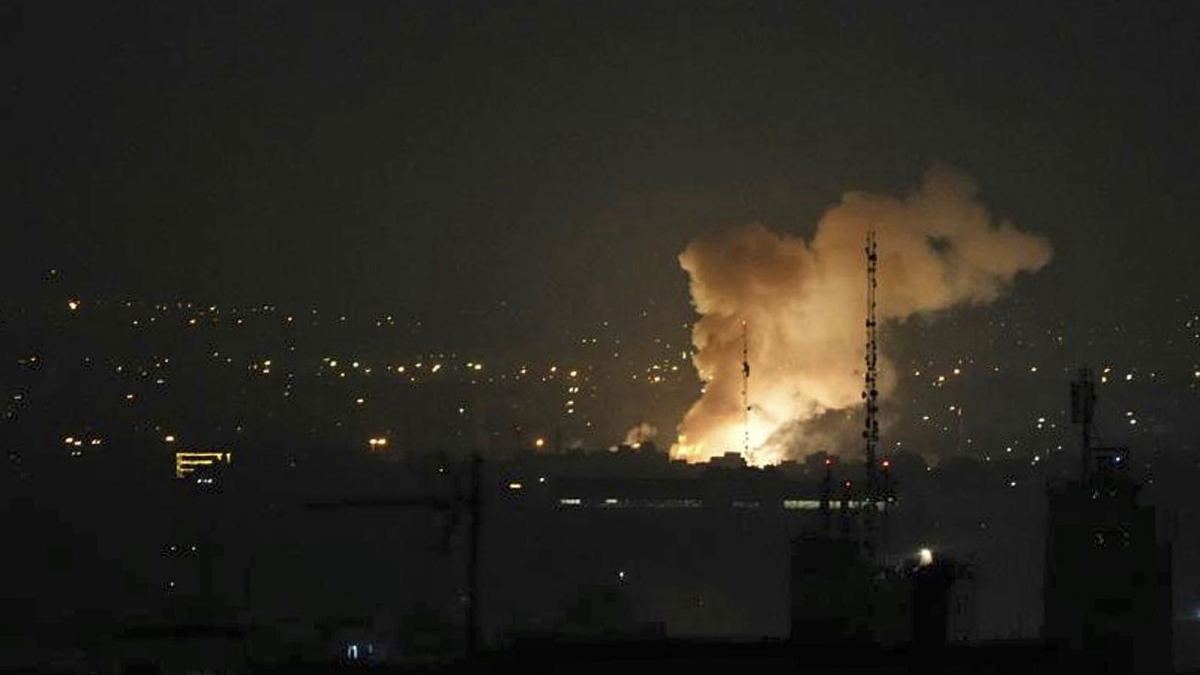
New Delhi, April 3, 2026— The Middle East is currently facing its most perilous moment in decades as the trilateral conflict between the United States, Israel, and Iran enters a high-intensity phase. Following weeks of tit-for-tat strikes, the confrontation has morphed into a multi-front regional war, leaving diplomatic efforts in tatters and millions of civilians caught in a deepening humanitarian catastrophe.
The Escalation: A Cycle of “Crushing” Strike
The current spike in hostilities reached a fever pitch on April 2, 2026, when U.S. President Donald Trump confirmed the destruction of one of Iran’s most critical pieces of infrastructure—the B1 bridge, the nation’s tallest. The strike, centered in the Alborz Province, reportedly killed eight people and wounded nearly 100 others. This followed a stern warning from Washington that the U.S. was prepared to “finish the job” if Iranian regional aggression did not cease.
In response, the Islamic Revolutionary Guard Corps (IRGC) has vowed “crushing” retaliation. Over the last 48 hours:
- Iran has targeted U.S.-linked assets across the Gulf, claiming strikes on data centers in Dubai and Bahrain.
- The IDF reported over 400 strikes within Iranian territory targeting missile production facilities and air defense systems.
- Houthi rebels in Yemen have intensified missile attacks on commercial shipping, further choking the Strait of Hormuz, a vital artery for global energy.
The Humanitarian Toll: Displacement and Despair
While the military hardware dominates the headlines, the human cost is reaching “catastrophic” levels, according to UN observers.
Lebanon’s Crisis
In Lebanon, the conflict has uprooted more than 1.2 million people—roughly one-fifth of the population—in just the last month. Families are seeking refuge in overcrowded schools, stadiums, and informal camps. The destruction of key bridges in southern Lebanon has isolated over 150,000 residents, cutting them off from essential food and medical aid.
Gaza and the West Bank
The situation in Gaza remains dire, with infrastructure almost entirely decimated. Humanitarian agencies report that aid delivery has slowed to a trickle due to the widening regional combat, which has diverted resources and closed essential supply routes.
Global Economic Shockwaves
The conflict is no longer contained within Middle Eastern borders. The instability has sent shockwaves through global markets:
- Energy Prices: U.S. crude surged by over 11%, reaching approximately $111.54 per barrel. Brent crude followed a similar upward trajectory as fears grow over a total blockade of the Strait of Hormuz.
- Trade Logistics: Major shipping companies are rerouting vessels around the Cape of Good Hope, adding weeks to delivery times and driving up the cost of consumer goods globally.
The Geopolitical Standoff
The U.S. and Israel have framed their operations, such as “Operation Epic Fury” and “Operation Roaring Lion,” as a necessary campaign to dismantle Iran’s nuclear program and curb its regional proxies. However, the international community is deeply divided.
While some Western allies provide defensive support, many regional powers have declined to participate in offensive operations, fearing a total collapse of regional stability. The UN Security Council remains deadlocked, recently postponing a vote on a resolution that would authorize “defensive force” to protect shipping in the Gulf.
“The way out consists of de-escalation and a return to the path of diplomacy,” stated an international spokesperson, echoing the sentiments of neutral nations currently acting as intermediaries.
As of April 3, 2026, the world watches with bated breath. With the U.S. deadline for Iran to reopen the Strait of Hormuz looming on April 6, the window for a diplomatic solution is closing, leaving the region on the precipice of an all-out, era-defining war.