

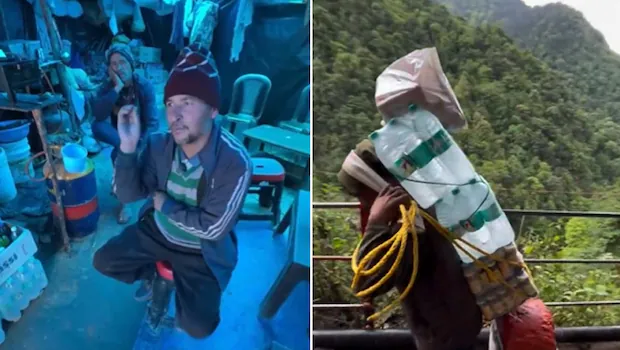
New Delhi, April 25, 2026: A thought-provoking video featuring a local shopkeeper at the Kedarnath Dham has surfaced as a major talking point across social media today, April 25, 2026. The footage, which was recorded during the ongoing Char Dham Yatra, depicts a calm dialogue between a pilgrim and a vendor regarding the high cost of essential goods. The “truth” behind the viral clip clarifies why a standard bottle of water is being sold for $Rs 80$ to $Rs 100$ at the high-altitude shrine, nearly five times its maximum retail price in the plains.
The interaction was observed to have been captured by a traveler who questioned the steep markup on basic drinking water. In the viral video, the shopkeeper is seen explaining the grueling logistical journey required to bring supplies to an elevation of nearly 11,000 feet. This “perspective-shifting” conversation has been described by viewers as a necessary look into the hidden costs of mountain tourism, where the physical labor of porters and mules adds significantly to the final price tag of every item.
The Hidden Journey: Why Logistics Dictate the Price
The reaction from the digital community has been surprisingly empathetic, with the video amassing over 5 million views as users discuss the realities of the Himalayan terrain. It is argued by local residents that goods are transported via mules or manual labor over a 22-kilometer uphill trek from Gaurikund. In the footage, the vendor calmly breaks down the expenses, noting that the cost of “khachchar” (mule) transport and the high rent of seasonal shops must be recovered through these sales. On platforms like X and Instagram, the story has prompted a surge in the hashtag #KedarnathEconomy as pilgrims share their own observations of the difficult supply chain.
The impact of the video has prompted a wider discussion about the sustainability of the Char Dham Yatra and the reliance on animal labor. It is noted by travel bloggers that while the price seems exploitative at first glance, the lack of motorable roads to the temple makes standard pricing impossible. The passive role of the customer—who is seen nodding in understanding after the explanation—has been cited as a positive example of how healthy communication can resolve conflicts over “tourist pricing” in sensitive ecological zones.
Also Read: Viral Video of “Aarti-Style” Mouth Freshener
Balancing Faith and Finance: The Challenges of the Shrine
Following the viral spread of the “Shopkeeper’s Explanation,” several officials from the Rudraprayag administration have reiterated that while price gouging is monitored, the unique geography of Kedarnath creates an unavoidable overhead. It is reported that many pilgrims are now being encouraged to carry reusable bottles and use the water filtration points provided by the government to reduce waste and cost. The passive wait for lower prices is being replaced by a more informed understanding of the mountain economy, where every bottle represents a massive human effort.
As of the afternoon of April 25, 2026, the “Kedarnath Water Bottle Debate” remains a top trending topic in the travel and social awareness categories. While the price remains high, the digital record of the shopkeeper’s calm demeanor serves as a permanent testimony to the resilience of the local workforce. For now, the story stands as a digital reminder: in the thin air of the Himalayas, the cost of an item is measured not just in currency, but in the sweat and steps taken to bring it to the temple gates.