

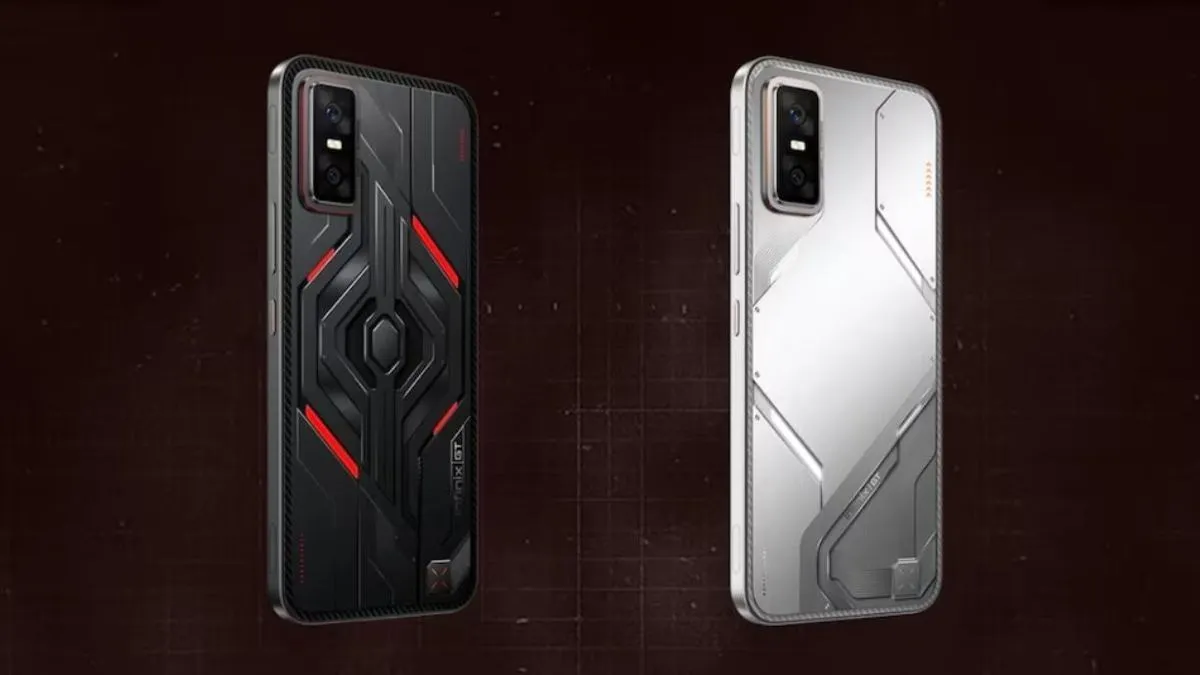
New Delhi, April 25, 2026: The mobile gaming landscape has just received a major shake-up. Infinix has officially pulled the curtain back on the highly anticipated Infinix GT 50 Pro, a device purpose-built to bridge the gap between premium performance and accessible pricing. Following its global announcement on April 24, 2026, the device is already generating buzz for its aggressive focus on thermal management, battery endurance, and tactile gaming controls.
For mobile gamers who have long felt forced to choose between battery longevity and raw processing power, the GT 50 Pro arrives as a compelling solution. Positioned as the flagship of the company’s new “GT Ecosystem,” this smartphone is not just another hardware refresh; it is a specialized tool designed to handle the most demanding esports titles with ease.
Performance-First Architecture: Dimensity 8400 Ultimate
At the heart of the GT 50 Pro lies the MediaTek Dimensity 8400 Ultimate, a 4nm chipset that has been optimized for sustained high-frame-rate gaming. With clock speeds reaching up to 3.25GHz and the Mali-G720 MC7 GPU, the device is built to maintain stability under pressure.
Infinix has integrated the MediaTek Frame Rate Converter (MFRC), which works to stabilize and interpolate GPU frames, ensuring that titles like Call of Duty: Mobile and Mobile Legends: Bang Bang can run at a smooth, native 144FPS. To ensure this power doesn’t result in thermal throttling—a common enemy of mobile gaming—Infinix has introduced its HydroFlow Liquid Cooling Architecture. This system utilizes a micro-pump setup that circulates coolant at a precise rate, actively drawing heat away from core components to keep the device cool even during marathon gaming sessions.
The Powerhouse: 6500mAh Battery
One of the most notable specifications of the GT 50 Pro is its massive 6500mAh battery. While many modern smartphones have standardized around 5000mAh, Infinix has pushed the envelope, recognizing that intensive gaming is the fastest way to drain a charge.
Complementing this capacity is a versatile charging suite:
- 45W Wired Fast Charging: Quick top-ups to get you back in the game.
- 30W Wireless Charging: Convenience for the desk setup.
- Bypass Charging Support: When used with the optional “GT Magcharge Cooler 2.0,” the phone can route power directly to the motherboard, skipping the battery entirely. This prevents heat buildup caused by charging while playing, effectively preserving the battery’s health over the long term.
Tactile Control: The “GT Triggers”
Perhaps the most distinctive feature of the GT 50 Pro is the inclusion of “Open-Cut Pressure-Sense GT Triggers.” These are physical, pressure-sensitive shoulder buttons built directly into the frame. Unlike simple touch-based triggers found on some devices, these offer true tactile feedback, with 10 levels of pressure sensitivity.
Gamers can map these triggers to specific on-screen actions, allowing for a console-like control scheme. Beyond gaming, the triggers are surprisingly versatile; they can be configured for system shortcuts, such as taking screenshots, screen recordings, or even launching specific apps, making them useful even when the user isn’t gaming.
Visuals and Design
The gaming-centric design extends to the aesthetics. The back of the device features “Mechanical Light Waves,” an integrated RGB lighting system that offers 14 different lighting scenarios and eight customizable colors, allowing users to personalize their device’s look.
The display is equally impressive:
- 6.78-inch 1.5K AMOLED Panel: Providing sharp, vibrant visuals.
- 144Hz Variable Refresh Rate: Ensuring smooth motion for both gaming and UI navigation.
- 4500 Nits Peak Brightness: Ensuring the screen remains visible even under direct sunlight.
- 2304Hz PWM Dimming: A thoughtful inclusion that helps reduce eye strain during long periods of screen time.
Camera and Utility
While the GT 50 Pro is built for performance, it doesn’t neglect photography. It features a capable dual-camera setup on the rear, headlined by a 50MP main sensor with Optical Image Stabilization (OIS) and an 8MP ultra-wide lens. For front-facing needs, it packs a 13MP camera. While not a camera-first flagship, the integration of AI-enhanced image processing ensures it is more than capable of capturing high-quality social media content and crisp video calls.
The Verdict
The Infinix GT 50 Pro arrives at a time when the “budget gaming” segment is becoming increasingly crowded. However, by focusing on a specific niche—gamers who demand physical triggers, sustained thermal performance, and exceptional battery life—Infinix has crafted a device that feels unique.
Whether it becomes the “go-to” phone for the esports crowd remains to be seen as it hits markets worldwide, but on paper, the GT 50 Pro is a formidable entry. With an expected competitive pricing structure, it is poised to offer a level of performance-per-dollar that will be hard for competitors to ignore.