

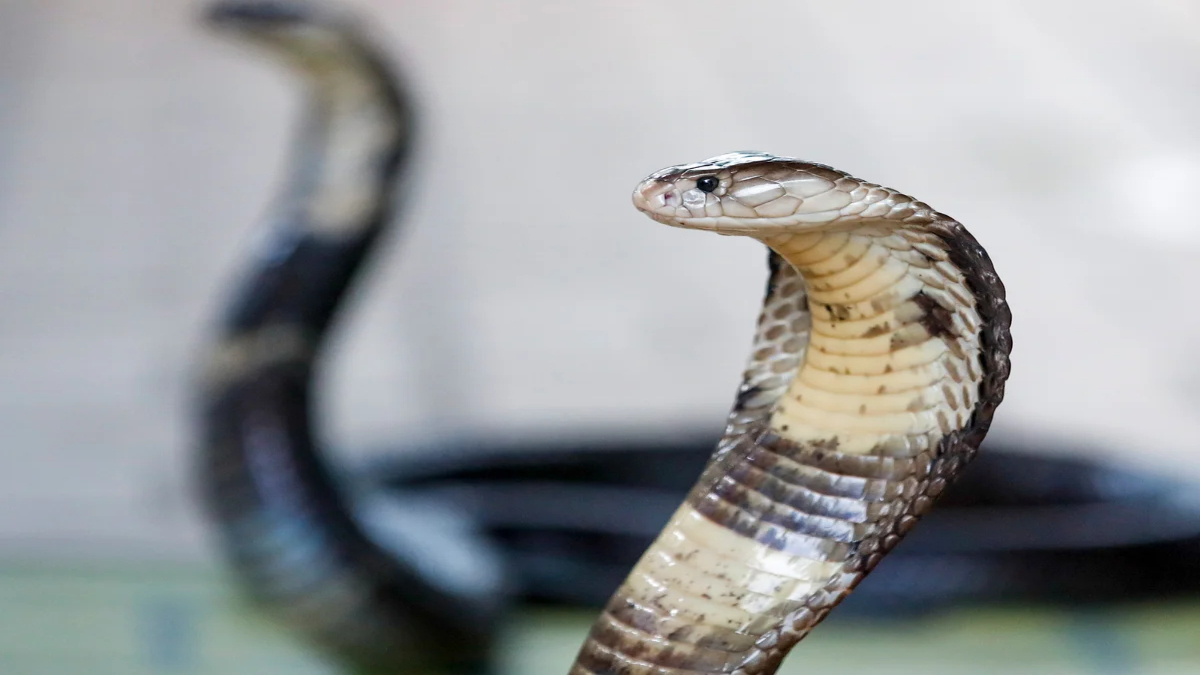
New Delhi, April 28, 2026 – A tragic incident in the Egyptian resort town of Hurghada has resulted in the death of a 57-year-old German tourist, authorities confirmed this week. The man, who was on a family holiday, died after being bitten by a snake—believed to be a cobra—during a “snake charming” performance at a local hotel.
The event has sent shockwaves through the travel community and raised serious questions regarding the safety standards of live animal entertainment in tourist destinations.
The Incident: What Happened
According to reports from German police in the Bavaria region, the victim was attending an entertainment show at his hotel in Hurghada early in April. The performance involved a handler presenting two snakes, which were reportedly draped over the necks of various audience members.
In a move that proved fatal, the handler allowed one of the snakes to crawl into the tourist’s trousers. The reptile subsequently bit the man in the leg. Almost immediately, the victim exhibited “clear signs of poisoning” (envenomation).
Witnesses and emergency responders attempted to resuscitate the man at the scene before rushing him to a local hospital. Despite the intervention, the severity of the venomous bite proved too much, and the man passed away shortly after admission.
Ongoing Investigation
While the incident took place in Egypt, the death has sparked a cross-border investigation. Police and prosecutors in the Unterallgäu district of Bavaria, where the victim resided, are currently looking into the circumstances surrounding his death. They are coordinating with Egyptian counterparts and are awaiting the results of toxicology tests to confirm the nature of the venom and the cause of death.
When approached for comment by international news agencies, Egyptian authorities noted that they were not initially aware of the specific incident, suggesting a potential delay or breakdown in reporting protocols between the hotel management and local officials.
Understanding the Risks of “Snake Charming”
This tragedy serves as a harrowing reminder that wild animals, particularly venomous species like cobras, are inherently unpredictable. What is often marketed as a cultural performance or “snake charming” is, in reality, a high-stakes encounter with dangerous wildlife.
The Myth of the “Charmer”
Snake charming is a historical practice, but the science behind it is widely misunderstood.
- No Hypnosis: Contrary to popular belief, snakes do not “dance” to music. They lack the ears to hear the pitch of the pungi (the flute-like instrument used). Instead, they respond to the movement and vibrations of the instrument, treating it as a perceived threat.
- Defensive Reactions: A snake’s upright posture and “dance” are strictly defensive behaviors. When a handler moves the instrument, the snake is tracking the movement because it is stressed and prepared to strike.
The “Safety” Fallacy
Many tourist performances claim to be safe, sometimes utilizing methods that are unethical and unreliable:
- Venomoid Surgery: In some instances, handlers may surgically remove venom glands or fangs. However, these procedures are often performed under unsterile conditions, leading to infection. Furthermore, these methods are not always permanent; venom glands can regrow or regenerate, and fangs often regrow within weeks.
- Drug Usage: Some animals are kept in states of lethargy through dehydration, starvation, or drug administration to make them appear docile. This is animal abuse and does not guarantee that the snake will not bite if sufficiently threatened.
- The “Trick” is the Danger: Placing a venomous snake inside a person’s clothing removes any distance buffer. A snake feels threatened when it is confined or restricted—putting a cobra in a trouser leg is a recipe for a defensive strike.
A Serious Caution for Travelers
Travelers often seek unique, local experiences, but this incident underscores the vital importance of exercising caution when animal interaction is involved.
1. Avoid Unregulated Animal Encounters
If an attraction involves handling wild, potentially venomous animals (snakes, scorpions, spiders), the best advice is to opt out. Regardless of how calm an animal appears, the biological instincts of the creature are beyond the control of a “charmer.”
2. Prioritize Ethical Tourism
Reputable wildlife tourism operators adhere to strict safety guidelines and animal welfare standards. If an experience feels exploitative, dangerous, or centers on an animal being forced into unnatural behavior, it is a significant red flag. Avoid venues that treat wild animals as props for photo opportunities.
3. Know Your Surroundings
In popular tourist destinations, entertainment standards can vary significantly between venues. Before participating in any show involving animals, ask yourself:
- Is this a licensed, professional zoological facility?
- Is the animal acting naturally, or is it being forced to perform tricks?
- What are the emergency protocols if something goes wrong?
Conclusion
The death of this German tourist is a heartbreaking reminder that a holiday excursion should never cost a life. While investigations continue to determine the exact sequence of events, this tragedy should serve as a stark warning to travelers worldwide: when it comes to venomous wildlife, there is no such thing as a “tame” performance. The safest distance between a tourist and a cobra is always a wide one.