
 has successfully navigated a complex consumer landscape.)
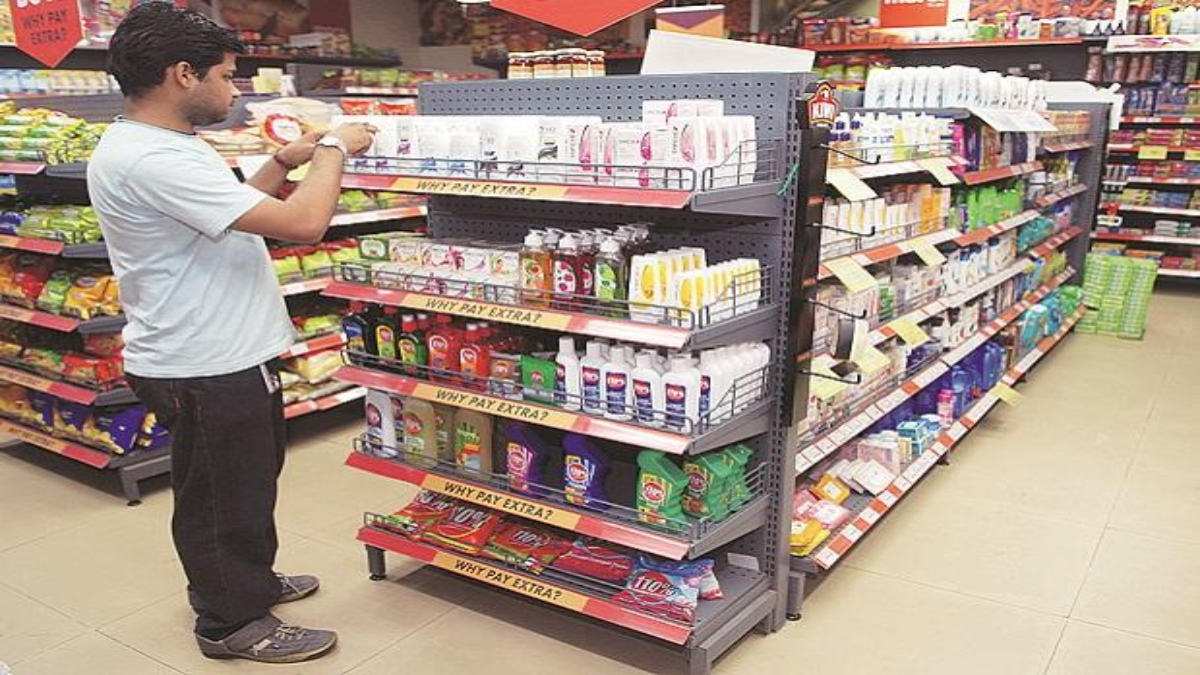
New Delhi, April 30, 2026 – In a year defined by divergent economic realities, Hindustan Unilever Limited (HUL) has successfully navigated a complex consumer landscape. As of early 2026, the FMCG giant’s strategic “pivot to premium” is yielding significant dividends, effectively cushioning the company against a mass market that remains stubbornly soft.
While rural demand is showing nascent signs of recovery, the real engine of growth for HUL has been its premium and “super-premium” portfolios. From $100$ (₹8,000+) skin serums to liquid detergents, the Indian consumer’s willingness to “trade up” has rewritten the playbook for the country’s largest consumer goods maker.
The Two-Speed Economy
HUL’s latest financial disclosures reveal a stark contrast in performance across price tiers. While the company reported a healthy Underlying Sales Growth (USG) of 5% for the December quarter of 2025, the internal mix tells a more nuanced story:
- Premium Segments: Brands like Dove, Surf Excel Matic, TRESemmé, and Lakmé Absolute are growing at a brisk 15–20%.
- Mass Market: Base brands and “popular” segments (the entry-level soaps and detergents) are growing at a much more modest 3–5%.
This trend reflects a broader “K-shaped” recovery in Indian consumption. Urban, affluent consumers—fueled by rising disposable incomes and the convenience of quick commerce—are spending more on specialized products. Meanwhile, mass-market consumers, particularly in rural pockets, are still recovering from the long-tail effects of food inflation and volatile weather patterns.
Strategic Moves: Acquisitions and Innovations
HUL hasn’t just waited for the market to shift; it has actively chased the “premium rupee.” Under the leadership of CEO Priya Nair, the company has accelerated its portfolio transformation:
- Beauty & Wellbeing Acceleration: In April 2025, HUL completed the acquisition of Minimalist, a premium actives-led beauty brand. This move allowed HUL to compete directly with digital-first D2C (Direct-to-Consumer) brands that had been nibbling away at its market share.
- Home Care Revolution: The company has successfully pushed consumers from bars and powders to liquids. The liquids portfolio, led by Vim Liquid and Surf Excel Matic Liquid, grew at double digits, significantly boosting margins.
- The “Format” Play: HUL is focusing on “market development”—introducing premium formats in smaller, more accessible packs. A key example is the ₹99 Surf Excel Easy Wash pack, which allows mass consumers to trial a premium brand without the high upfront cost of a 1kg box.
The Margin Shield
The “Premium Play” isn’t just about revenue; it’s a vital shield for HUL’s bottom line. Premium products typically carry higher gross margins.
As commodity costs (like palm oil and crude derivatives) remain volatile and the Rupee faces depreciation pressures, the high-margin premium sales provide HUL with the “fuel” to reinvest in advertising and marketing. In 2025, HUL’s Brand and Marketing Investment (BMI) increased significantly, ensuring its “Power Brands” remained top-of-mind even as competitors fought for space.
“Our strategy is clear: lead the market development in emerging categories while strengthening our core. The premiumization trend is structural, not cyclical,” noted the management during the recent earnings call.
Mass Market: Is the Tide Turning?
Despite the “softness” in the mass market, HUL executives are cautiously optimistic about 2026. Several factors suggest a potential floor for the mass-market slowdown:
- Rural Recovery: Rural volume growth hit 4% in late 2025, the best in three years, supported by government disbursements (PM-Kisan) and a good rabi crop.
- Lower Inflation: Easing food inflation is finally leaving more “money in the pocket” for the average Indian household.
- GST Tailwinds: Revisions in GST rates for several daily-use items are expected to spur volume growth as manufacturers pass on benefits to consumers.
Competitive Landscape: The D2C Challenge
The road ahead isn’t without hurdles. HUL faces stiff competition in the premium space from agile D2C brands like Mamaearth, Plum, and Pilgrim. These brands have captured the imagination of Gen Z and Millennial shoppers through social media and quick-commerce platforms like Blinkit and Zepto.
HUL has responded by “digitizing” its own supply chain and expanding its Lakmé Salon footprint to build a services-led ecosystem around its beauty brands. The battle for the “urban bathroom shelf” is intensifying, and HUL is banking on its massive scale and scientific R&D to win.
Conclusion: A Focused Future
As HUL moves through 2026, the company is a leaner, more focused entity. Following the demerger of its Ice Cream business (completed in December 2025), HUL is now doubling down on Beauty, Personal Care, and Home Care.
The “Mass Market” remains the volume engine of the company, but the “Premium Play” is clearly the profit engine. By balancing these two, HUL is proving that even in a sluggish market, there is always room at the top for brands that offer superior value and innovation.
Key Data Points at a Glance
| Metric (DQ ’25) | Performance |
| Revenue Growth | 6% YoY |
| Underlying Volume Growth | 4% |
| Premium Portfolio Growth | 15–20% |
| EBITDA Margin | 23.3% |
| Dividend (March ’26) | €0.4664 per share |
Hindustan Unilever’s journey in 2026 serves as a bellwether for the Indian economy: a story of a resilient top-end, a recovering base, and a corporate giant pivotting fast enough to stay ahead of both.