

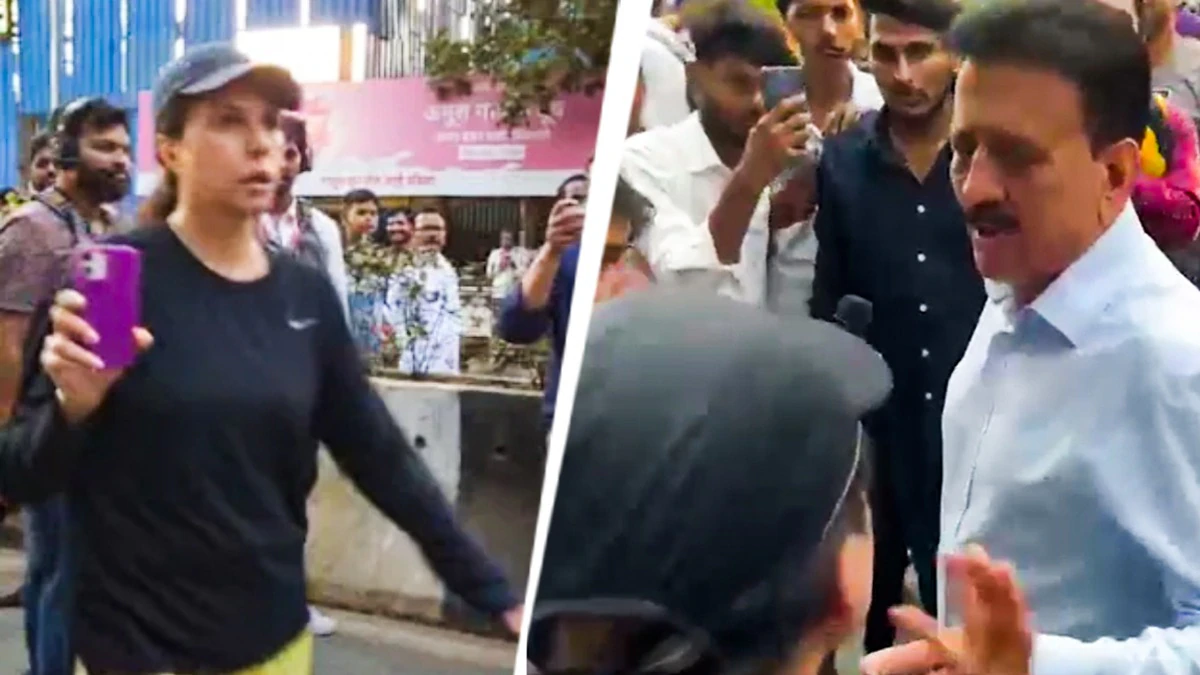
New Delhi, May 13, 2026 — In an era where workplace boundaries are increasingly becoming a flashpoint for generational debate, a 26-year-old vocal coach from Mumbai has become the latest face of the “Great Resignation” spirit in India. Dhrupadi, an employee at a prominent music ed-tech firm, chose to walk away from her position of nearly three years after a routine request for overtime compensation resulted in a public verbal assault by her employer.
The incident, which has since gone viral on Instagram with over 90,000 views, has reignited a national conversation regarding toxic management, the legality of unpaid overtime, and the evolving expectations of Gen Z and Millennial professionals.
The Breaking Point: Dignity Over a Paycheck
Dhrupadi had been with the company for two years and seven months, building a strong reputation as a dedicated mentor to students ranging from beginners to advanced vocalists. However, the friction began when she professionally requested compensation for hours worked beyond her official schedule.
According to Dhrupadi’s social media testimony, the response was neither a private meeting nor a policy explanation. Instead, she was allegedly shouted at in front of hundreds of colleagues.
“I raised concerns professionally and sought accountability and a formal apology,” Dhrupadi stated. “When that didn’t happen, I chose to resign. And honestly? I’m glad I did.”
In a video clip shared as part of her post, a voice—purportedly her manager—can be heard delivering a blunt ultimatum: “Everybody has to align to my rules and regulations. If you do not like it, please leave tomorrow. It’s completely okay.”
Dhrupadi took that advice literally. She handed in her notice shortly after, leaving behind a message that resonated with thousands: “Good luck finding my replacement.”
A Pattern of Toxicity?
The viral nature of the post has drawn out similar stories from across the Indian corporate landscape. For many, Dhrupadi’s experience is not an isolated event but a symptom of a broader “hustle culture” that often views basic labor rights, like overtime pay, as a lack of loyalty.
Key Issues Highlighted by the Incident:
- Public Humiliation: The use of “shaming” as a management tool.
- Uncompensated Labor: The expectation that “extra work” is a default requirement rather than an additional service.
- Lack of Redressal: Dhrupadi noted that she tried to handle the matter internally through proper channels before resigning, but was met with silence or further hostility.
The Social Media Firestorm
The reaction online was swift and overwhelmingly supportive. While older generations have sometimes criticized younger workers for being “fragile,” the comments on Dhrupadi’s post suggest a shift in the tide.
“Until the government brings strict laws against unpaid overtime, talent will keep leaving for opportunities overseas,” wrote one user. Another added, “Super proud of you for taking this decision. I am happy to see that you did not let them take you for granted.”
Dhrupadi herself addressed this generational shift, noting that while her generation isn’t perfect, they are becoming “less willing to trade dignity for approval.”
Expert Analysis: The Cost of a “Replaceable” Mindset
Human Resource experts suggest that the manager’s “leave tomorrow” attitude may backfire. In specialized fields like music education or tech, the cost of recruiting, onboarding, and training a replacement often far exceeds the cost of fair overtime pay.
“When a manager tells a high-performing employee that they are easily replaceable, they aren’t just hurting that individual; they are damaging the morale of the entire team,” says HR consultant Rajeev Mehra. “In 2026, talent has more platforms than ever to voice grievances. A company’s reputation can be dismantled by a single 60-second Reel.”
The Path Forward
Dhrupadi’s story serves as a cautionary tale for employers who rely on intimidation rather than inspiration. As the video continues to circulate, it stands as a digital manifesto for young professionals: work is a contract of mutual respect, not a mandate for endurance.
For the Mumbai-based ed-tech firm, the search for a new vocal coach continues. For Dhrupadi, a new chapter begins—one where her voice is heard, both in song and in the boardroom.