

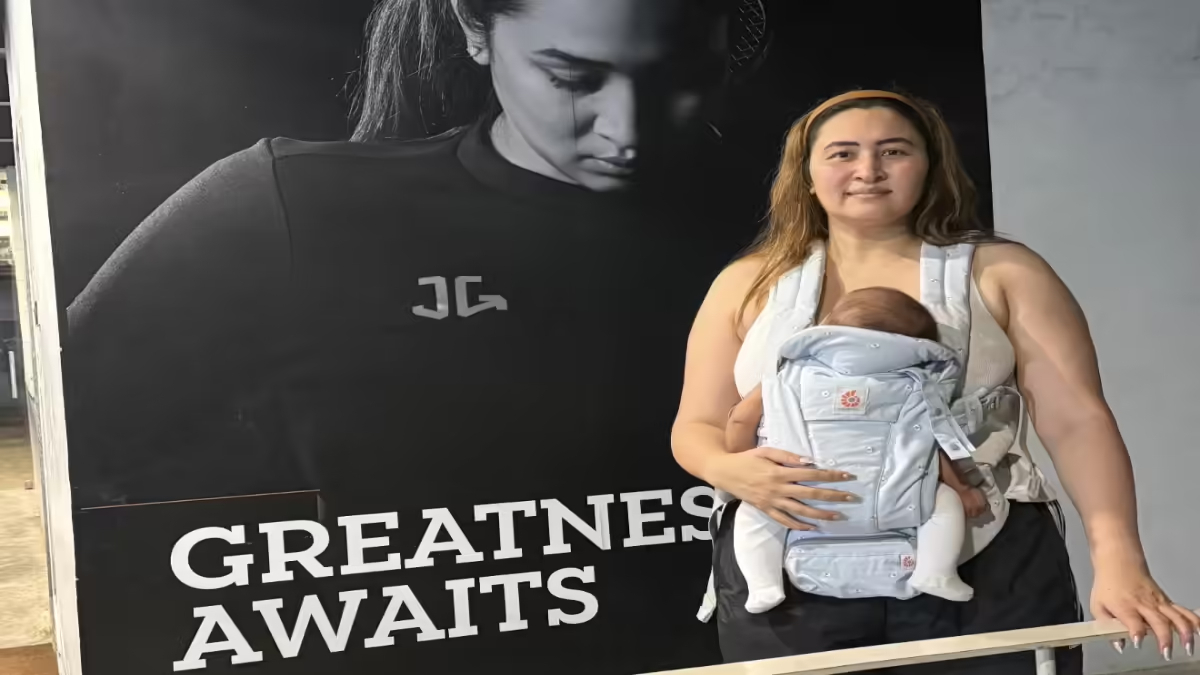
May 15, 2026 — Indian badminton ace Jwala Gutta has always been known for her fierce spirit on the court. But today, the Commonwealth Games gold medalist is being hailed for a different kind of victory—one that is happening in the quiet corridors of Neonatal Intensive Care Units (NICUs).
In a revelation that has sparked a nationwide conversation on maternal health and infant survival, Gutta announced that she has donated a staggering 60 litres of breast milk to government hospitals in Hyderabad and Chennai over the past year.
A Journey from Motherhood to Advocacy
Jwala Gutta and her husband, actor Vishnu Vishal, welcomed their daughter, Mira, in April 2025. Like many new mothers, Gutta’s journey was deeply personal, but she chose to turn her postpartum experience into a mission for public good.
What began as a smaller contribution of 14.5 litres through the Amirtham Foundation has now grown into a massive 60-litre milestone. By donating to government-run institutions, Gutta is targeting the most vulnerable segment of society—infants born into families who may not have the resources to seek private medical alternatives.
“Just 100 ml of donor milk can feed a tiny 1 kg baby for several days,” Gutta shared in a poignant post on X (formerly Twitter). “This donation could potentially support dozens of infants in the NICU. It is safe, screened, and desperately needed.”
Why Breast Milk Donation Matters
For premature or critically ill infants, breast milk is more than just food; it is often the difference between life and death. Gutta’s campaign highlights several medical reasons why donor milk is a “vital bridge”:
- Immunity and Nutrition: Breast milk contains antibodies and enzymes that formula cannot replicate, providing a critical shield for babies with underdeveloped immune systems.
- Preventing NEC: One of the most significant benefits is the reduction of Necrotizing Enterocolitis (NEC)—a life-threatening gut condition that primarily affects premature infants.
- A Bridge for Mothers: Many mothers face delayed milk production due to postpartum stress, illness, malnutrition, or the trauma of a premature birth. Donor milk ensures the baby is nourished while the mother recovers.
The Science and Safety of Milk Banks
While the idea of milk donation might be new to some, the process is highly regulated and scientific. Government hospitals in India, particularly in cities like Hyderabad and Chennai, operate Human Milk Banks that follow strict protocols:
| Step | Process |
| Screening | Donor mothers undergo rigorous health checks to rule out infections. |
| Collection | Milk is expressed and stored in hygienic, specialized containers. |
| Pasteurization | The milk is heat-treated to eliminate any potential pathogens while preserving nutrients. |
| Testing | Post-pasteurization samples are tested in labs before being cleared for use. |
Breaking the Taboo
Despite India having one of the highest rates of preterm births globally, awareness surrounding milk donation remains low. Gutta’s public stance is a significant step toward normalizing a topic that is often shrouded in cultural hesitation.
Social media response to the athlete’s announcement has been overwhelmingly positive. One user noted, “You probably do not even realize how many families you helped through the most fragile moments of their lives.” However, Gutta also addressed the apprehensions some might feel, urging society to look at the clinical and humanitarian necessity of the act rather than the stigma.
How You Can Help
Jwala Gutta’s 60-litre contribution is a call to action for other healthy, lactating mothers. India’s milk banks are often understocked, leaving many NICU doctors with no choice but to rely on formula, which can be harder for a premature baby to digest.
If you are a lactating mother and wish to donate:
- Contact Local Authorities: Reach out to government hospitals in your city (e.g., Niloufer Hospital in Hyderabad or ICH Egmore in Chennai).
- Verify NGOs: Connect with registered organizations like the Amirtham Foundation that facilitate safe pickup and delivery.
- Spread the Word: Even if you cannot donate, raising awareness about the safety and importance of milk banks can save lives.
A Lasting Legacy
Jwala Gutta’s transition from a badminton champion to a “milk donation ambassador” proves that influence is most powerful when used to protect those who cannot speak for themselves. By providing 60 litres of “liquid gold,” she hasn’t just donated milk—she has given dozens of infants a fighting chance at a healthy life.
As she aptly put it, “One mother’s donation can give another baby a better chance at survival.” In the world of sports, medals are the ultimate goal; in the world of motherhood and humanity, Gutta has just set a new gold standard.