

New Delhi, May 19, 2026: A series of dramatic videos has taken social media by storm, capturing the attention of millions worldwide. The footage depicts lines of Iranian women clad in full military gear, methodically handling, loading, and firing AK-47 assault rifles. Set against rugged, warlike backdrops, many of these videos feature the women looking directly into the camera and repeating a highly stylized phrase: “Habibi, come to Iran.”
As these clips rack up millions of views across platforms like TikTok, X (formerly Twitter), and Instagram, they have sparked intense global speculation. Many internet users are asking: Is Iran preparing its female population for an imminent war? Are civilian women being forced onto the front lines of the escalating Middle East conflict?
An investigation into the origin and context of these viral videos reveals a complex mix of state-sponsored propaganda, deep-fake technology, and a highly coordinated psychological operation.
1. Deconstructing the “Habibi, Come to Iran” Videos
The most widely circulated clips feature young, heavily armed women operating in tactical formations. The videos are polished, featuring high-definition cinematic lighting and rhythmic, dramatic background music.
Digital forensic experts and disinformation researchers have raised immediate red flags regarding the authenticity of these specific “Habibi” clips.
- The AI Signature: A closer analysis of the videos reveals classic signs of artificial intelligence generation and advanced digital manipulation. Subtle inconsistencies in the way the firearms behave, unnatural facial expressions during rapid movement, and perfectly uniform environments suggest that many of these clips are highly coordinated, AI-scripted fabrications designed to go viral.
- The Psychological Play: The juxtaposition of a popular internet meme phrase (“Habibi, come to Iran”) with deadly military weaponry is a deliberate tactic. Analysts suggest the videos are engineered to project a domestic image of total national mobilization, using Western social media trends to amplify a message of defiance and military readiness.
2. The Reality: State TV and Civilian Weapons Training
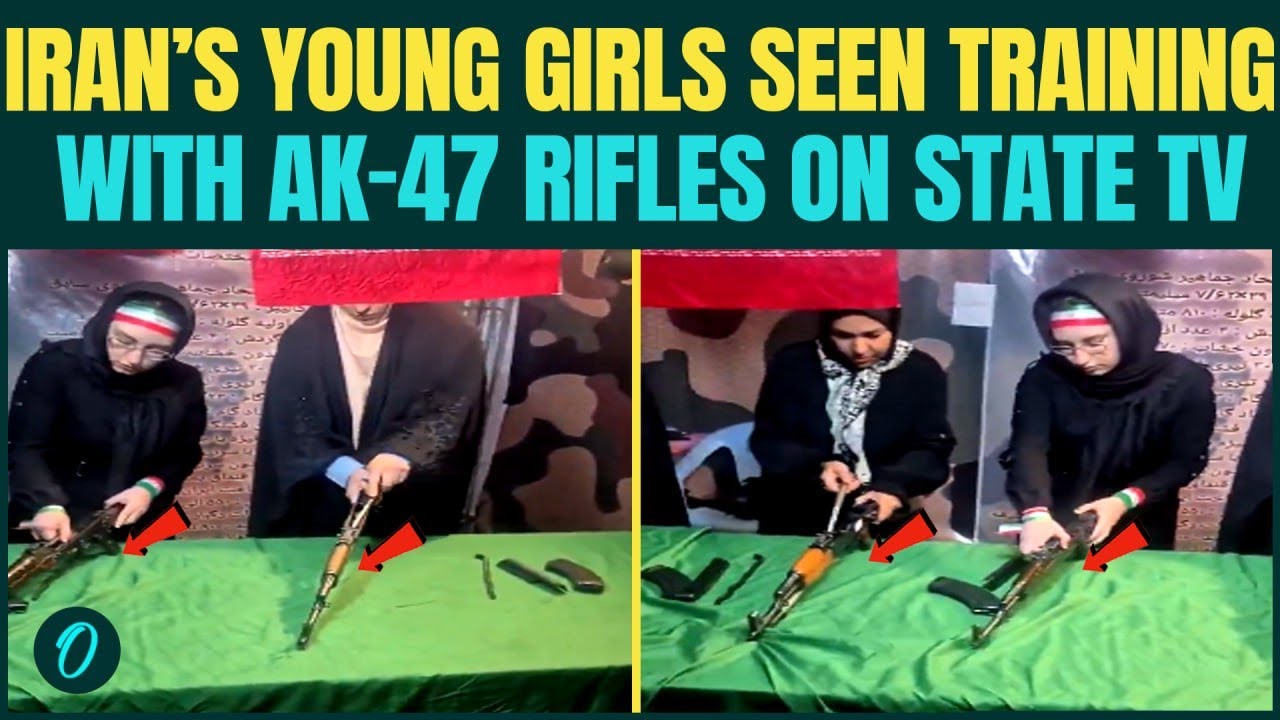
While the viral “Habibi” clips bear the hallmarks of digital manipulation, they are riding the coattails of a very real, verified trend occurring inside Iran.
Amidst soaring geopolitical tensions in the region, Iranian state television has radically shifted its programming. In shocking broadcasts that have alarmed international security agencies, state-run channels have begun airing live, daytime instructional segments on how to operate military-grade weaponry.
+-----------------------------------------------------------------------+
|                       IRAN STATE TV BROADCAST SHIFTS                  |
+-----------------------------------------------------------------------+
| • Instructors linked to the Islamic Revolutionary Guard Corps (IRGC)  |
|   demonstrate live firearm assembly and handling.                      |
| • TV presenters—including civilian women—handle and fire AK-47s on air.|
| • Programming recently expanded to teach the use of heavier combat    |
|   weapons, such as the PK machine gun.                                |
+-----------------------------------------------------------------------+
In these state-sanctioned broadcasts, female television hosts and civilian guests are shown standing in studios or indoor ranges, receiving step-by-step instructions from members of the Islamic Revolutionary Guard Corps (IRGC). The presenters explicitly state on camera that they are learning these skills to “join the fight” and protect the homeland if necessary.
Therefore, while the social media trend relies on AI and exaggeration, it reflects a genuine, state-driven effort by Tehran to normalize civilian weapons training—particularly among women.
3. The Paradox of the Iranian Woman
The sudden influx of imagery showing armed, state-aligned Iranian women presents a stark and jarring paradox to global observers. For years, the international community has viewed the struggle of Iranian women through the lens of the “Woman, Life, Freedom” movement, which erupted following the tragic death of Mahsa Amini.
   ┌─────────────────────────────────────────────────────────────┐
   │                  THE DUALITY OF THE NARRATIVE               │
   └──────────────────────────────┬──────────────────────────────┘
                                  │
         ┌────────────────────────┴────────────────────────┐
         ▼                                                 ▼
【 State-Sanctioned Combatants 】             【 Grassroots Resistance 】
Women utilized by the regime for            Civilian women fighting against
nationalist propaganda and paramilitary      forced hijab laws, domestic crackdowns,
readiness via the Basij militia.            and institutional restrictions.
The Iranian government has a long history of utilizing women in its paramilitary wings, specifically the female Basij militia. These women are intensely loyal to the theological regime, strictly enforce Islamic dress codes, and undergo genuine weapons training.
By flooding the internet with videos of combat-ready women, the Iranian state attempts to counter the global narrative that Iranian women are universally opposed to the regime. It is a calculated effort to project internal unity, using women as symbols of national defense rather than domestic resistance.
4. Geopolitical Undercurrents
The timing of these viral videos and state TV broadcasts is entirely tethered to the explosive geopolitical environment of 2026. With ongoing brinkmanship, direct military exchanges, and severe regional instability, the weaponization of media is at an all-time high.
For the Iranian leadership, promoting the image of an armed and mobilized populace serves two distinct
While Iranian women are not currently deployed in active combat units, the regime’s decision to broadcast live weapons training to women and civilians on national television marks a chilling escalation in its preparation for regional conflict. The viral TikToks may be largely fake, but the underlying drive toward militarization is undeniably real.