
 and the Bench (judges) as the "two indispensable wheels of the chariot of justice")
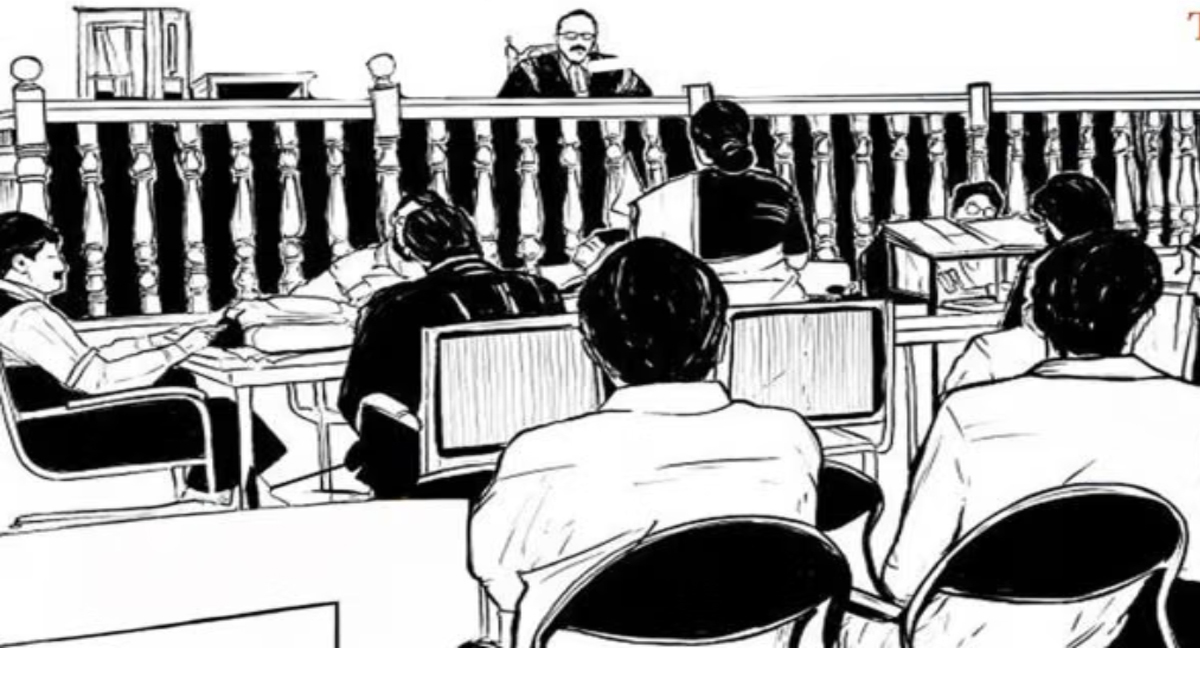
New Delhi, May 21, 2026: The timeless legal metaphor describing the Bar (lawyers) and the Bench (judges) as the “two indispensable wheels of the chariot of justice” is facing an unprecedented structural strain. What used to be highly isolated, behind-closed-doors friction between hot-headed advocates and strict judicial officers has now turned into a public spectator sport. Driven by live-streaming, mobile phone recordings, and algorithm-fueled social media platforms, the escalating public warfare between judges and lawyers is triggering a profound crisis of institutional credibility.
The depth of this strain was highlighted by the Supreme Court of India, which observed that a frictionless relationship between the Bar and the Bench is non-negotiable for delivering justice to litigants. The top court noted that the actions of one inevitably dictate the efficacy of the other, warning that “if one pillar loses its footing, the other cannot stand tall.” Yet, despite these noble warnings from the apex court, real-world events show a widening systemic fault line.
Flashpoint at Rohini: A Case Study in Public Fallout
The dangerous reality of this friction came to a head following a major clash at the Rohini District Courts in Delhi. A fierce verbal altercation broke out inside a courtroom between an Additional Sessions Judge and the President of the Rohini Court Bar Association. The flashpoint? A simple, routine courtroom request for a “passover” (asking to pause or delay a hearing temporarily to accommodate a lawyer’s schedule) was denied by the presiding judge.
The exchange quickly escalated from a procedural disagreement into an intense slanging match. The attorney accused the judicial officer of using derogatory, unprofessional language, while the judge aggressively challenged the lawyer, daring him to use his higher-court connections.
In previous decades, an incident like this might have been resolved by senior members of the legal community before evening recess. In today’s digital climate, the entire breakdown was recorded and instantly uploaded across social media platforms.
The institutional response to the viral fallout was swift, disruptive, and polarized:
-
Mass Abstention from Work: Outraged by the footage, the Coordination Committee of All District Court Bar Associations in Delhi ordered a complete shutdown of judicial work across all district courts, leaving thousands of ordinary litigants stranded.
-
Emergency Judicial Transfer: Stepping in to diffuse the chaos, the Delhi High Court administrative wing stripped the judge of his judicial duties and attached him to the Delhi Judicial Academy.
-
Counter-Protest by Judicial Associations: Defending the Bench, the Delhi Judicial Service Association (DJSA) released a sharp condemnation, labeling unauthorized courtroom recordings a “direct assault on the dignity, independence, and majesty of the judicial institution” intended to intimidate judges via public vilification.
The “Viral” Effect: Justice as a Spectator Sport
While the legal fraternity argues over who holds the moral high ground, legal experts are sounding the alarm on how social media fundamentally alters courtroom dynamics.
With the expansion of digital transparency, public court proceedings are frequently clipped out of context. Content creators routinely strip away complex legal arguments to focus exclusively on heated moments, framing justice delivery as reality television.
Restoring Equilibrium to the Chariot
The judiciary cannot operate effectively if its two primary actors view each other as adversaries. Commenting on the delicate balance, the Supreme Court has emphasized that the true essence of judicial authority lies in restraint, noting that a measured reprimand and corrective guidance will always remain a wiser path than raw punitive measures.
If India’s legal system expects to retain the public’s unwavering faith, both wheels of the chariot must urgently recalibrate. This requires judges to practice unparalleled patience and eliminate intemperate language from the bench. Concurrently, Bar leaders must enforce strict codes of professional civility, ensuring that the necessary passion of advocacy never degrades into the theater of institutional disrespect.
You can observe a breakdown of how these verbal altercations unfold in real time in this Rohini Courtroom Incident Video Analysis, which highlights the specific arguments between the Bar President and the district judge that triggered the city-wide legal strikes.