

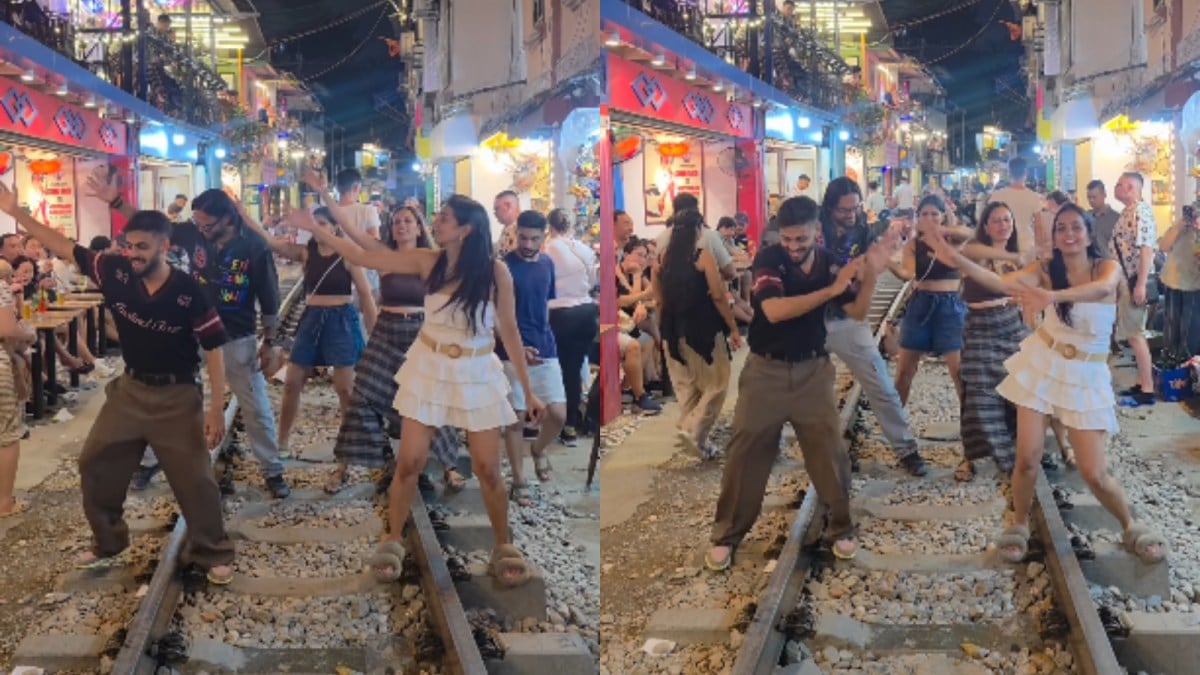
New Delhi, June 1, 2026: A viral video showing a group of Indian tourists dancing on Vietnam’s iconic Hanoi Train Street has ignited a massive debate across social media. The incident has left netizens divided, with many raising tough questions about tourist etiquette, public safety, and the modern obsession with creating “reels” everywhere across the globe.
The video was originally shared on Instagram by Shweta Jain, the founder of a Mumbai-based jewelry brand, during a holiday with her close friends. In the clip, the group can be seen breaking into a synchronized dance routine on the active railway tracks of Hanoi Train Street. They chose the classic Bollywood track Chaiyya Chaiyya—a song famously filmed on top of a moving train in India. The video featured an overlay text that read, “If you’ve visited Vietnam’s Train Street but didn’t do Chaiyya Chaiyya, did you really visit Train Street at all?” with a caption reading “Filmy heart, global streets.”
Hanoi Train Street is globally renowned as a highly photogenic but potentially hazardous location. It is a narrow residential corridor where a functional train line passes inches away from local houses, doorsteps, and cafes. Because of the extreme safety risks of overcrowding on active tracks, Vietnamese authorities have repeatedly enforced strict regulations and temporary closures. Visitors are strictly expected to stay alert, respect local guidelines, and clear the tracks entirely when a train approaches.
While the creators likely intended the dance routine as harmless, light-hearted vacation fun, its rapid spread across social media platforms like X (formerly Twitter) triggered severe backlash. Critics heavily reprimanded the group for what they called “main character syndrome”—a term describing people who treat shared, public spaces as their personal stages for digital content production. Many commentators argued that turning an active public infrastructure site into a makeshift Bollywood set is disrespectful to the local culture and disrupts other travelers trying to peacefully enjoy the historic landmark.
Furthermore, the video struck a sensitive nerve within the Indian digital community. Scores of users expressed extreme frustration, stating that such behavior reinforces negative stereotypes about Indian travelers abroad. Critics noted that hard-working, respectful expats often have to deal with the fallout of casual racism or increased visa scrutiny when localized instances of disruptive tourism make international headlines. Commenters pleaded with fellow citizens to exhibit greater “civic sense” when representing their country on international soil.
Interestingly, this incident unfolded just twenty-four hours after another controversial clip involving Indian travelers in Vietnam made rounds online. In that separate video, a large tour group was spotted performing an impromptu Garba (a traditional Gujarati folk dance) in a circular formation right on an airport tarmac next to a parked VietJet Air aircraft. The back-to-back incidents fueled an overarching internet inquiry: “Why do we feel the need to dance everywhere?”
However, the online response was not entirely critical. A notable segment of social media users rose to defend the holidaymakers, questioning the severity of the internet’s outrage. Supporters pointed out that dance is a deeply ingrained form of joyful expression in Indian culture. They argued that foreign tourists frequently organize flash mobs or artistic performances in public spaces globally without facing systemic cultural condemnation, asking why Indian travelers should be uniquely judged for celebrating their vacation with music.
Ultimately, the Hanoi Train Street controversy highlights a growing, global tension in modern tourism. As social media platforms continue to incentivize short-form video creation, the line between authentically experiencing a new culture and performing for a digital audience has become increasingly blurred. The viral debate serves as a stark reminder for travelers worldwide to strike a balance between personal enjoyment and respecting local safety laws and cultural norms.