

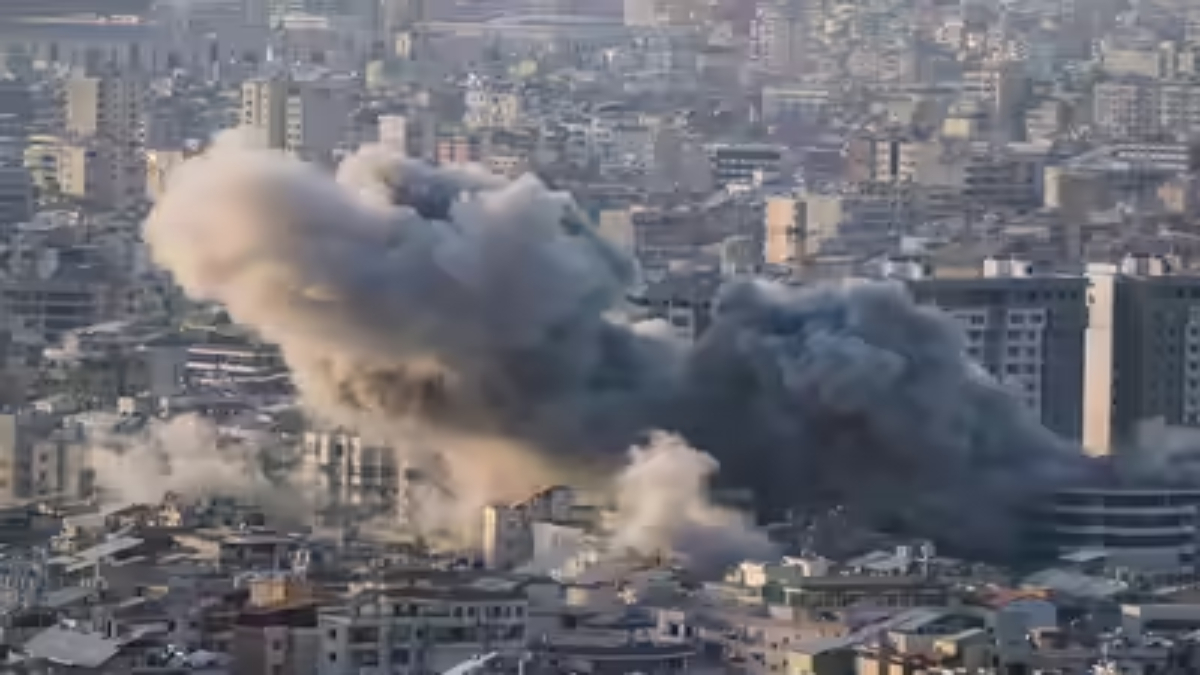
New Delhi, June 3, 2026 — The conflict in West Asia has escalated sharply after a wave of hostile Iranian drones and missiles directly struck Kuwait International Airport early Wednesday morning. The targeted strike hit Terminal 1 (T1), causing severe structural damage and wounding several people. In immediate response, Kuwaiti aviation authorities suspended all commercial flights and initiated emergency protocols. This major incident marks a dangerous new chapter in the rapidly deteriorating security situation across the region.
The Strike on Terminal 1
According to the Kuwait Ministry of Defense, a fleet of hostile drones penetrated local airspace and targeted the airport’s main passenger facilities. Brigadier General Saud Abdulaziz Al-Otaibi, official spokesperson for the Ministry of Defense, condemned the incident as an act of “criminal Iranian aggression”. He confirmed that the explosive impacts tore through parts of the T1 building, leaving behind significant material wreckage and injuring an unspecified number of individuals inside the terminal.
Social media video footage quickly emerged from the scene, showing smoke rising into the sky and burning debris in the airport parking lots. Emergency services and medical teams rushed to the site to treat the wounded, all of whom have since been moved to nearby hospitals to receive necessary medical care.
Total Flight Suspension and Emergency Plans
Following the impact, the Kuwait Public Authority for Civil Aviation (PACA) immediately activated its high-level security contingency plan. Spokesman Abdullah Al-Rajhi announced via the state news agency (KUNA) that all incoming and outgoing commercial flights have been grounded until further notice to protect passengers and airport workers.
Airplanes already en route to Kuwait City were abruptly diverted to alternate airports in neighbouring countries. Specialized technical teams are currently on-site assessing the structural integrity of the terminal building before any cleanup or repair work can officially begin. While the airport remains dark, Kuwaiti military officials stated they are in a state of complete readiness to handle further threats.
A Night of Heavy Exchange
The direct hit on the airport follows hours of heavy military exchanges between the United States, its regional allies, and Iran. Late Tuesday night, United States Central Command (CENTCOM) reported tracking a massive volley of ballistic missiles and drones launched by Iran toward its neighbors.
While that initial wave failed to hit its intended marks, it triggered immediate retaliatory action. The US military launched heavy “self-defense” airstrikes on an Iranian military facility located on Qeshm Island in the Strait of Hormuz. Despite these American attempts to suppress Iran’s launch capabilities, a secondary wave of Iranian drones successfully slipped through, culminating in the devastating early-morning strike on Kuwait’s civilian passenger terminal.
Furthermore, CENTCOM firmly denied separate claims made by Iran’s Islamic Revolutionary Guard Corps (IRGC) stating that they had successfully hit the headquarters of the U.S. Navy’s Fifth Fleet in Bahrain, labeling those claims as propaganda.
Global and Regional Fallout
The attack on a major international civilian aviation hub has sent shockwaves through global markets and sparked severe political condemnation.
The Arab Parliament also issued a swift statement strongly condemning the strike. Meanwhile, international energy markets reacted instantly to the flares of hostility. Global crude oil prices jumped sharply as energy traders grew deeply concerned about potential supply chain chokepoints, particularly given the proximity of the conflict to the highly strategic Strait of Hormuz.
With regional diplomatic ceasefire talks hitting a complete standstill, experts fear this direct strike on Kuwait will push the international community into a broader, more unpredictable war. Allied forces in the region have upgraded their defense postures to maximum alert as the world watches to see how Kuwait and its international partners choose to respond to this unprecedented aggression.