

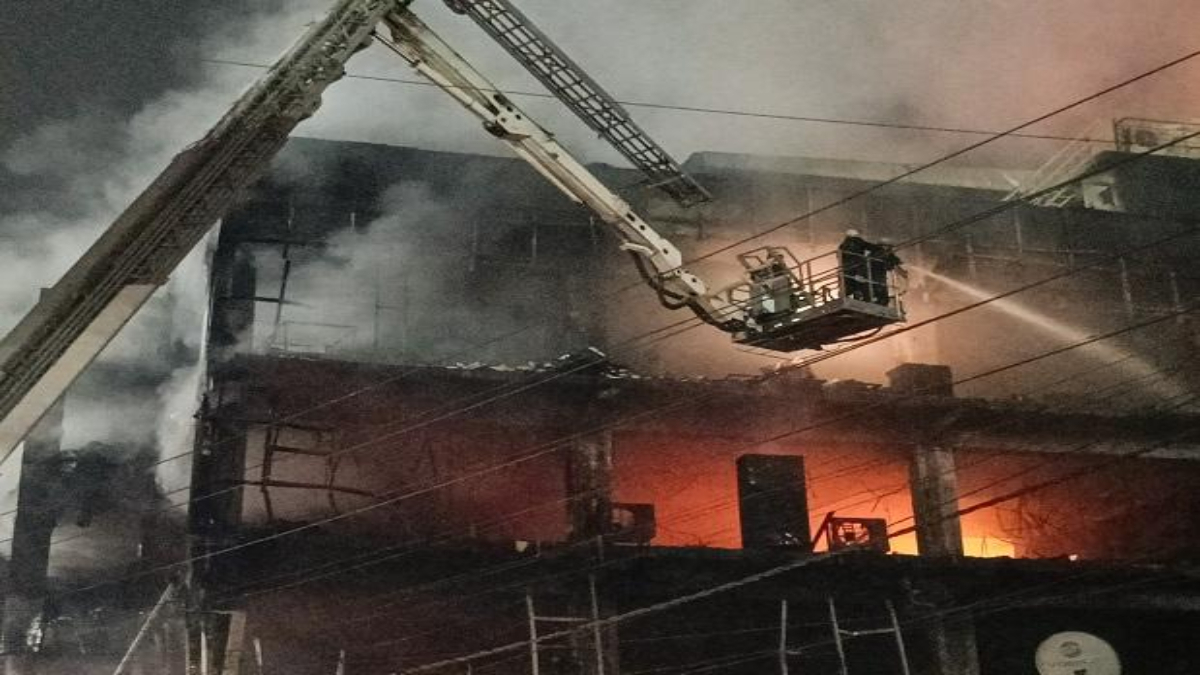
New Delhi, June 3, 2026: A devastating blaze that ripped through a commercial-cum-residential complex has left more than 20 people dead, including several foreign nationals, sending shockwaves through the local community and triggering a massive political and administrative fallout. The disaster, which began late in the evening, quickly escalated into one of the worst urban fire tragedies the capital has seen in recent years. As families mourn their sudden losses, Prime Minister Narendra Modi expressed deep grief over the incident and announced an ex-gratia compensation of ₹2 lakh each for the next of kin of the deceased.
The fire is believed to have broken out around 10:30 PM, a time when many residents were winding down for the day and labor units inside the complex were finishing their late-night shifts. Within minutes, what started as a localized spark transformed into a raging inferno, fed by highly flammable materials stored illegally within the building’s lower floors.
Midnight Chaos and the Race Against Time
The first distress calls flooded the fire control room just before 10:45 PM. Eyewitnesses reported seeing thick, toxic black smoke billowing from the ground floor, which housed a mix of small-scale manufacturing units and illegal warehouses. Because the building was located deep inside a congested neighborhood characterized by narrow, twisting alleyways, the initial response teams faced an uphill battle before they even reached the scene.
More than 25 fire tenders were eventually deployed to the site. Firefighters struggled to navigate the water tankers through streets choked by parked vehicles and overhead hanging wires. By the time the first hoses were trained on the flames, the fire had already climbed the central staircase—acting like a chimney and trapping dozens of people on the upper residential floors.
The Human Toll and International Impact
As emergency crews finally breached the building using hydraulic cutters and smoke-filtration masks, they were met with scenes of devastation. A total of 22 bodies have been recovered so far, with several others rushed to nearby government hospitals with severe burn injuries and smoke inhalation.
Among the victims were several foreign nationals, reportedly students and young professionals renting apartments on the topmost floors. Local authorities have contacted respective embassies to coordinate the identification process and manage the repatriation of the remains.
Medical authorities at the apex trauma center confirmed that the majority of the casualties were not caused by direct burns, but by asphyxiation (suffocation from inhaling toxic smoke). Carbon monoxide and hydrogen cyanide gases, produced by burning plastics and synthetic fabrics in the warehouses below, filled the unventilated residential spaces within less than five minutes, knocking victims unconscious before they could find an exit.
Government Response and Relief Announcements
The scale of the tragedy prompted immediate reactions from the highest levels of government. Expressing his profound condolences to the grieving families, Prime Minister Narendra Modi took to social media to announce immediate financial relief.
In a public statement, the Prime Minister’s Office noted.
The Investigation: A Familiar Story of Systemic Negligence
While local police have filed a First Information Report (FIR) charging the building owners with culpable homicide not amounting to murder, a preliminary structural and safety audit has already revealed a laundry list of severe violations. Investigators from the Fire Services department point to three critical factors that turned a routine electrical fire into a mass casualty event:
- Absence of a Fire NOC: The building did not possess a valid Fire No-Objection Certificate (NOC). It was registered strictly for residential use but was being utilized commercially for high-risk manufacturing.
- Blocked Emergency Exits: The structure had only one narrow staircase. The designated emergency exit door on the rear side had been permanently locked and converted into extra storage space for a clothing distributor.
- Zero Firefighting Infrastructure: None of the floors were equipped with functional smoke alarms, overhead sprinklers, or basic fire extinguishers.
The civic body has suspended two local inspectors for failing to report the illegal commercial operations running in the residential zone, but community leaders argue that administrative action after the fact is not enough.
Moving Forward: The Urgent Need for Urban Renewal
This latest tragedy serves as a grim reminder of the ticking time bombs hidden inside dense, unregulated urban spaces across major metros. When commercial greed bypasses municipal bylaws, it is innocent residents and under-equipped emergency workers who pay the ultimate price.
As the smoke clears and the neighborhood begins the painful process of burying its dead, the focus must shift from temporary financial compensation to permanent structural reform. Experts argue that until the city enforces strict, zero-tolerance sealing drives against buildings operating without fire safety compliance, “tragedies by negligence” will continue to disrupt lives and devastate families.