

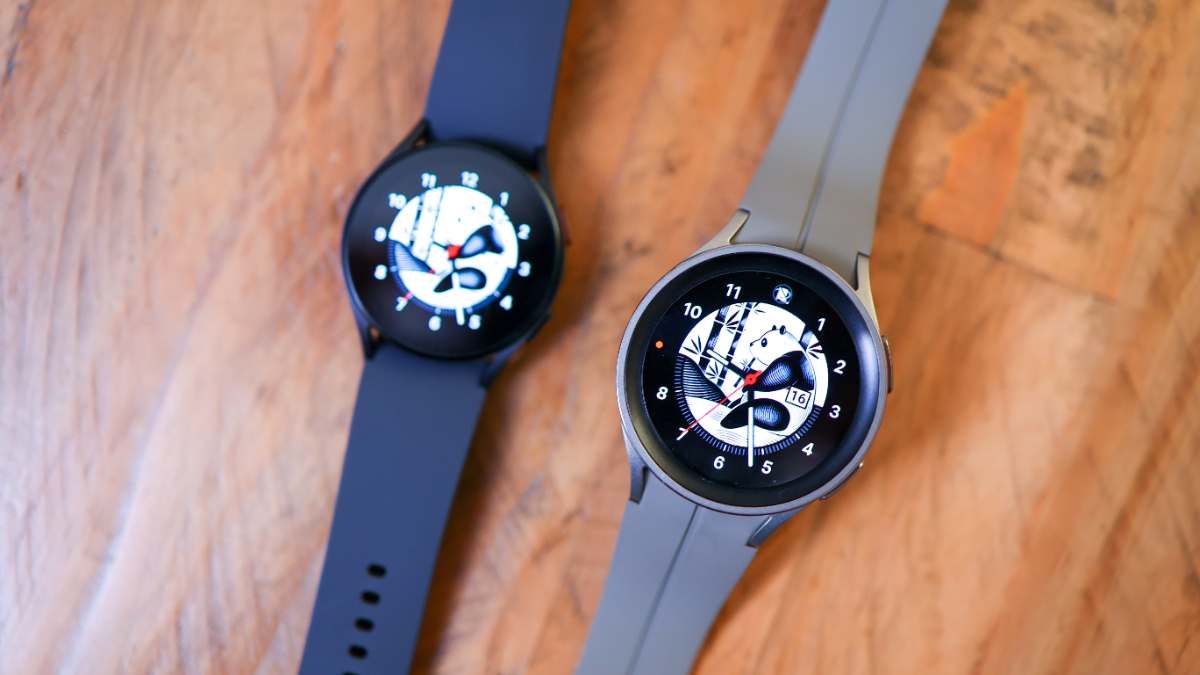
New Delhi, June 4, 2026: — Samsung Electronics has officially announced a massive leap forward for its wearable ecosystem, introducing a suite of next-generation, AI-driven health and wellness features for the Galaxy Watch lineup. By combining advanced on-device artificial intelligence with its cutting-edge sensor technology, Samsung aims to shift the role of the smartwatch from a passive fitness tracker into a proactive, highly personalized digital health companion.
The integration of artificial intelligence into consumer wearables represents a paradigm shift in preventative medicine. Rather than simply collecting raw data—like step counts or baseline heart rates—Samsung’s updated ecosystem utilizes sophisticated machine learning algorithms to interpret complex biological signals, providing users with context-aware, actionable insights into their daily physical states.
The Power of the Upgraded BioActive Sensor
At the core of these new capabilities is an enhanced version of Samsung’s proprietary BioActive Sensor. In consumer smartwatches, optical sensors traditionally utilize photoplethysmography (PPG)—a technique where light beams illuminate the skin and photodiodes measure changes in blood volume to calculate heart rate and vital signs.
Samsung’s latest hardware refinement optimizes this process by improving the signal-to-noise ratio during skin contact. This design modification helps prevent minor physical movements or subcutaneous pressure changes from skewing optical readings. The result is a highly stable, continuous stream of biometric data that serves as the perfect foundation for advanced machine learning models to analyze.
Introducing “Energy Score” and “Wellness Tips”
The standout software feature driven by this new AI architecture is the Energy Score. Designed to help users understand their daily physical readiness, the Energy Score aggregates a variety of distinct health indicators into a single, easy-to-read metric.
Rather than looking at data points in isolation, the AI comprehensively analyzes:
- Sleep Metrics: Deep sleep duration, sleep latency, and consistency.
- Activity Breakdown: Previous-day physical exertion and movement patterns.
- Autonomic Signals: Heart Rate Variability (HRV), which measures the micro-fluctuations between consecutive heartbeats to evaluate autonomic nervous system balance and physiological stress.
Complementing the Energy Score is the new Wellness Tips engine. Powered by generative AI models, this system goes beyond basic data delivery to provide custom motivational guidance and specific recommendations based on the user’s explicit goals. If a user’s Energy Score is low due to poor sleep quality, the companion app won’t just report the deficit; it will offer tailored advice—such as modifying evening hydration, altering activity intensity, or practicing guided mindfulness techniques—to help safely regulate the body’s recovery systems.
Deepening Sleep Insights and Preventive Monitoring
Recognizing that proper recovery is vital to chronic disease management and overall well-being, Samsung has significantly upgraded its sleep analytics. Home-based sleep monitoring via wearables balances accessibility and affordability, acting as a crucial bridge between consumer tracking and formal clinical assessment.
The updated AI algorithms screen for severe structural sleep disruptions by identifying abnormal variations in blood oxygen saturation ($SpO_2$) and heart rate during rest. Additionally, the on-device intelligence can model ordinal transitions between different sleep phases, allowing the watch to flag consistent anomalies in sleep architecture that might warrant further professional consultation.
Pioneering Metabolic Tracking: The AGEs Index
In a major technical milestone, Samsung has introduced an experimental Advanced Glycation End-products (AGEs) Index tracking feature within its premium hardware offerings, including the Galaxy Watch7 and Galaxy Watch Ultra. AGEs are complex biological biomarkers that accumulate in body tissues over time, heavily influenced by an individual’s overall lifestyle, metabolic health, and dietary patterns.
The Galaxy Watch estimates these levels noninvasively by leveraging Skin Autofluorescence (SAF) detection technology via its optical sensor array. While traditional clinical instruments require rigid physical environments and extended exposure times to safely evaluate SAF, Samsung’s integrated mobile strategy allows for rapid, contact-based tracking directly from the wrist.
While Samsung notes that this metric is currently optimized for long-term health trend tracking rather than clinical diagnostics, it gives users an unprecedented visual window into their systemic metabolic health and biological aging processes.
Intelligent Fitness Coaching and Personal Safety
For physical fitness enthusiasts, the integrated AI brings a highly adaptive approach to workout optimization. The on-device intelligence can dynamically map a wide variety of daily movements and high-intensity physical activities onto a structured, five-level intensity framework.
By deploying lightweight, ultra-efficient machine learning models directly onto the local smartwatch hardware, inference latency is reduced to under a millisecond. This rapid processing power allows the watch to instantly differentiate between normal, high-intensity exercise and abrupt, emergency-like erratic movements—significantly enhancing the reliability and responsiveness of automatic fall detection systems.
Also Read: UGC NET June 2026: City Slip by June 10, Admit Card by June 15
Empowering User-Driven Preventive Care
With these updates, Samsung is executing a clear vision: transforming the smartwatch from an interesting smartphone accessory into an indispensable pillar of consumer healthcare technology. By empowering individuals to seamlessly collect, track, and interpret their own complex biological trends, these advanced features pave the way for true preventive, personalized daily wellness management.
The newly announced Galaxy AI capabilities will be progressively rolled out via software updates, debuting alongside Samsung’s newest hardware releases later this year.