

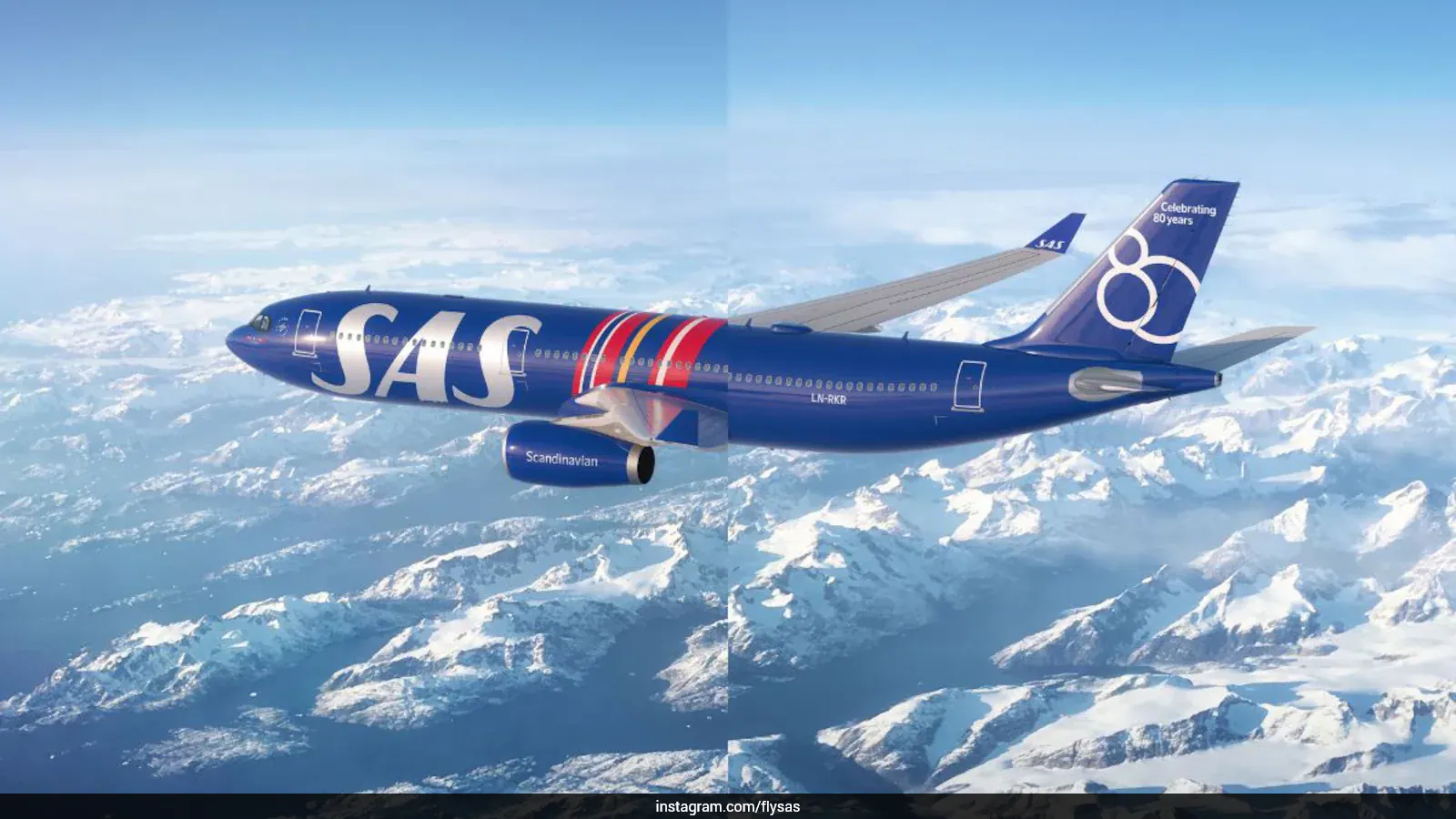
New Delhi, June 4, 2026: What was supposed to be a historic, water-cannon-salute welcome at Mumbai’s Chhatrapati Shivaji Maharaj International Airport quickly dissolved into regulatory confusion. On June 2, 2026, Scandinavian Airlines (SAS) attempted to officially kick off its grand return to the Indian market after a 17-year absence. Instead, flight SK969 from Copenhagen to Mumbai executed a dramatic mid-air U-turn over Azerbaijan, flying its frustrated passengers right back to where they started.
The structural failure of the launch highlights the incredibly precise coordination required between international carriers and local aviation watchdogs. In this case, SAS assumed it could sort out final regulatory paperwork while the aircraft was already cruising over Europe. India’s Directorate General of Civil Aviation (DGCA) had other plans.
Chronology of a Failed Inaugural Flight
The tension began before the Airbus A330-300 even left the ground in Denmark. Flight SK969 pushed back from Copenhagen International Airport roughly four and a half hours behind schedule. Despite the delay, the mood remained optimistic. SAS had been coordinating this direct route connection for months, viewing it as a crown jewel in its newly restructured long-haul network under the SkyTeam alliance banner.
The aircraft took off, flying southeast for about four hours. But as the plane cruised into Azerbaijani airspace, the flight crew received a jarring instruction from Air Traffic Control back in Copenhagen: turn around immediately.
At that exact moment, ground crews at Mumbai airport were putting the final touches on a massive celebration. Emergency vehicles were positioned on the tarmac, ready to shower the widebody jet with a celebratory water cannon salute. It wasn’t until hours later that the local airport authorities received word that the history-making flight was retreating back to Europe. Ultimately, passengers endured a grueling 12-hour “flight to nowhere,” landing safely back in Copenhagen with nothing to show for it but lost travel days and immense frustration.
The Gamble on “En-Route” Approvals
In the aftermath of the turnback, SAS was transparent about what went wrong. The breakdown wasn’t a mechanical glitch, a sudden weather cell, or a medical emergency. It was a pure documentation gap.
The carrier released a statement clarifying that it believed the final written authorization from Indian authorities would drop while the flight was already in the air.
Operating an international flight into domestic airspace requires strict, written, absolute final clearance from the host nation’s civil aviation authority—in this case, India’s DGCA. Because that digital “green light” never came through as the plane drew closer to the South Asian sub-continent, the airline had no choice but to retreat to avoid violating international airspace laws. When reached for comment, neither the DGCA nor India’s Ministry of Civil Aviation offered an official response regarding why the approval stalled.
The Financial and Passenger Fallout
While a mid-air turnaround is a massive logistical headache for operations teams, it represents an immediate financial blow to the carrier and a travel nightmare for the individuals on board.
Aviation experts suggest the total combined cost of this single aborted long-haul journey could easily eclipse half a million dollars for the airline.
Looking Forward: Why Mumbai Matters to SAS
Despite this deeply embarrassing administrative setback, SAS cannot afford to abandon the route. The airline walked away from the Indian market back in 2009 due to complex restructuring and poor long-haul economics at the time. However, the global aviation landscape of 2026 looks vastly different. India is now one of the absolute fastest-growing commercial aviation markets on earth.
Furthermore, this Copenhagen-to-Mumbai link is a highly strategic choice. It is a direct route that no other carrier currently operates, positioning Copenhagen Airport to become a primary transit gateway connecting Northern Europe and North America to Western India.
SAS corporate teams are reportedly working around the clock to iron out the bureaucratic remaining wrinkles with Indian authorities. The airline has stated it remains fully prepared to activate the route as soon as the definitive paperwork is signed, confidently projecting that flights will successfully take off within a matter of days. For the hundreds of passengers holding tickets for subsequent flights later in the week, however, the immediate mood is one of anxious waiting as they watch flight trackers to see if the next scheduled aircraft actually gets to finish its journey.