

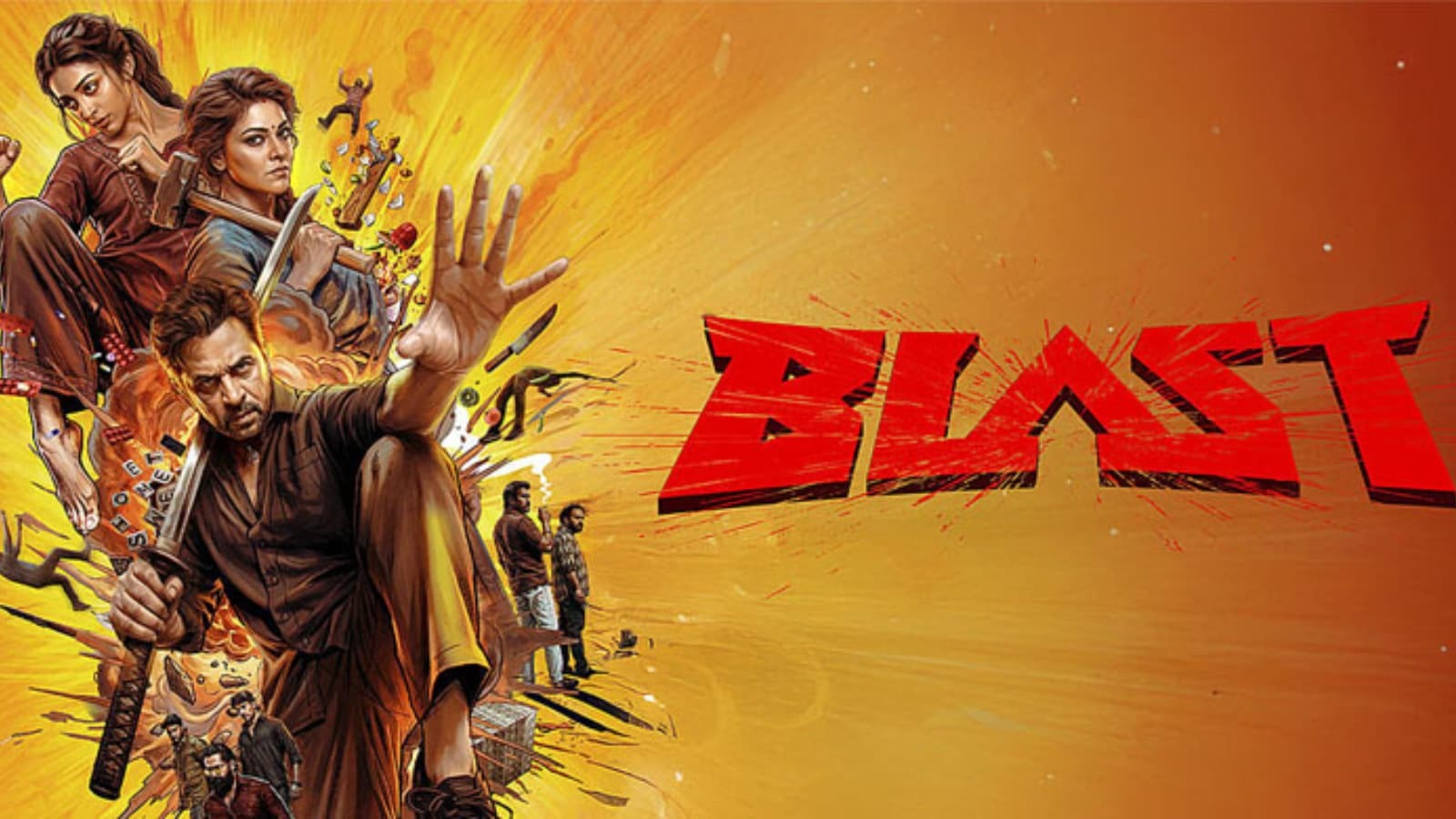
New Delhi, June 4, 2026: For decades, Hollywood and international cinema have operated under a simple, unspoken rule: if you want to grab the audience’s attention, blow something up. From the practical miniatures of the 1980s to the sweeping, city-leveling digital chaos of the 2010s, explosive spectacles have been the backbone of the global box office. However, as we move through the mid-2020s, a fascinating shift is happening in entertainment journalism and audience reviews. Viewers are no longer satisfied with mindless pyrotechnics. Today, a truly successful action movie requires a delicate balance of sensory overload, narrative stakes, and physical realism.
When critics sit down to review a modern action film, they look past the surface-level smoke and mirrors. They look for what industry insiders call “the anatomy of momentum”—how a film uses pacing, sound, and consequence to turn a standard explosion into a jaw-dropping cinematic moment.
The Death of Generic CGI: Why Audiences Demand “Real” Impact
For a few years, movie reviews were plagued by a common complaint: “CGI fatigue.” Audiences grew weary of watching entire cities crumble into weightless, grey computer-generated dust. When everything on screen is created by a software rendering farm, nothing feels dangerous.
The films that receive rave reviews today are those that aggressively return to practical effects, or at least seamlessly blend them with digital wizardry. When a director chooses to detonate a real vehicle on a closed highway, the camera captures things a computer still struggles to perfectly replicate:
- The shockwave: The way the air visibly ripples around the heat source.
- The debris: Irregular, unpredictable shrapnel that cuts through the frame.
- The actors’ reactions: True, unsimulated adrenaline as performers react to real heat and thunderous sound.
Reviewers heavily penalize movies that rely on “floaty” digital physics. If a protagonist escapes a massive explosion with pristine hair and a perfectly clean jacket, the illusion is shattered. Modern cinematic success belongs to the gritty, the textured, and the bruised.
Pacing and the “Action Fatigue” Trap
A major pitfall in action cinema—often highlighted in critical reviews—is the pacing of set pieces. If a movie starts at a level ten intensity and stays there for two hours, the audience eventually numbs out. A continuous stream of gunfire, car chases, and explosions loses its impact without structural contrast.
Great action directors structure their films like a musical composition. They utilize quiet, tense moments of anticipation to build pressure before the eventual release. A standard five-minute suspenseful sequence where characters are hiding in absolute silence can make a subsequent, sudden explosion feel ten times more impactful than an hour-long battlefield sequence. Reviewers praise films that understand this ebb and flow, highlighting scriptwriting that allows characters—and the audience—a chance to breathe.
Sound Design: The Unsung Hero of the Box Office
When analyzing what makes an action movie truly memorable, critics almost always point to the audio department. In fact, standard theater goers often misattribute great sound design to great visual effects.
An explosion on screen is just a flash of light without the right auditory framework. Exceptional sound design avoids the generic “boom” sample. Instead, layers of sound are meticulously engineered:
- The initial snap: The sharp, metallic crack of an ignition.
- The low-end rumble: A deep frequency that physically shakes the theater seats, mimicking a real atmospheric drop.
- The aftermath: The cascading rain of shattered glass, twisted metal, and shifting gravel.
Furthermore, top-tier films know when to use the “silence trick”—muting all audio immediately following a massive blast to simulate the temporary hearing loss or shell-shock of the protagonist. It’s an immersive storytelling device that bridges the gap between the screen and the viewer’s physical senses.
High Stakes: Why We Need to Care Who is in the Blast Radius
Ultimately, the most expensive practical stunt or the most earth-shattering sound mix means nothing if the audience isn’t emotionally invested in the characters running for their lives. This is the ultimate differentiator in film reviews.
A low-budget thriller with an excellent script, where a mother is trying to rescue her child from a collapsing building, will almost always score higher with critics than a $200 million superhero movie where nameless CGI armies clash in an empty desert. The stakes must feel personal. When a character we love is placed in harm’s way, every near-miss generates genuine tension. If the characters feel invincible, the danger feels hollow.
The Future of High-Octane Cinema
As distribution models continue to evolve between traditional theatrical releases and premium streaming platforms, the pressure on action cinema has never been higher. To convince an audience to leave the comfort of their living rooms, a film has to promise an experience that cannot be replicated on a smartphone or a standard television setup.
The “blast factor” is no longer just about scale; it is about precision, artistic vision, and visceral execution. Whether it is an indie darling utilizing clever camera tricks or a massive studio venture pushing the boundaries of practical engineering, the movies that stand the test of time are the ones that treat action not as a distraction from the story, but as the story itself.
As critics and fans look ahead to the next wave of releases, the standard remains clear: give us spectacle, but give us soul.