

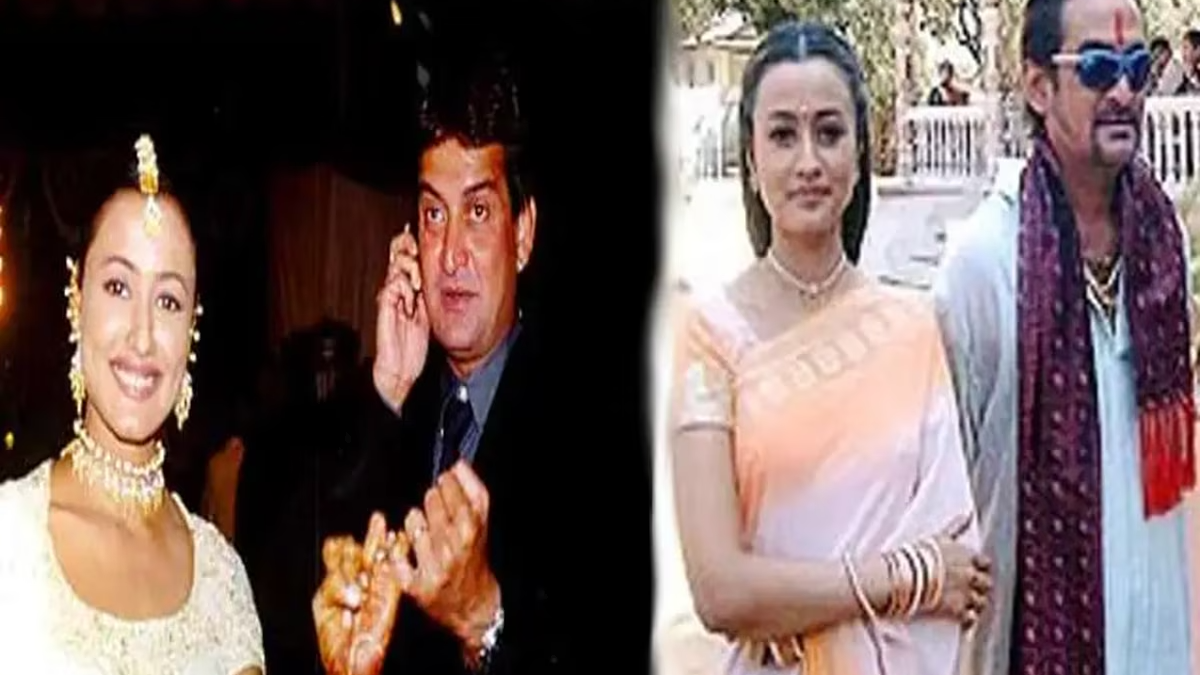
New Delhi, June 5, 2026: In the late 1990s and early 2000s, Hindi cinema was undergoing a massive shift. Audiences were moving away from over-the-top, formulas-driven blockbusters and craving something raw, authentic, and gritty. At the center of this transition stood Namrata Shirodkar, a former Miss India turned actor, and Mahesh Manjrekar, a visionary director known for his uncompromising storytelling style. Together, they formed a creative partnership that defined a generation of cult classic cinema.
Decades after stepping away from the camera, Shirodkar frequently reflects on her acting career with extreme fondness, specifically highlighting Manjrekar as the filmmaker who knew exactly how to unlock her true potential. According to her, his unique approach to direction brought out the absolute best in her as an artist.
The Evolution of an Actor
Before breaking into Bollywood, Shirodkar was highly celebrated as a fashion model, winning the Miss India crown in 1993. Transitioning from the high-glam world of pageantry to the intense demands of dramatic acting is a hurdle many struggle to cross. Early in her career, she faced the typical industry boxes, often being cast primarily for her elegance and charm.
However, her trajectory changed permanently when she crossed paths with Manjrekar. He didn’t view her through the standard lens of a glamorous leading lady. Instead, he recognized a deep-seated vulnerability and strength that other directors had overlooked.
Crafting a Masterpiece: The Vaastav Phenomenon
The pinnacle of their collaboration came in 1999 with the release of the groundbreaking crime-drama Vaastav: The Reality. The film, which marked Manjrekar’s Bollywood directorial debut, offered a brutal, unvarnished look into the underbelly of the Mumbai underworld. While Sanjay Dutt delivered a career-defining performance as the tragic gangster Raghu, it was Shirodkar’s performance that provided the film with its grounded, emotional anchor.
In Vaastav, Shirodkar played Sonia, a woman forced into prostitution who eventually marries Raghu. It was a complex, morally layered character that required immense nuance. Manjrekar’s hands-off yet deeply supportive directing style allowed her to shed all inhibitions. The performance was so powerful that legendary actress Jaya Bachchan famously remarked that Shirodkar genuinely deserved a National Award for her portrayal.
For Shirodkar, the magic lay in Manjrekar’s faith in his cast. He didn’t believe in rigid micromanagement. Instead, he set up the emotional perimeter of a scene and allowed his actors the freedom to feel their way through it. This trust created a safe space for her to dive into dark, challenging emotional territories without fear of failure.
Breaking Barriers in Astitva and Beyond
Following the massive commercial and critical triumph of Vaastav, the duo continued to challenge standard cinematic norms. In 2000, they collaborated again on Astitva, a hard-hitting film that explored complex themes of marital infidelity, female agency, and societal double standards.
Even when working in multi-starrers or brief roles under his guidance, Shirodkar felt a sense of artistic fulfillment that was hard to replicate elsewhere. She loved the lack of pretension on his sets. Manjrekar was a filmmaker who prioritized the truth of a moment over glossy aesthetics, encouraging a gritty realism that forced everyone on set to elevate their craft.
The intense creative synergy between the two inevitably triggered the rumor mills of the early 2000s gossip press, with tabloids framing them as an inseparable director-heroine duo. Addressing those old rumors, Shirodkar noted that while they only made a few films together, the industry’s loud assumptions occasionally backfired, making other filmmakers falsely assume she was exclusive to his projects or entirely inaccessible.
A Lasting Legacy
Ultimately, Shirodkar chose a path that prioritized her personal life over a relentless chase for cinematic stardom. Following her marriage to Telugu superstar Mahesh Babu, she made a conscious, deeply personal decision to step away from the acting world completely to focus on her family, children, and extensive philanthropic ventures. Today, she successfully spearheads major healthcare, education, and child welfare initiatives through the Mahesh Babu Foundation.
Though she has firmly closed the door on returning to the silver screen, her body of work remains incredibly well-regarded by film enthusiasts. The movies she created alongside Manjrekar continue to stand as beautiful examples of what happens when a director completely trusts an actor’s instincts. It is a timely reminder that great cinema isn’t just built on massive budgets or sparkling visual effects—it is forged in the quiet, absolute creative trust between a director and their actor.