

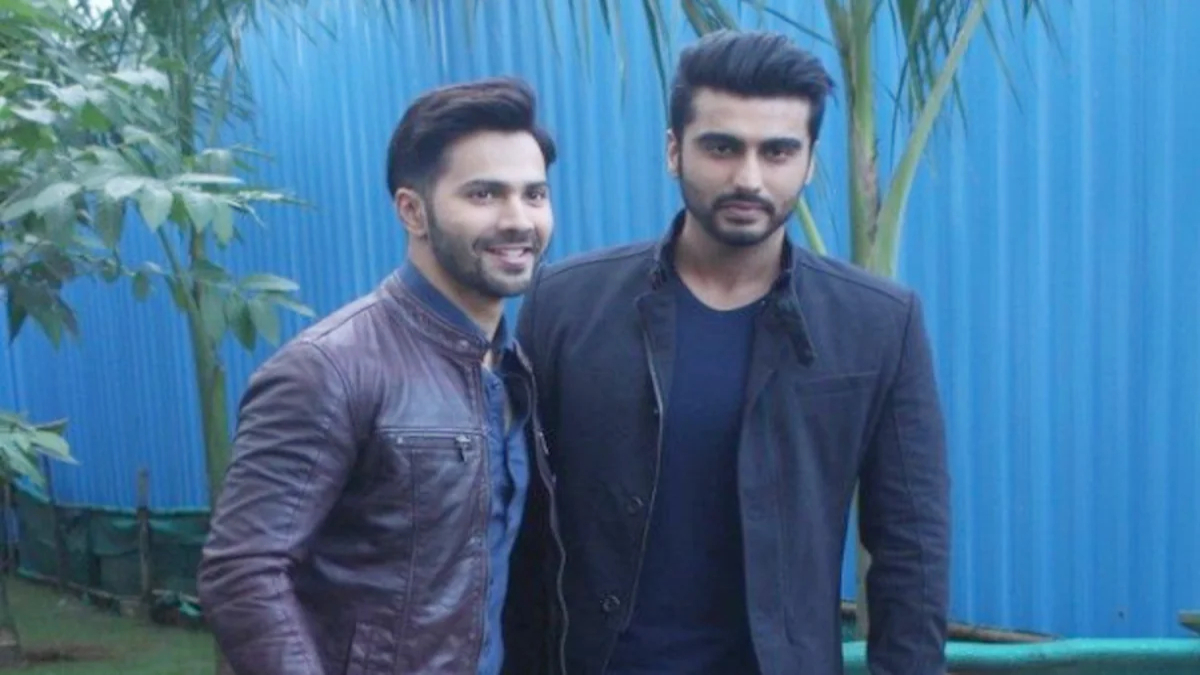
New Delhi, June 10, 2026 — In the fast-paced, hyper-connected world of modern Bollywood, internet trolling has transformed from an occasional nuisance into an everyday job hazard. While some celebrities choose to retreat from the digital noise or issue fiery legal notices, actor Varun Dhawan has chosen an entirely different path: laughing it off, turning a profit, and lightheartedly pulling his close friends into the crosshairs.
During a recent appearance on comedian and content creator Tanmay Bhat’s popular YouTube reaction series, Varun addressed one of the internet’s most viral obsessions of recent months: the infamous “crooked smile” meme. Rather than showing any frustration, the actor revealed the bizarre truth behind the viral image, opening up about the economics of internet hate and offering a hilarious perspective on his relationship with fellow actor Arjun Kapoor.
The Anatomy of an AI Fake
The controversy kicked off earlier this year during the high-octane promotional campaign for Varun’s war drama Border 2. A heavily shared meme began dominating platforms like X (formerly Twitter), Instagram, and Reddit. The image featured Varun dressed in full Indian Army military attire, sporting an awkwardly exaggerated, rigid, and crooked smile. Internet users quickly turned the photo into a weapon, using it to mock his acting expression and question his suitability for a gritty, serious patriotic film.
When confronted with the image during Tanmay Bhat’s Zoom reaction session, Varun couldn’t help but laugh out loud before immediately setting the record straight. He pointed out that the picture wasn’t even authentic.
By breaking down the components of the image—a face lifted from his 2015 dance film ABCD 2 superimposed onto an entirely different body—Varun casually demystified the piece of digital misinformation that had kept the internet entertained for weeks.
‘When It Hit Me, Arjun Was Overjoyed’
Beyond debunking the technical origins of the meme, Varun provided an inside look into how the Bollywood fraternity handles the relentless wave of public scrutiny. In a landscape where public favor is volatile, he joked that stars often breathe a sigh of relief when the internet’s negative focus shifts away from them and onto a colleague.
“In 2026, there is no human today that does not get trolled,” Varun remarked, speaking casually about the inevitability of online backlash. “We all wait, thinking that if someone else gets trolled more than me today, they will take the focus away. So, when the attention came down heavily on me, Arjun [Kapoor] got incredibly happy!”
The witty dig at Arjun Kapoor was rooted in a deep, long-standing real-life friendship, but it also carried a layer of dark Bollywood irony. Arjun Kapoor spent the entirety of 2025 being relentlessly targeted by social media users over resurfaced old video clips, movie choices, and his personal life—to the point where peers and fans had expressed genuine concern over his mental well-being. Varun’s humorous remark highlighted a unspoken survival strategy in modern Bollywood: when the internet finds a new target, the previous target finally gets to rest.
Monetizing the Hate: How Trolling Brought New Opportunities
What makes Varun’s approach to online negativity unique is his uncanny ability to transform digital mockery into commercial success. Instead of shying away from the internet or hiding his face, he chose to double down on the humor. He revealed that the viral traction of the “crooked smile” meme actually caught the attention of corporate brands looking to tap into pop culture trends.
“I got three brand ad campaigns right after that trolling went viral,” Varun revealed with a grin.
This financial silver lining is indicative of a broader shift in marketing strategies, where self-aware celebrities leverage their own memes to secure lucrative brand endorsements. By embracing the joke rather than fighting it, Varun effectively flipped the script on his detractors, converting internet snark into corporate revenue.
Balancing Box Office Pressure and Internet Clutter
This lighthearted media appearance comes at a crucial structural moment for Varun Dhawan. He was recently seen on the silver screen in the romantic comedy Hai Jawani Toh Ishq Hona Hai, directed by his father, veteran filmmaker David Dhawan. Co-starring Mrunal Thakur and Pooja Hegde, the film was designed to bring back the classic, nostalgic 90s-style Bollywood comedy. However, contemporary audiences have been tough to please; the film opened to mixed reviews and has struggled significantly at the box office, crawling to a modest ₹36 crore net collection within its first five days.
With a major release like Border 2 on the horizon and family ventures facing erratic box office climates, Varun maintains that keeping your head down and ignoring digital background noise is the only way forward for a modern movie star.
Reflecting on his philosophy during a previous promotional stop, Varun had noted: “I believe you should shut out the noise and let your work do the talking. All these things keep happening, and they don’t really matter. I don’t work for that. What I work for will be known on Fridays. Eventually, I trust the film; it is simply important to make a good movie.”
Ultimately, Varun Dhawan’s reaction to his viral AI clone highlights a healthy blueprint for handling the modern internet. By identifying the image as a complete deepfake, refusing to take the insults personally, cracking jokes at his best friend’s expense, and laughing all the way to the bank with new brand deals, the actor proved that the best way to defeat internet trolls is simply to out-laugh them.