

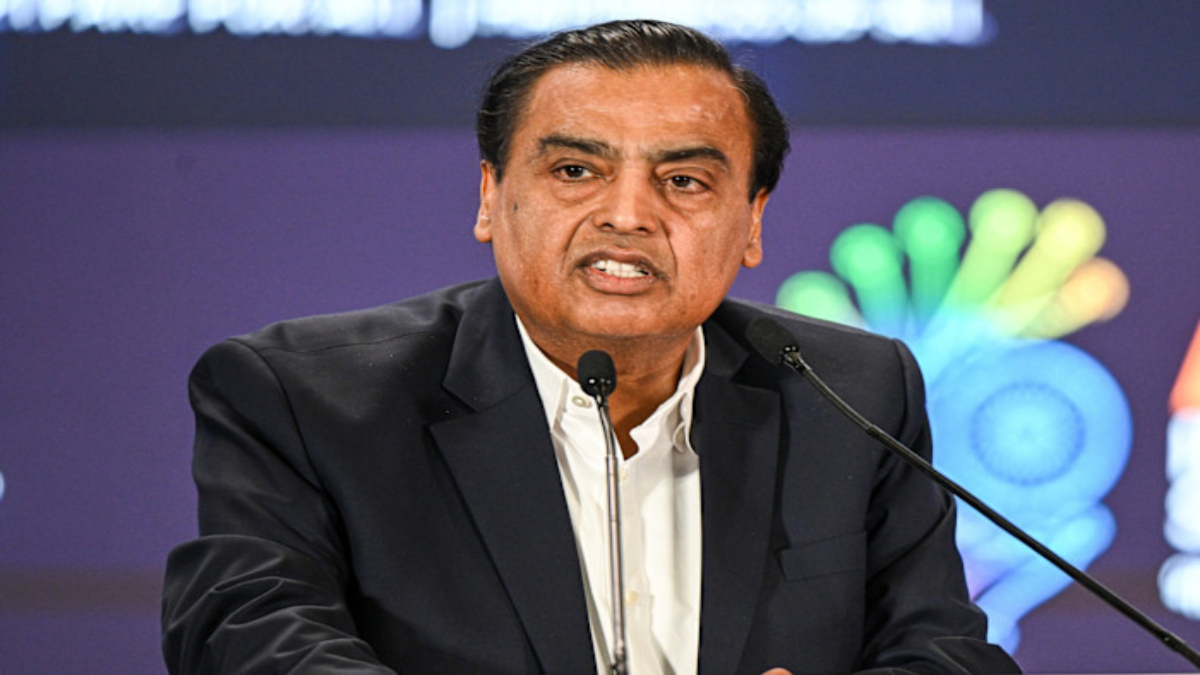
New Delhi, June 17, 2026 — India’s primary capital markets are on the verge of a historic awakening. Billionaire Mukesh Ambani’s telecom and digital giant, Reliance Jio Infocomm, is reportedly preparing to fire the starting gun on its long-awaited initial public offering (IPO). According to people familiar with the matter, the company could file its Draft Red Herring Prospectus (DRHP) with the Securities and Exchange Board of India (SEBI) within days.
The timing is highly strategic, aimed right before Ambani’s marquee annual speech to shareholders at the Reliance Industries Limited (RIL) Annual General Meeting (AGM) scheduled for Friday, June 19, 2026. This blockbuster listing is being closely watched not just because of its scale, but because it could single-handedly reverse a devastating dry spell in what was once one of the world’s hottest IPO pipelines.
Breaking the Listing Drought
For the past several months, India’s IPO landscape has felt like a ghost town. The absolute volume of mainboard listings has plummeted significantly compared to the record-breaking years of 2024 and 2025. This sudden stagnation was triggered by an unexpected cocktail of macroeconomic pressures. Chief among them is the intense geopolitical conflict in the Middle East involving the U.S., Israel, and Iran.
Because India relies heavily on foreign energy—importing nearly 90% of its crude oil—the threat of a wider conflict sent a wave of panic through currency markets and local indices. Global volatility skyrocketed, causing foreign institutional investors to pull out a staggering, record-breaking net $30.7 billion from Indian equities since the start of the year. The benchmark Nifty 50 index slipped roughly 8%, and top-tier listings like Walmart-owned PhonePe were forced to hit the pause button.
Amid this nervous, low-liquidity backdrop, Jio’s imminent multi-billion-dollar filing is being hailed as the ultimate “market opener.” Market analysts believe that a successfully executed mega-IPO of this quality acts like an injection of adrenaline into the secondary markets, restoring both retail and foreign investor confidence and encouraging a massive queue of nearly 250 sidelined companies to step back into the public arena.
The Scale, Structure, and Jaw-Dropping Valuation
If the latest internal details hold true, the Jio IPO will smash existing records to become India’s largest-ever stock market debut.
Key IPO Specifications
- Expected Fundraise: Approximately $4 billion (around ₹37,500 crore).
- Estimated Target Valuation: An astronomical $133 billion to $180 billion (roughly ₹11 lakh crore to ₹15 lakh crore).
- Initial Public Float: Approximately 2.5% equity dilution.
The structure of the IPO marks a major tactical pivot. While early discussions pointed toward a standard Offer for Sale (OFS)—where existing global backers would cash out—Reliance recently restructured the plan into a 100% fresh issue. This shift followed valuation discussions behind closed doors with external stakeholders. By choosing an all-fresh issue, every single rupee raised from public investors will flow directly back into Jio’s balance sheet. This capital will be aggressively deployed to pay down debt, scale up its massive 5G infrastructure, and bankroll its next-generation Artificial Intelligence (AI) and cloud computing frameworks.
A crucial regulatory amendment passed late last year by SEBI has also paved the smoother runway required for a listing of this size. The capital markets regulator adjusted the minimum public float framework, allowing mega-corporations with a post-issue market cap exceeding ₹5 lakh crore to dilute just 2.5% of their equity initially, rather than the traditional 10% mandate. This single rule change made the filing logistically and financially viable for Jio Platforms.
More Than a Telecom Story
When Reliance Jio commercially launched back in 2016, it disrupted the landscape by aggressively dropping data prices and forcing a rapid national shift toward 4G. A decade later, Jio has evolved into an entirely different beast. Having officially crossed the monumental milestone of 500 million subscribers, Jio is no longer evaluated as just a wireless carrier; it is a full-blown digital ecosystem.
The public listing of Jio Platforms will serve as a massive test of how public markets value an integrated tech empire. Jio’s current portfolio covers:
- Massive national 5G rollouts, alongside home internet services like JioFiber and JioAirFiber.
- A deep consumer footprint in digital entertainment, financial payments, and lifestyle apps.
- Heavy investment into localized enterprise cloud systems and cutting-edge AI architecture.
A successful public debut will bring immediate transparency to the true valuation of Reliance’s crown jewel consumer asset. Furthermore, because a public market value will now be pinned directly to Jio, equity analysts widely anticipate a dramatic “re-rating” of the parent entity, Reliance Industries. This comes at a welcome time for RIL, whose stock has dipped roughly 15% this year due to weak refining margins in its legacy oil-to-chemicals business. Existing RIL retail shareholders are also anticipating a dedicated shareholder quota in the upcoming IPO, sweetening the deal for loyal domestic investors.
Looking to the Horizon
While the immediate news has generated immense excitement across Mumbai’s financial hubs, investment banks remain deeply aware that the market has grown far more discerning. Over the past two years, nearly 40% of newly listed Indian stocks delivered negative returns within their first month of trading, creating an atmosphere of caution. Investors are no longer jumping blindly onto speculative growth stories; they want proven profitability and reasonable pricing.
Thankfully, Jio is backed by robust fundamentals, reporting an impressive 14.5% year-on-year climb in annual operational revenue to ₹1,46,885 crore for the fiscal year 2026. This financial health, combined with a parallel mega-filing expected from the National Stock Exchange (NSE) in the exact same week, could mean that the second half of the year will undergo a spectacular rebound.
If Mukesh Ambani confirms the filing timeline during Friday’s highly anticipated AGM address, it will signal to the entire corporate world that India’s premier digital powerhouse is ready for the world stage—and that India’s capital markets are officially open for business once again.