

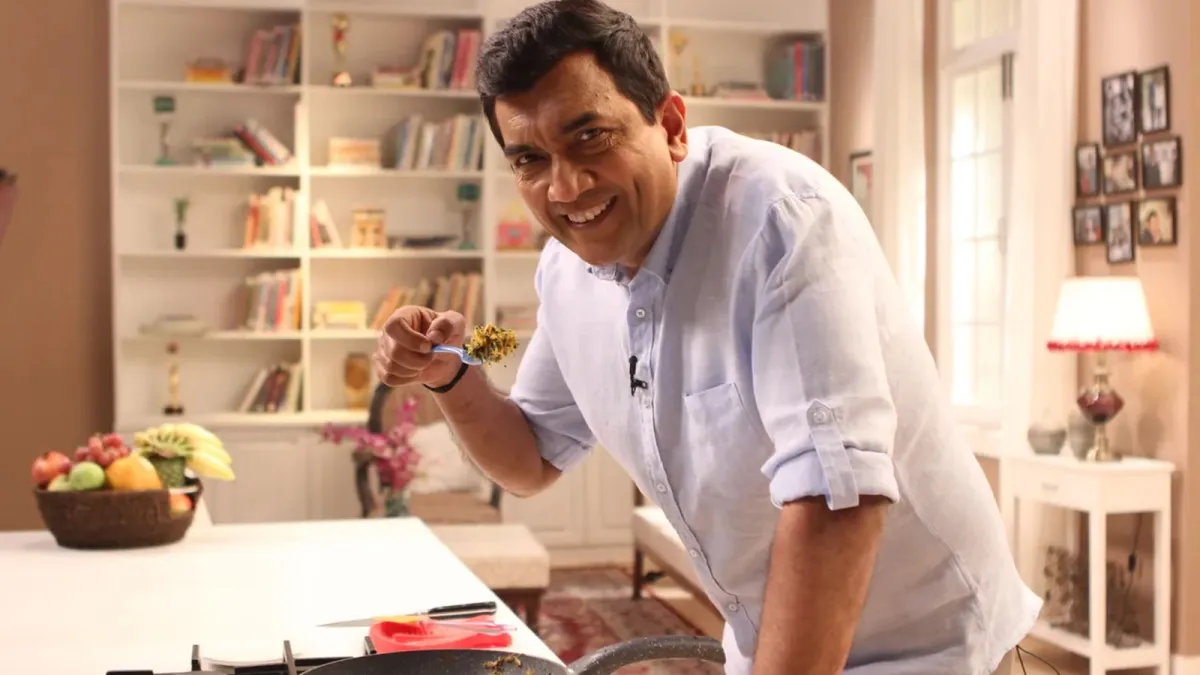
New Delhi, july 1, 2026: For over two decades, the name Sanjeev Kapoor has been synonymous with Indian home cooking. To millions, he is the warm, smiling face behind Khana Khazana, the historic television show that redefined the country’s relationship with food. To the global business community, however, Kapoor represents something entirely different: a brilliant corporate strategist. As one of only seven chefs globally to have a formal business case study written on him by the Harvard Business School (HBS), Kapoor successfully transformed personal celebrity into a multi-tiered corporate empire.
Kapoor’s journey from a professional kitchen to the lecture halls of Harvard offers a masterclass in brand equity, diversification, and scalability. It provides a blueprint for how modern creators can transition from a singular talent into an enduring enterprise.
Phase 1: From Content to Commodity
The foundation of the HBS case study lies in Kapoor’s profound understanding of a fundamental business challenge: monetizing non-scalable talent. A chef can only cook in one kitchen at a time, and a television show’s revenue is fundamentally limited by broadcasting hours and advertising rates. Kapoor recognized early on that he needed to convert his cultural capital—specifically his famous catchphrase “Namak Swad Anusar” (salt to taste)—into scalable physical products.
Instead of merely endorsing external products, Kapoor built his own asset-heavy corporate vehicles. His first major pivot into physical commodities began with a vast library of bestselling cookbooks, followed by ready-to-eat food mixes and specialized ingredients. By embedding his culinary expertise directly into consumer packaged goods (CPG), the “Sanjeev Kapoor” brand could simultaneously enter millions of households without requiring his physical presence. This strategic shift from a media personality to a tangible consumer ecosystem forms the bedrock of his business legacy.
Phase 2: Building the Ecosystem
To sustain a massive consumer brand, an entrepreneur must control the touchpoints of the user experience. Kapoor achieved this by expanding across three core pillars: media, hospitality, and retail technology.
He made history by launching FoodFood TV, making him the first chef globally to own an independent, 24-hour television network dedicated entirely to food. Recognizing the operational power of franchising, he established a global network of restaurants, led by flagship brands like The Yellow Chilli and Signature, which adapted premium Indian dining for international audiences.
However, the crown jewel of his commercial ecosystem is Wonderchef, a premium cookware and kitchen appliances brand launched in partnership with entrepreneur Ravi Saxena. Wonderchef identified a major gap in the Indian market: the transition of the traditional kitchen into a space for modern, design-centric appliances. Driven by direct-to-consumer networks and an army of independent women entrepreneurs executing social selling, Wonderchef’s annual revenues climbed past ₹700 crore, transforming a standard culinary endorsement into an independent retail powerhouse.
Phase 3: The Digital Frontier and Culinary AI
An organization cannot earn a spot in a Harvard curriculum by standing still. As digital disruption shook traditional media, Kapoor rapidly evolved his business model to remain ahead of the curve. He transitioned his massive audience from television screens to digital native platforms. The launch of the Sanjeev Kapoor Academy democratized culinary training, empowering home cooks to build independent businesses directly from their own kitchens.
Furthermore, his ventures have increasingly integrated cutting-edge technology. Through Tiny Chef, a company focusing on culinary Artificial Intelligence (AI) and Machine Learning (ML), Kapoor has positioned his brand inside smart-home ecosystems, allowing users to interact with his recipes via voice-controlled devices. From hosting the world’s first culinary experience inside the metaverse to developing customized algorithmic meal planners, his corporate footprint has kept pace with modern technological shifts.
The Harvard Takeaway: Why the Model Works
The Harvard Business School case study focuses heavily on how Kapoor systematically mitigated risk through intelligent brand licensing and joint ventures. His approach highlights several core strategic principles:
- De-risking through Partnership: Rather than managing logistics, supply chains, or manufacturing independently, Kapoor partnered with seasoned operational specialists. He contributed intellectual property, design direction, and media reach, while his partners managed day-to-day operations.
- Targeting the Household Decision-Maker: Kapoor focused his brand messaging heavily on empowering homemakers. By introducing modern tools and accessible techniques, he transformed cooking from a daily chore into a creative pursuit, building unparalleled brand loyalty.
- The Power of Trust: In a highly fragmented market like India, a trusted face acts as a powerful quality assurance mechanism. The “Sanjeev Kapoor” stamp of approval significantly reduced customer acquisition costs across entirely new product categories.
Today, Chef Sanjeev Kapoor’s culinary ecosystem has generated a net worth estimated at over ₹1,100 crore ($140 million). His trajectory proves that a modern chef’s ultimate creation isn’t a dish served in a restaurant—it is a sustainable, scalable business model designed to outlast its founder.