

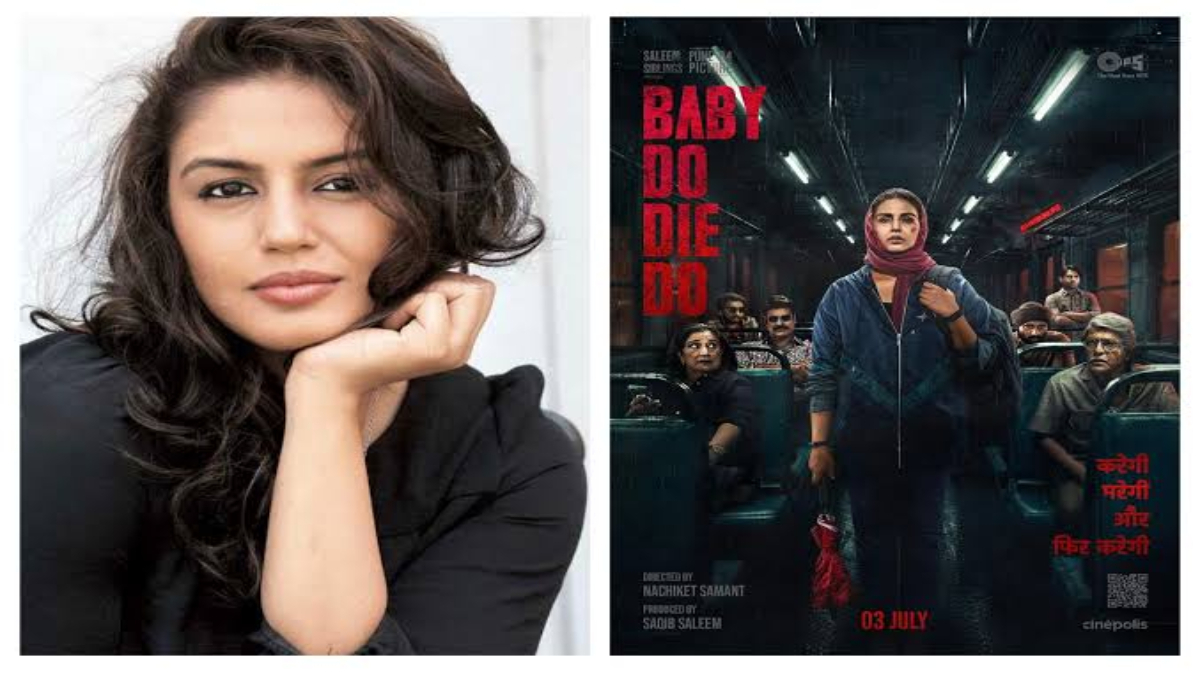
New Delhi, July 3, 2026: Bollywood has long been obsessed with the archetype of the brooding, hyper-masculine lone assassin navigating a gritty urban underbelly. However, director Nachiket Samant’s latest theatrical release completely flips the script. Combining the stylistic flair of South Korean action-thrillers with the unadulterated madness of old-school Indian pulp fiction, the film centers around an unexpected protagonist. Leading this stylish, subversive ride is Huma Qureshi, delivering a career-defining performance that proves women-led action films belong on the biggest screen possible.
Decoding the Madness: What’s in a Name?
For audiences wondering about the film’s eccentric, somewhat clunky title, the explanation is a clever linguistic joke built right into the script. The protagonist is named Baby Karmarkar. If you read her Marathi surname phonetically—Kar, Mar, Kar—it translates directly into English as “Do, Die, Do.” Far from a random moniker, it serves as the operational philosophy for Baby, a woman who genuinely believes she can do the job, risk dying for it, and then wake up to do it all over again.
The narrative introduces Baby as an unusually calm and detached contract killer operating in the rain-slicked, neon-lit warrens of Mumbai. She works under the wing of her eccentric handler and father figure, appropriately nicknamed “Papa” (played with surprising restraint by Chunky Panday). Armed with a lethal weapon hiding in plain sight—a sharp-shooting red umbrella that doubles as a sniper rifle—Baby systematically decimates her targets without uttering a single word.
A Silent Protagonist with Loud Screen Presence
What truly sets this urban-assassin thriller apart is its approach to its lead character: Baby is deaf and mute. Rather than leaning into melodrama or using her physical traits as a tool for audience pity, the screenplay treats her condition as her ultimate tactical edge. Baby communicates entirely through calculated silence, lightning-fast text messages, sharp sign language, and an implacable stare that can freeze seasoned mobsters in their tracks. She hates being labeled as handicapped and consistently proves to be the smartest, most dangerous person in every room she enters.
Because the main character cannot speak, the filmmakers elevate the film’s audio-visual language to a sensory masterclass. Tojo Xavier’s cinematography bathes Mumbai in a gorgeous, gritty “Sion-via-Seoul” aesthetic. The film employs:
- Sin City-Style Treatments: Deep black-and-white flashback sequences to portray childhood trauma.
- Vibrant Comic Book Layouts: Dynamic split-screens that visually translate sign language in real-time.
- Reversed Action Sequences: Shocking CCTV rewinds that unpack hits backward.
The story drops us into Baby’s fractured reality, where her internal driving force is revealed: a deep-seated childhood trauma involving the murder of her twin sister. While her bitter, bed-ridden mother (Mangala Kenkre) constantly throws emotional tantrums at home, accusing Baby of being the “wrong child” who survived, Baby quietly hunts for the mysterious figure responsible for shattering her family.
The Clash of Love, Crime, and Corporate Greed
The plot thickens and builds momentum when Baby is caught in a web of shifting underworld loyalties. A ruthless real estate tycoon named Zafar Katkar (Sikandar Kher) and his brother Lucky (Arun Kushwah) spark a bloody turf war after ordering a hit on a rival shark, Mikky Murjhani (Himanshu Malik). This sudden explosion of corporate violence draws unwelcome heat from a relentlessly corrupt cop, Anjum (Seema Pahwa), and unleashes a horde of quirky supporting characters—including a bizarrely dedicated real estate broker who illegally breaks into crime scenes just to inspect property flats for clients.
Amidst the flying bullets and gory combat sequences choreographed by Vikram Dahiya, the narrative injects an unexpected dose of warmth through an “opposites attract” romance. Baby crosses paths with her soulful neighbor, Siddhu (played with immense sincerity by Rachit Singh). Siddhu is a refreshingly non-toxic, sensitive man who proudly self-identifies as gharelu (domestic).
Their relationship introduces a sweet, almost Chaplin-esque touch to the otherwise dark and violent story. Siddhu falls in love with Baby entirely for who she is, never viewing her disability as an obstacle. However, this domestic bliss creates a massive conflict for her handler, Papa, who grows terrified of losing his absolute best asset to a conventional life. As Baby struggles with the weight of her secrets, wishing to lay down her weapon and simply be human, her final hits begin hitting far too close to home.
A Box Office Statement on Female-Led Cinema
While seasoned buffs of Bollywood revenge dramas might spot the film’s central narrative twist from a mile away, Baby Do Die Do works brilliantly because its execution is far superior to its predictability. At a lean runtime of just over two hours, the editing ensures that the pacing rarely flags, keeping viewers firmly glued to their seats.
The film also takes a few highly publicized, cheeky shots at its box office competition. Produced by Huma Qureshi alongside her brother Saqib Saleem, the film was released on the exact same day as the massive spy-universe action film Alpha. In a hilariously meta-cinematic wink, Saqib Saleem makes a cameo appearance inside a queer nightclub performing an item number playfully titled “Alpha Q”—a direct, rebellious jab at the high-budget competition.
Ultimately, Baby Do Die Do succeeds in doing exactly what a pulpy summer blockbuster should: it thoroughly entertains. It marks a monumental step forward for how disability is represented in mainstream action cinema, trading cheap sympathy cards for pure, unadulterated respect. By keeping the storytelling focused and the technical details polished, Qureshi and Samant have delivered a slick, subversive thriller that stands tall as an absolute must-watch in theaters.