
 Ajit Doval hosted the fifth meeting)
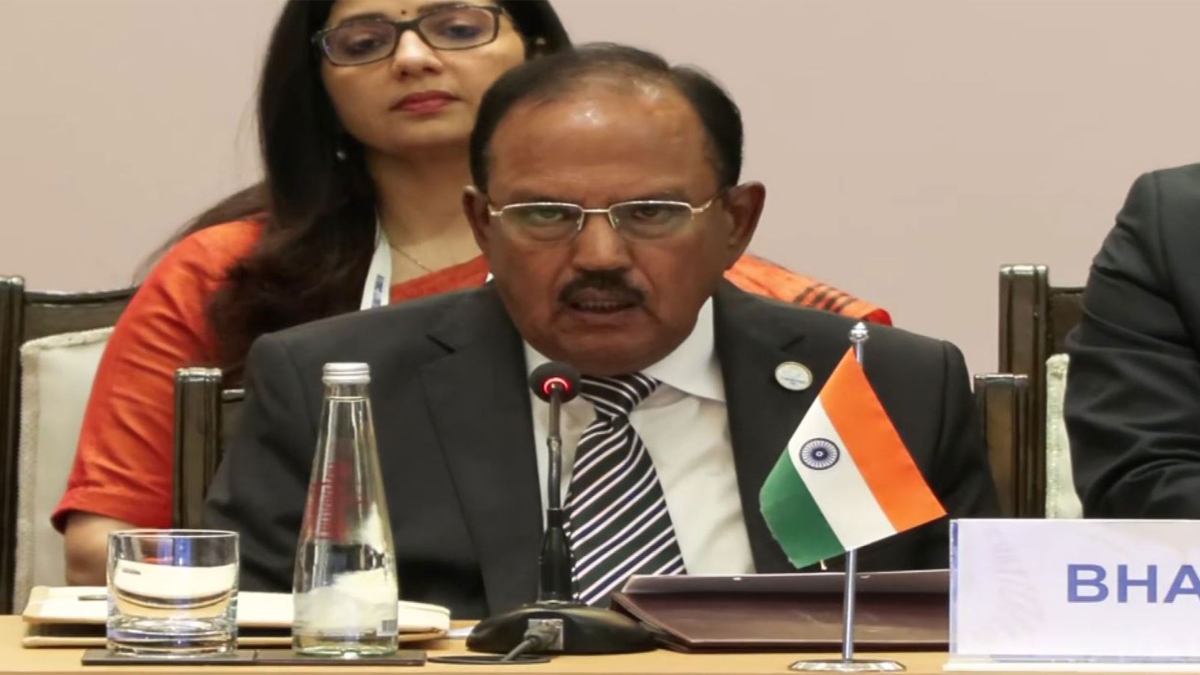
New Delhi, July 16, 2026 — In a major diplomatic effort to boost regional security, India’s National Security Advisor (NSA) Ajit Doval hosted the fifth meeting of the BIMSTEC National Security Chiefs in New Delhi. The high-profile gathering on July 16, 2026, brought together top intelligence and security officials from across the Bay of Bengal region. The meeting focused on tackling complex, modern security issues, ranging from cyber threats and maritime safety to counter-terrorism.
The meeting began with a warm, collaborative atmosphere as NSA Ajit Doval greeted the visiting delegates with handshakes before they gathered for the traditional “family photograph”. This moment stood as a visual testament to the unity of the seven-nation bloc.
A Snapshot of Regional Unity: The Family Photo
The “family photo” has long been a staple of multilateral summits, symbolizing joint commitment and shared goals. For BIMSTEC—the Bay of Bengal Initiative for Multi-Sectoral Technical and Economic Cooperation—the photo captured a critical moment of solidarity during a time of global geopolitical tension.
Standing shoulder-to-shoulder with Mr. Doval in New Delhi were senior security leaders representing the diverse geography of South and Southeast Asia:
- Bangladesh: Dr. Shamsul Islam, Advisor to the Prime Minister of Bangladesh.
- Bhutan: Sonam Wangyel, Home Secretary.
- Myanmar: Tin Aung San, Minister in the President’s Office.
- Nepal: Raj Kumar Shrestha, Home Secretary.
- Sri Lanka: Air Vice Marshal Sampath Thuyacontha, Secretary at the Ministry of Defence.
- Thailand: Chatchai Bangchaud, Secretary General of the National Security Council.
- BIMSTEC Secretariat: Secretary General Indra Mani Pandey.
Before heading into closed-door negotiations, Ajit Doval engaged in bilateral discussions with several of these leaders to review mutual security challenges, lay the groundwork for deeper defense partnerships, and ensure smooth coordination during the main event.
Why BIMSTEC is More Critical Than Ever
In his opening address, NSA Ajit Doval underscored that the Bay of Bengal region is facing a highly complex global landscape. With active international conflicts, shifting alliances, and rapid technological changes, regional cooperation is no longer just a preference—it is an absolute necessity.
To put the strategic weight of this gathering into perspective, the BIMSTEC region connects two of the world’s most dynamic economic zones: South Asia and Southeast Asia.
Key Agendas: Tackling Modern Security Threats
The closed-door discussions covered a wide variety of security issues that cross national borders. The delegates focused heavily on finding practical, actionable solutions rather than just discussing theory.
1. Counter-Terrorism and Transnational Crime
Terrorism and organized crime continue to threaten regional peace. The security chiefs discussed improving intelligence-sharing networks and tightening border controls to stop illicit trade, drug trafficking, and weapon smuggling across shared sea and land borders.
2. Safeguarding the Maritime Domain
Since the Bay of Bengal is a crucial global trade lane, maritime security took center stage. The member states endorsed guiding principles for maritime law enforcement agencies during interactions at sea. These protocols are designed to increase predictability, improve safety, and prevent misunderstandings during naval or coast guard operations.
3. Disaster Management & Humanitarian Relief
The Bay of Bengal is highly prone to severe weather, including cyclones and rising sea levels. To address this vulnerability, the chiefs officially adopted new guidelines for the maritime component of humanitarian assistance and disaster relief (HADR). These rules will allow member states to launch fast, coordinated rescue and relief operations when natural disasters strike.
4. Cybersecurity and Technology Threats
With rapid digitalization comes the threat of cyber warfare, ransomware, and attacks on critical infrastructure. The nations agreed to step up cooperation in building resilient digital walls and sharing critical cyber-threat data.
Aligning with India’s Regional Policy
For India, hosting this security summit is a major step in its proactive foreign policy. NSA Ajit Doval emphasized that BIMSTEC is central to India’s core strategic frameworks:
- Neighbourhood First: Prioritizing peaceful, stable, and prosperous relations with immediate neighbors.
- Act East Policy: Strengthening economic and strategic ties with Southeast Asian nations.
- MAHASAGAR Vision: Standout acronym for Mutual and Holistic Advancement for Security and Growth in the Region, ensuring that India acts as a reliable security partner in the Indian Ocean.
By taking the lead in these security discussions, India continues to position itself as a stabilizing force in the Indo-Pacific region.
Looking Ahead to 30 Years of Cooperation
As BIMSTEC approaches its 30th anniversary next year (2027), the 5th Security Chiefs’ meeting marks a major milestone in turning the group from a purely economic forum into a robust security alliance.
The visual of Ajit Doval shaking hands and standing in unity with regional leaders sends a clear message to the world. While global supply chains face disruptions and geopolitical tensions rise elsewhere, the nations surrounding the Bay of Bengal are choosing cooperation, collective security, and mutual prosperity.